

What Exactly Are Nigella Seeds?
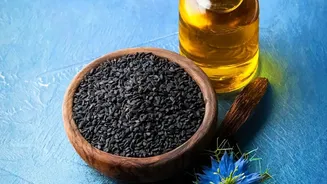
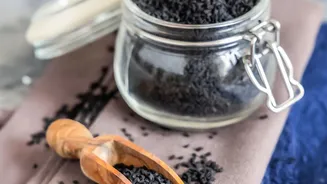
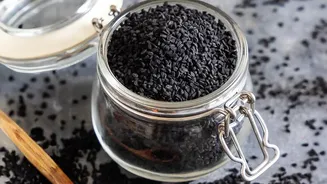
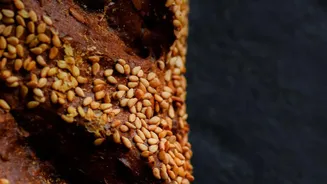
Often mistaken for black sesame or onion seeds, nigella seeds (Nigella sativa) are something else entirely. These small, matte black, triangular seeds come from a flowering plant in the buttercup family. For centuries, they have been a staple in South
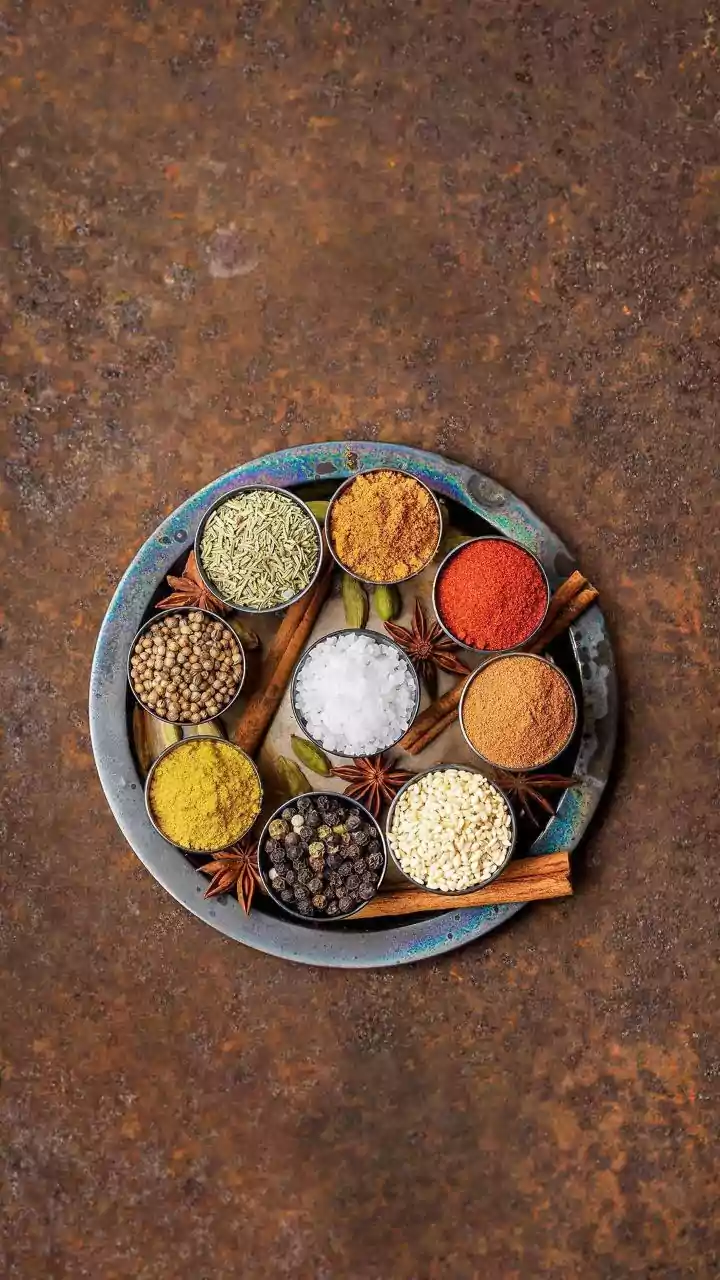
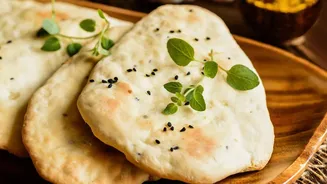
Asian, Middle Eastern, and North African cuisines. In India, they are most famously known as kalonji and are an essential component in spice blends like panch phoron, as well as a topping for breads like naan and kulcha. Their flavour is complex and unique: slightly bitter and peppery, with distinct notes of onion and oregano. It’s a flavour that is bold but not overpowering, designed to cut through and complement richer foods.
The Magic in the Dough
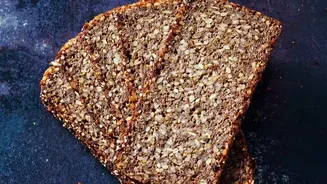
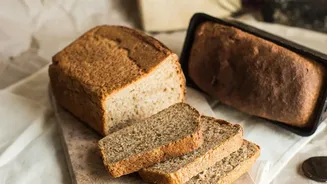
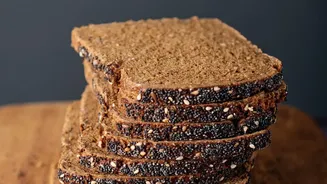
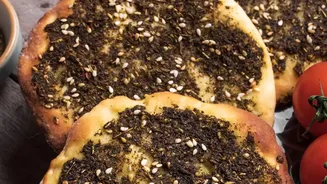
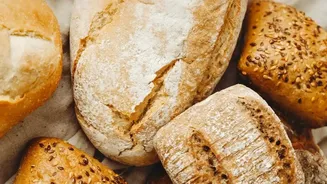
Adding nigella seeds to bread dough does more than just add visual appeal. When baked, the seeds release a wonderfully aromatic fragrance, filling your kitchen with a warm, savoury scent. They introduce a subtle, peppery crunch that provides a delightful textural contrast to the soft crumb of the loaf. The flavour profile of kalonji—earthy, nutty, and slightly oniony—infuses the bread, giving it a depth that plain loaves lack. This makes it the perfect companion for soups, curries, or simply a generous spread of butter. Many traditional Indian flatbreads, from naan to missi roti and parathas, rely on kalonji for this very reason, using the seeds to elevate a simple staple into something special.
An Easy Method for Any Dough
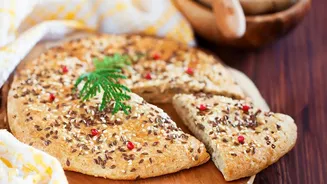
The beauty of using nigella seeds is that you don’t need a special recipe. You can upgrade any basic bread dough you already love, whether it's a simple no-knead recipe, a standard yeast loaf, or even a quick soda bread. There are two primary ways to incorporate them. The first and most common method for breads like naan is to sprinkle them on top. Simply brush your shaped dough with a little water, milk, or an egg wash and press a pinch of seeds onto the surface before baking. This method gives the loaf a beautiful appearance and a toasted, crunchy topping. For a more integrated flavour, you can knead the seeds directly into the dough itself. A good rule of thumb is to start with about one to two teaspoons of nigella seeds per 500 grams of flour. This ensures the flavour is present in every bite without becoming too bitter.
More Than Just Loaves
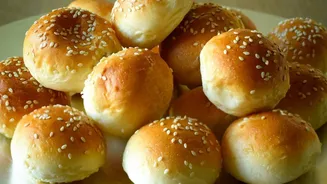
While perfect for savoury loaves, the utility of nigella seeds extends far beyond. Their unique taste enhances a wide variety of baked goods. Think about adding them to the dough for homemade crackers, savoury biscuits, or burger buns for an unexpected twist. They are fantastic in flatbreads of all kinds, including pitta bread and parathas. You can even sprinkle them onto the cheesy topping of a savoury pastry before it goes into the oven. The key is to think of them wherever you might use something like an 'everything bagel' seasoning; their savoury, onion-like quality makes them incredibly versatile.
A Cost-Effective Flavour Boost
One of the most appealing aspects of cooking with nigella seeds is their affordability. A small packet, widely available at most Indian grocery stores and supermarkets, costs very little and will last for months. Given that most recipes call for just a teaspoon or two, the cost per loaf is negligible. When compared to other gourmet flavourings, expensive cheeses, or imported herbs, kalonji offers an incredible return on investment. It provides a powerful and complex flavour profile for a fraction of the price, making it an accessible secret weapon for any home baker looking to add a touch of sophistication to their everyday creations without stretching their budget.