


First, What Is a Ramsar Site?
Think of it as a world heritage site for wetlands. The designation comes from the Ramsar Convention, an international treaty signed in Ramsar, Iran, in 1971. Its goal is to conserve and wisely use wetlands through global cooperation and national action.
When a wetland is declared a Ramsar site, it gains international recognition as a critical ecosystem. This isn't just a fancy label; it's a commitment to protect the site's ecological character, which includes its water, habitats, and the unique flora and fauna that depend on it. Countries that are part of the convention, which India joined in 1982, are obligated to manage these sites to prevent their degradation.
The Milestone of 103 Sites
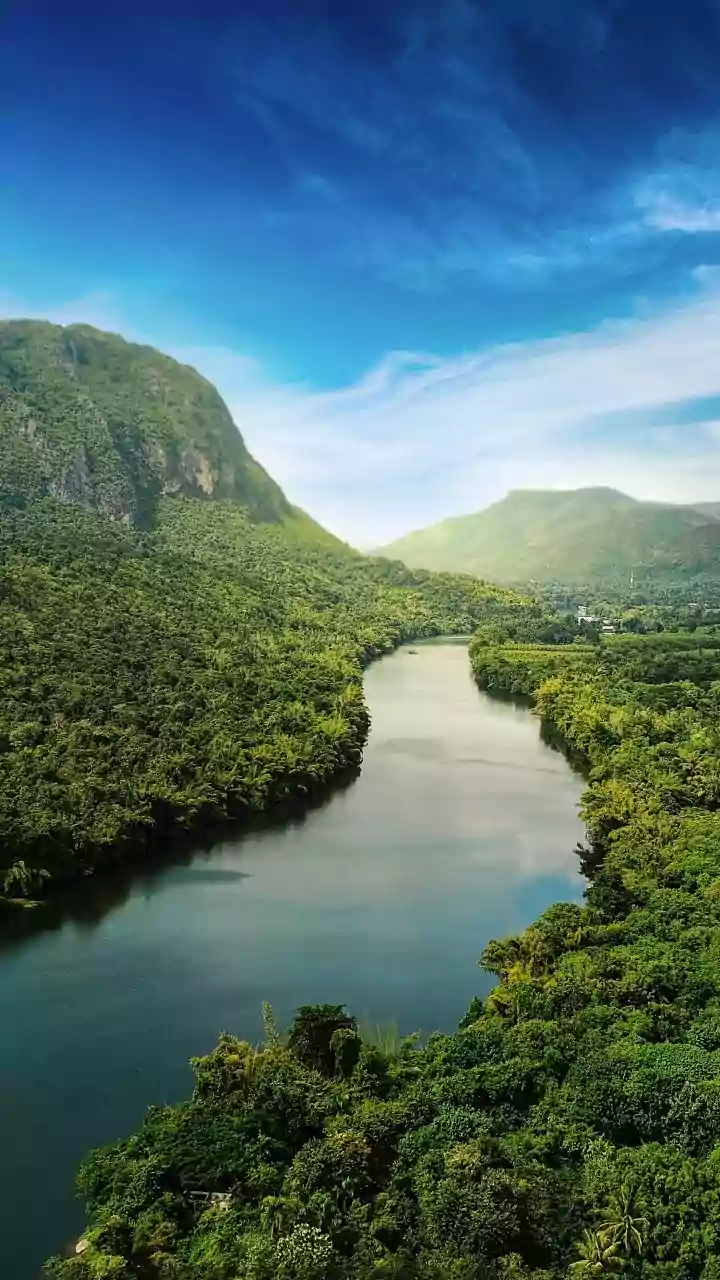
Reaching 103 Ramsar sites is a landmark achievement, solidifying India's position as a leader in wetland conservation in Asia. Recent additions such as Sukhna Lake in Chandigarh and Sauj Jheel in Uttar Pradesh helped the country cross this significant number. This rapid expansion highlights a growing focus on conserving these ecosystems for their role in protecting biodiversity, ensuring water security, and combating climate change. The network now covers a vast area across the country, from high-altitude lakes in the Himalayas to coastal mangroves in the Sunderbans, making it one of the largest networks of protected areas in the world.
How Wetlands Act as Plant Sanctuaries
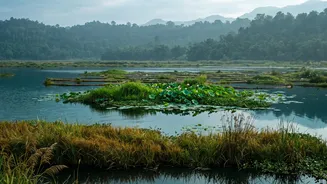
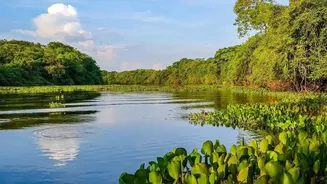
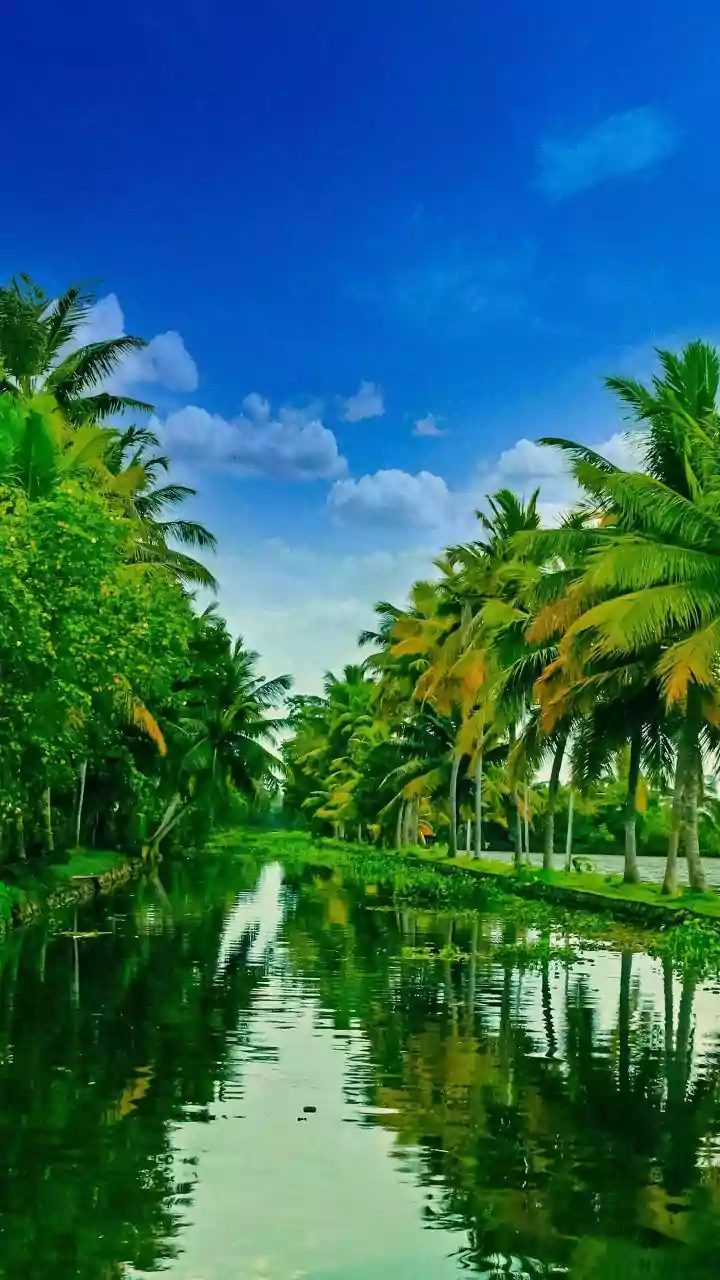
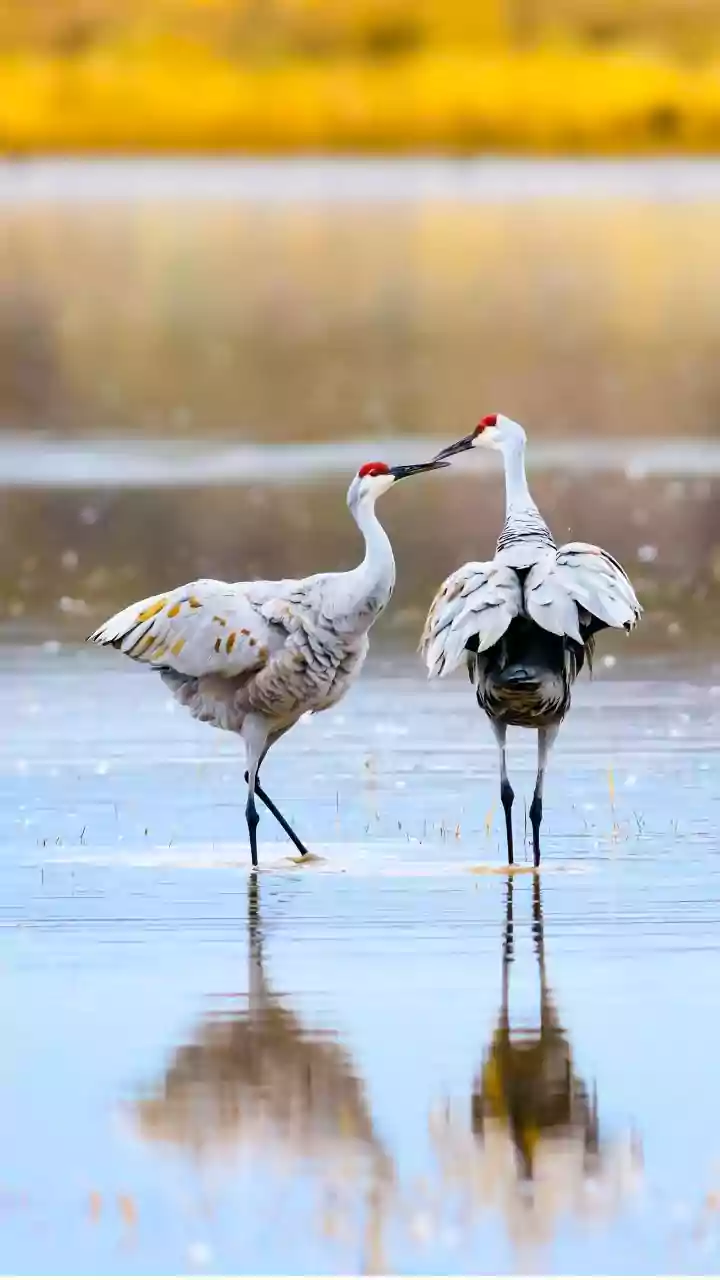
Wetlands are nature's nurseries. Their most fundamental role is providing a constant supply of water, which is obviously essential for plant life. But their function goes much deeper. Wetlands act as natural filters, trapping sediments and pollutants, which helps maintain the specific soil and water chemistry that many indigenous plants need to thrive. They create a mosaic of microhabitats—from shallow marshes and submerged zones to moist banks—each supporting different types of vegetation. For example, Sauj Jheel in Uttar Pradesh is noted for its diverse wetland vegetation, including the sacred lotus (Nelumbo nucifera) and wild sugarcane (Saccharum spontaneum). These plants, in turn, provide food and shelter for countless animal species, creating a complex and resilient ecosystem.
Guardians of Unique and Threatened Flora
Many of India's Ramsar sites are hotspots for endemic plants—species that are found nowhere else in the world. One of the criteria for a Ramsar designation is its importance for maintaining the biological diversity of a region, including supporting vulnerable or endangered species. For instance, the high-altitude wetlands in the Himalayas harbour rare medicinal herbs, while the mangrove forests of sites like the Sunderbans and Pichavaram are home to unique, salt-tolerant tree species that form a critical barrier against coastal erosion. The Keibul Lamjao National Park, the world's only floating park located on Loktak Lake, hosts a unique ecosystem built on 'phumdis' (floating mats of vegetation), which support a specialised flora. By protecting the wetland, the Ramsar designation directly protects these irreplaceable plant communities.
Beyond Designation: The Real-World Impact
The Ramsar tag does more than just bring attention; it catalyses concrete action. The designation often leads to the development of integrated management plans, which address threats like pollution, invasive species, and encroachment. It can unlock funding opportunities for conservation projects and promote scientific research and monitoring. Furthermore, it encourages 'wise use', which involves managing the wetland sustainably to support local livelihoods, such as fishing and eco-tourism, without harming its ecological character. This community involvement is often key to long-term success, as it turns local populations into stakeholders and guardians of their natural heritage, ensuring that the rich plant biodiversity within these sites continues to flourish for generations to come.