



Know the Enemy: What is Root Rot?
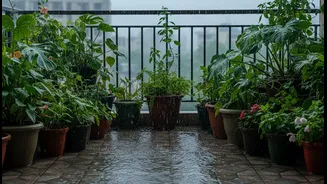
Before fixing the problem, it’s crucial to understand it. Root rot is a disease caused by fungi and other pathogens that thrive in overly wet, low-oxygen soil. During the monsoon, continuous rain saturates the potting mix, depriving roots of the air they
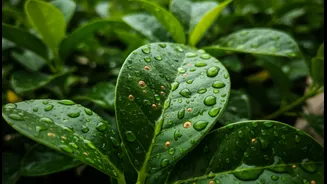
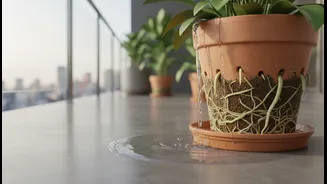
need to breathe. This creates the perfect breeding ground for these harmful organisms. The roots turn brown, soft, and mushy, losing their ability to absorb water and nutrients. Above ground, the plant may look wilted even though the soil is wet, a classic sign that the root system is failing. You might also notice yellowing leaves, stunted growth, or even a sour smell from the soil.
Elevate Your Pots for Better Airflow
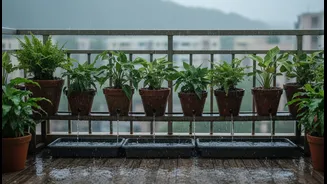
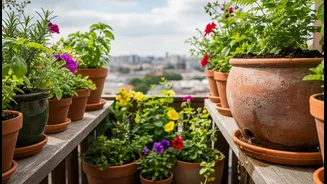
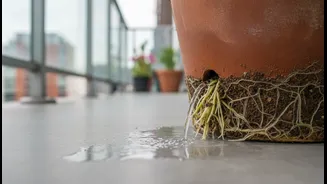
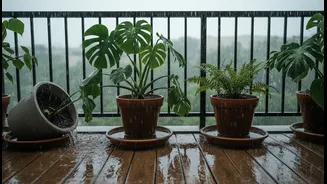
One of the simplest and most effective fixes is to lift your pots off the floor. When a pot sits directly on a flat balcony surface, water can pool underneath, blocking the drainage hole and keeping the soil saturated. By placing your pots on bricks, small stands, or specialised 'pot feet', you create a vital air gap. This space allows excess water to escape freely after a downpour and improves air circulation around the base of the pot, helping the soil dry out more evenly. This small adjustment significantly reduces the risk of waterlogging and is often the first line of defence against monsoon-related root rot.
Rethink Your Potting Mix
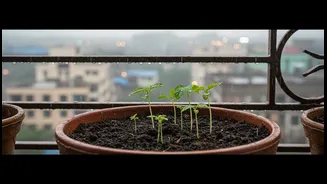
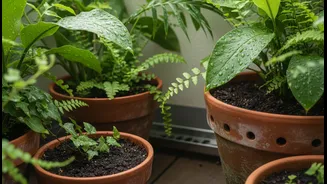
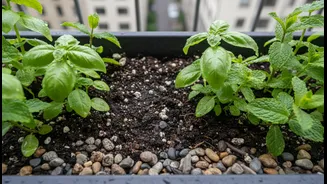
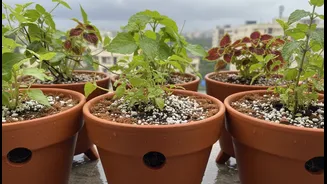
Heavy, dense soil is a major contributor to poor drainage. Standard garden soil is often too compact for containers and holds excessive water, especially during the monsoon. To give your plants a fighting chance, use a light, well-draining potting mix. You can buy pre-made mixes or create your own. A good recipe often includes equal parts garden soil, coco peat (for moisture retention without sogginess), and a material that improves aeration like coarse sand or perlite. These lighter components create air pockets in the soil, allowing water to pass through while retaining enough moisture for the plant. If your plants are already potted, you can gently aerate the existing soil with a skewer or chopstick, creating small channels for air and water to move.
Ensure Drainage Holes are Clear
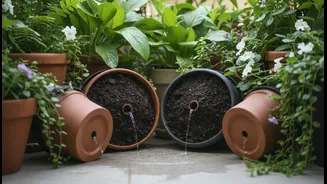
This may sound obvious, but it's a commonly overlooked step. All pots must have drainage holes to let water out. Before the monsoon begins, take a moment to check every container. Turn them over and ensure the holes aren't clogged with old roots, compacted soil, or other debris. If you have a decorative pot without holes, use it as a cachepot—place a smaller, functional pot with drainage inside it. After heavy rain, make it a habit to tip out any water that has collected in the cachepot or saucer to prevent the plant from sitting in stagnant water.
Debunking the Gravel Myth
A long-standing gardening myth suggests that adding a layer of gravel, pebbles, or broken pottery shards at the bottom of a pot improves drainage. However, modern horticulture has shown this to be counterproductive. Instead of helping water flow out, this layer actually creates what is known as a 'perched water table'. Water tends to collect and saturate the soil layer just above the gravel before it finally drains through. This keeps the root zone wetter for longer, increasing the risk of rot. The best practice is to use a high-quality, well-draining potting mix throughout the entire pot, from top to bottom, and ensure the drainage holes are clear.
Adjust Your Watering Habits
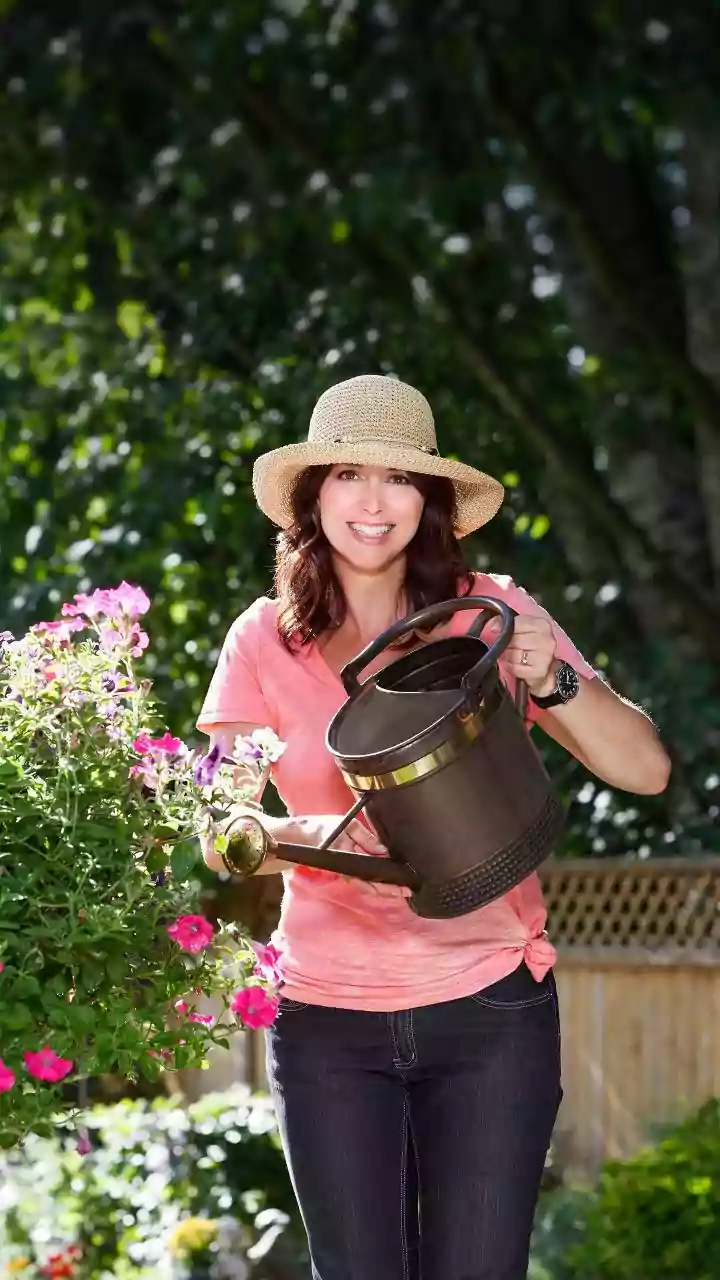
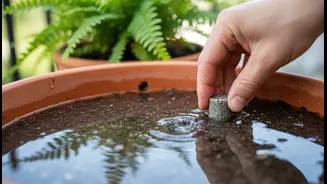
During the monsoon, you need to unlearn your summer watering schedule. With frequent rain and high humidity, plants need far less manual watering. Overwatering is one of the most common mistakes gardeners make this season. Before you reach for the watering can, always check the soil. Push your finger a couple of inches deep; if the soil feels moist, the plant does not need more water. Let the top layer of soil dry out slightly between waterings to ensure the roots get a chance to breathe. Let the rain do most of the work for you, and only supplement when absolutely necessary.