


The Power of the Collective Gasp
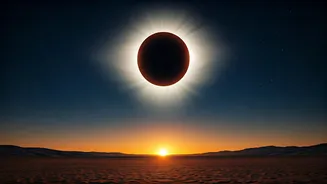
Think back to the total solar eclipses of 2017 and 2024. For a few precious minutes, American life came to a standstill. Highways in rural Oregon and Texas gridlocked not with commuters, but with pilgrims. Parks filled with families, scientists, and curious
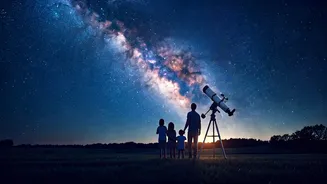
strangers, all united by a simple, upward gaze. When the moon finally slid perfectly over the sun and darkness fell in the middle of the day, what happened wasn't just an astronomical event; it was a profoundly human one. A collective gasp swept across the landscape, followed by cheers, tears, and awestruck silence. In a deeply divided nation, the cosmos provided a moment of pure, unscripted unity. We weren't Democrats or Republicans; we were just people, standing together under a hole in the sky, sharing a memory that would be etched into our lives forever. That communal feeling is a huge part of the magic. You're not just seeing something amazing; you're sharing in the wonder.
A Necessary Dose of Perspective
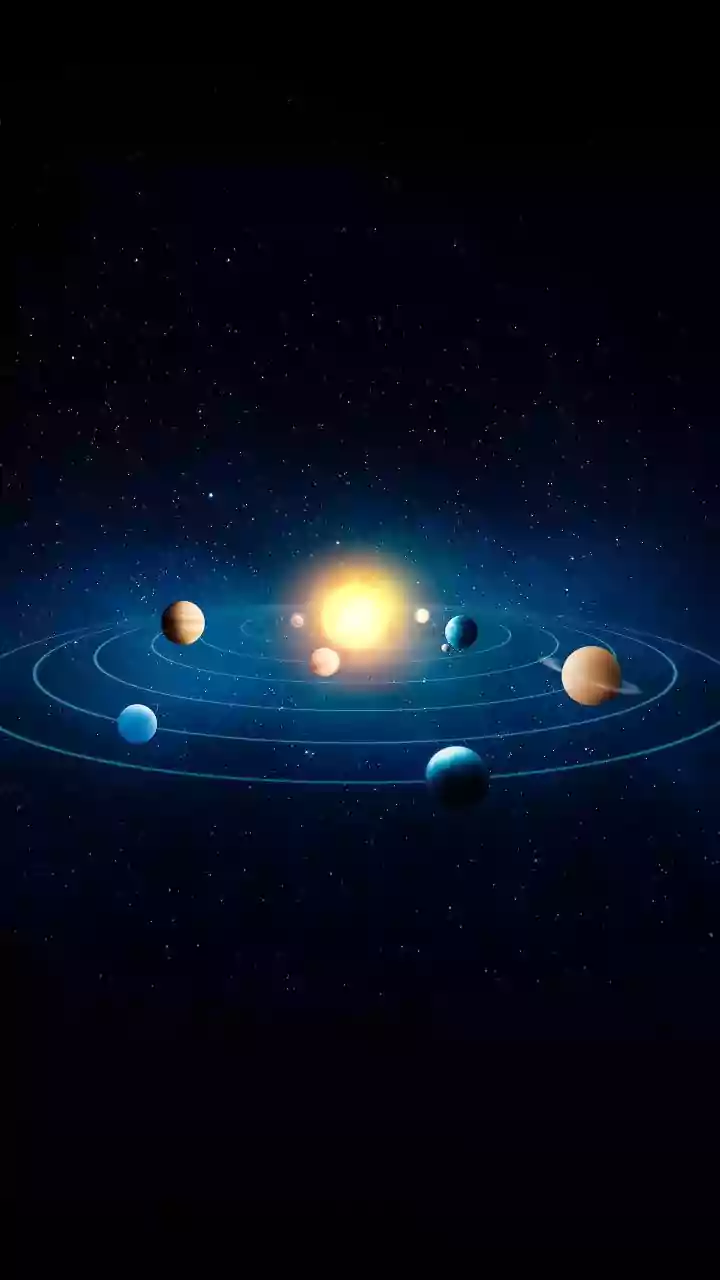
Our daily lives are governed by the immediate: the urgent email, the ringing phone, the looming deadline. These demands shrink our focus to a pinprick. A rare celestial event does the opposite; it forces us to zoom out. Watching the faint, fuzzy glow of a comet like NEOWISE in 2020, you’re not just seeing a dirty snowball. You’re seeing a visitor from the outer solar system that last swung by thousands of years ago and won’t be back for millennia. Its schedule is entirely indifferent to our own. This perspective is a gift. It reminds us that our world is part of a much larger, much older system. The anxieties of the day seem impossibly small when measured against the 76-year orbit of Halley’s Comet or the billion-year life cycle of a distant star. These events are a natural antidote to the tyranny of the now, offering a moment of cosmic humility that is both grounding and liberating.
The Thrill Is in the Chase
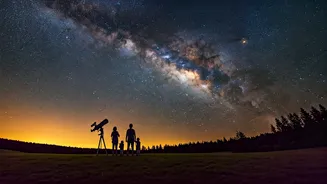
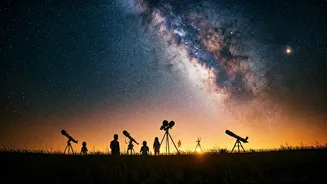
Part of what makes these moments so valuable is the effort they require. The “wait” isn’t just a passive delay; it’s an active period of anticipation and preparation. For amateur astronomers and dedicated eclipse chasers, the planning is half the fun. It involves studying charts, booking travel a year in advance, and monitoring weather forecasts with a fanatic’s devotion. This chase transforms a viewing from a passive activity into a rewarding quest. When you’ve driven six hours and are standing in a specific field at a specific time, the moment of totality or the peak of a meteor shower isn’t just something you see—it’s something you’ve earned. This investment deepens the experience, turning it from a simple spectacle into a personal accomplishment. It’s a powerful lesson that the most meaningful rewards in life often require patience and deliberate effort.
Understanding Makes It More Magical
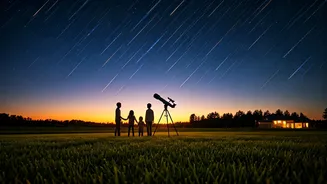
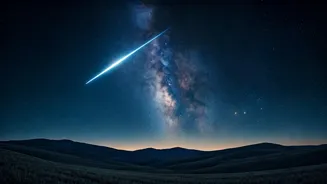
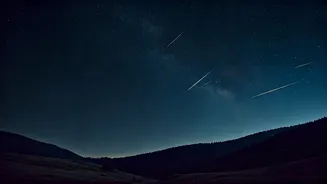
You don't need to be an astrophysicist to be floored by a total solar eclipse, but knowing a little bit about the science can elevate the wonder. Understanding that you’re seeing the sun’s corona—its ethereal, super-heated atmosphere that’s normally invisible—makes the view even more breathtaking. Knowing that the Perseid meteor shower happens every August because Earth is passing through the dusty debris trail left by the comet Swift-Tuttle adds a layer of beautiful cosmic clockwork to the light show. Far from diminishing the magic, the science behind these events enhances it. It reveals a universe of astonishing precision, scale, and power, operating on principles we can just begin to grasp. It’s the difference between seeing a pretty picture and understanding the artist’s revolutionary technique.