





The Pandemic’s Green Lining
The resurgence of home gardening found its strongest catalyst in the silence of the 2020 lockdowns. Confined to their homes, many Indians sought new ways to fill their time and soothe their anxieties. Gardening emerged as a perfect solution—a tangible,
life-affirming activity that didn’t require leaving the house. The initial driver was often practical: with supply chains disrupted, the idea of growing one's own food, even just a few herbs or chillies, offered a sense of security and self-sufficiency. This desire for safe, traceable produce, free from pesticides, has outlasted the lockdowns, cementing gardening as a permanent fixture in many urban households.
An Antidote to Urban Burnout
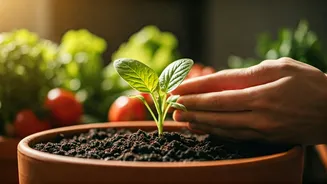
Beyond the kitchen, the garden has become a sanctuary for mental well-being. In a world dominated by screens and deadlines, the slow, deliberate process of tending to plants offers a powerful form of mindfulness. Psychologists call it 'horticultural therapy.' For millions of Indians navigating the pressures of urban life, it’s simply a chance to disconnect from digital noise and reconnect with something real. The act of nurturing a seed into a flourishing plant provides a profound sense of accomplishment and purpose. It’s a quiet rebellion against the frantic pace of modern living, offering a daily dose of calm, patience, and perspective right at home.
From Balconies to Business
This green-fingered revival has cultivated a thriving new ecosystem of businesses. Startups and agri-tech companies have mushroomed, catering to the needs of the modern urban gardener. They offer everything from curated seed kits and organic potting mixes to stylish planters and self-watering systems designed for small spaces. Online workshops and tutorials on YouTube have democratised gardening knowledge, making it accessible to complete novices. This commercial boom signifies that home gardening is not just a fleeting trend but a sustained lifestyle shift. It has created a vibrant market that empowers city dwellers to grow, learn, and connect with a community of fellow enthusiasts.
What’s Growing in the Urban Jungle?
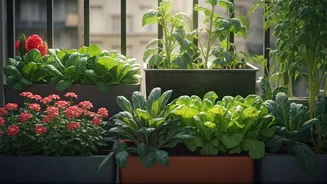
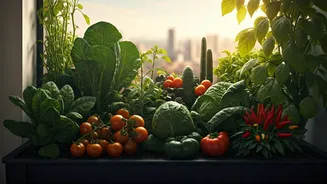
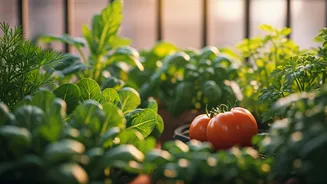
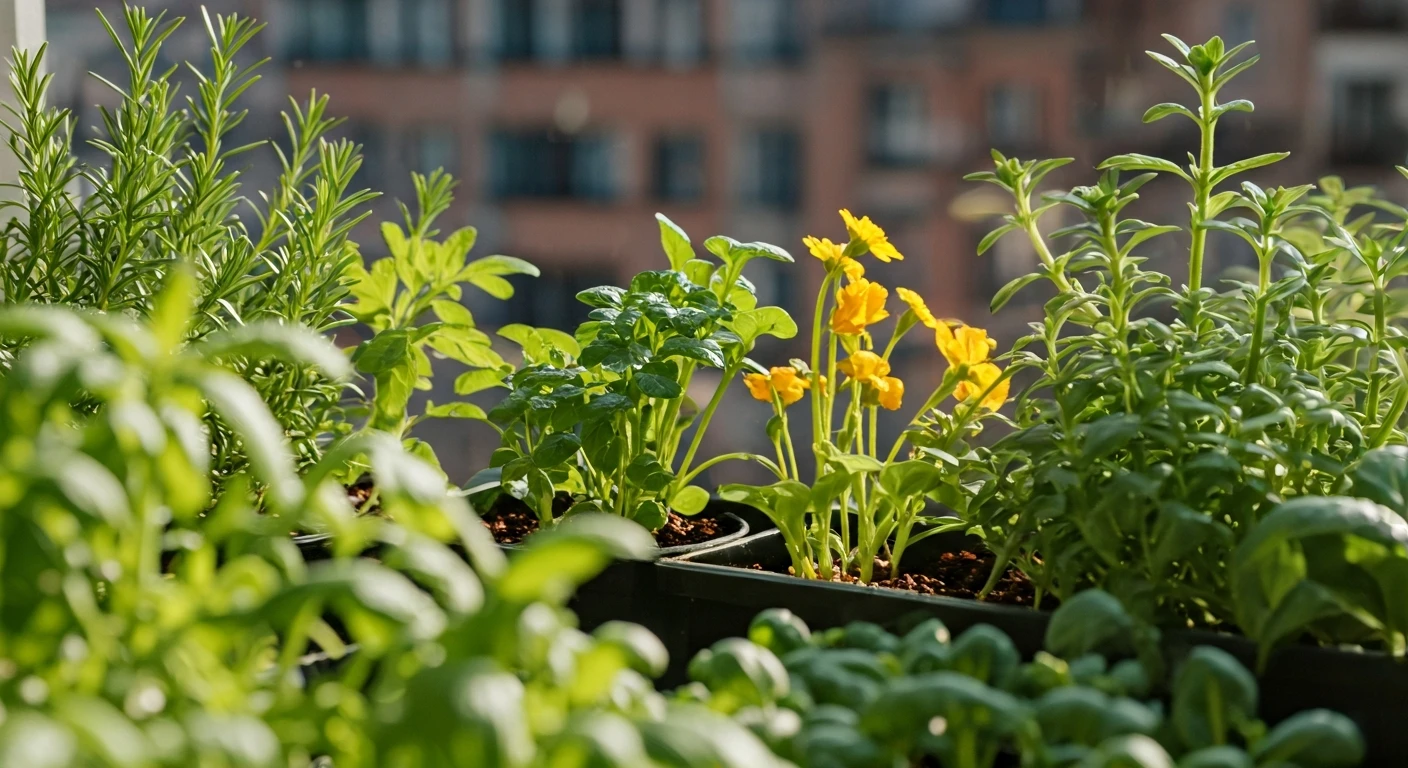
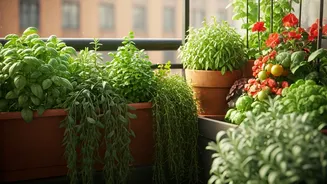
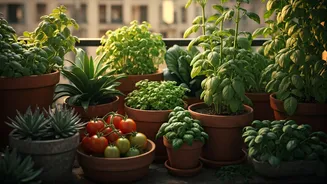
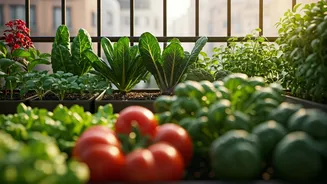
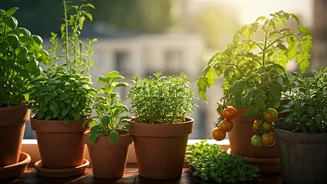
So, what are India’s new gardeners planting? The choices reflect a blend of tradition, convenience, and culinary passion. The entry point for many is a simple herb garden. Pots of tulsi, mint, coriander, and curry leaves are now common sights on kitchen windowsills, providing fresh ingredients for daily cooking. Buoyed by early success, many graduate to vegetables that thrive in containers, such as tomatoes, chillies, brinjal, and leafy greens like spinach. There’s also a growing interest in exotic and heirloom varieties, as well as flowering plants that add a splash of colour and attract pollinators, turning sterile urban spaces into small but vibrant ecosystems.
Greening the Concrete Canvas
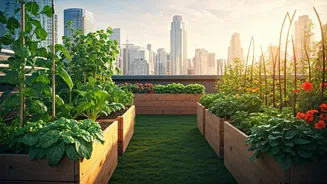
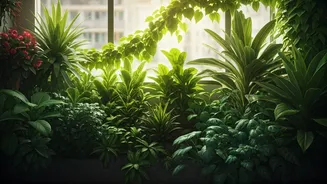
The primary challenge for the urban gardener remains space. However, innovation is overcoming this hurdle. Vertical gardens, where plants are grown on upright panels, are transforming barren walls into living green tapestries. Hydroponics and aquaponics—soil-free cultivation methods—are gaining traction among the tech-savvy, allowing for high-yield gardens in incredibly compact areas. Meanwhile, in many residential societies, neglected common areas are being repurposed into community gardens, fostering social bonds as neighbours come together to cultivate shared plots. These creative solutions ensure that a lack of a traditional backyard is no longer a barrier to experiencing the joy of growing your own.