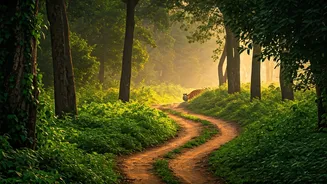









The New Face of the Safari
For decades, the quintessential wildlife tourist in India was either a foreign visitor ticking off a bucket-list item or a family on a school holiday. Today, that picture is evolving rapidly. In the famed tiger reserves of Madhya Pradesh and Maharashtra
— think Kanha, Bandhavgarh, Pench, and Satpura — a noticeable surge in young, domestic travellers is reshaping the safari experience. These aren't just large family groups; they are solo travellers in their twenties, small groups of friends, and young couples. Armed with smartphones and a genuine passion for the wild, they are bringing a new energy to the lodges and buffer zones. Tour operators and resort owners report a significant uptick in bookings from the 20-35 age demographic, a trend that accelerated post-pandemic but shows no signs of slowing down.
The Instagram Effect and Beyond
What’s driving this green rush? A major catalyst is undoubtedly social media. Instagram, in particular, has turned wildlife photography from a niche hobby into a mainstream aspiration. A stunning shot of a tiger crossing a forest track or a leopard lounging on a branch can garner thousands of likes, inspiring followers to seek out the same experience. Wildlife photographers have become major influencers, their feeds acting as dynamic travel brochures. But the motivation runs deeper than just getting the perfect shot. For many young Indians, the confinement of the pandemic lockdowns fostered a profound desire to reconnect with open, natural spaces. This ‘revenge travel’ phenomenon found its perfect outlet in the sprawling, serene landscapes of India’s national parks, offering both adventure and a sense of escape.
More Than Just Tiger Spotting
While the Royal Bengal Tiger remains the star attraction, this new wave of enthusiasts is displaying a more holistic interest in the ecosystem. They are just as thrilled to spot a rare bird, a pack of wild dogs (dholes), or a shy sloth bear. They come equipped with knowledge gleaned from documentaries and online forums, asking guides informed questions about animal behaviour, flora, and conservation challenges. This shift is encouraging. It moves the focus from a singular, often-elusive goal (spotting a tiger) to a broader appreciation of the entire forest. This patient, curious approach makes for a richer safari experience and helps reduce the pressure on guides to chase tiger sightings at all costs, which can be disruptive to wildlife.
A Boost for Conservation and Local Economies
This demographic shift is largely a positive development. The influx of domestic tourism provides a vital economic lifeline to local communities that depend on the parks for their livelihood — from guides and drivers to lodge staff and souvenir sellers. Increased footfall, when managed well, translates into more revenue for forest departments, which can be reinvested into conservation efforts and anti-poaching activities. However, the trend also brings challenges. There is a growing need to educate this new audience about responsible tourism. The excitement of a sighting can sometimes lead to noisy behaviour or pressure on drivers to get too close to animals. Park authorities and ethical tour operators are now focusing on promoting a code of conduct: maintain silence, respect animal space, and leave no trace. The goal is to ensure that this newfound passion for the wild contributes positively to its preservation.