


Why Moisture is the Enemy of Crunch
Leafy greens are mostly water, held within their cell walls. This internal water pressure, known as turgor pressure, is what makes them firm and crisp. Once harvested, greens can no longer draw water from the soil and begin to lose their own. The problem
intensifies when external moisture is introduced. Excess water on the surface of leaves encourages wilting, makes them more susceptible to bruising, and creates a perfect environment for spoilage. Furthermore, any dressing you add will be diluted by this water, sliding off the leaves and pooling at the bottom of your bowl instead of coating them evenly. The fundamental rule of a great salad is simple: control the water.
The Correct Way to Wash Your Greens
Washing greens is essential, but a quick rinse under a running tap often isn't enough to remove grit and can damage delicate leaves. The best method is to give them a cold bath. Fill a large bowl with cold water, separate the leaves, and submerge them completely. Gently swish them around to loosen any dirt, then let them sit for a few minutes. The grit will sink to the bottom. It's crucial to lift the greens out of the water, rather than pouring them into a colander, which would just dump the dirt back on top. For particularly sandy greens like fresh spinach, you might need to repeat the process with fresh water until the bowl is clear of debris.
Drying: The Most Critical Step
Drying your greens is arguably more important than washing them. Any water left clinging to the leaves is a fast track to a limp salad. By far, the most effective tool for this job is a salad spinner. It uses centrifugal force to whisk water away from the leaves without crushing them. If you don't own a spinner, you can use the towel method. Lay the washed greens in a single layer on a clean kitchen towel or several layers of paper towels. Gently roll up the towel and let it absorb the moisture, or simply pat the leaves dry. The goal is to get them as dry as possible to ensure maximum crispness and help the dressing adhere properly later.
Smart Storage for Lasting Crispness
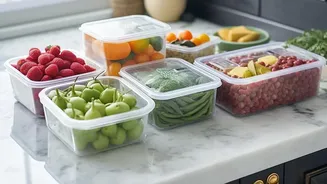
If you're not using your greens immediately, proper storage is key. The enemy here is condensation. An airtight container can trap moisture, causing the greens to decompose faster. A proven method is to line a container with a dry paper towel, place the clean, dry greens inside, and then lay another paper towel on top before closing the lid. The paper towels will absorb any excess moisture that is released, keeping the leaves crisp for a week or even longer. Store the container in the crisper drawer of your refrigerator, which is designed to maintain a more suitable humidity level for produce.
Timing Your Toss: The Final Frontier
Even with perfectly crisp greens, you can ruin a salad in the final seconds. Most dressings contain salt and acid (like vinegar or citrus juice), both of which are hydrophilic, meaning they draw water out of plant cells through osmosis. This process rapidly breaks down the structure of the leaves, causing them to wilt. To avoid this, always dress your salad at the very last minute, right before serving. If you're packing a salad for lunch, carry the dressing in a separate container. For heartier greens like kale or cabbage, you have a little more leeway, but for delicate lettuces, waiting until the moment of serving is the only way to preserve that perfect, satisfying crunch.