


The Golden Ingredient's Comeback
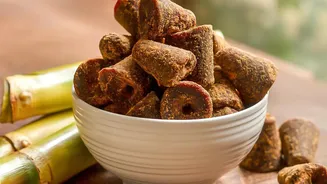
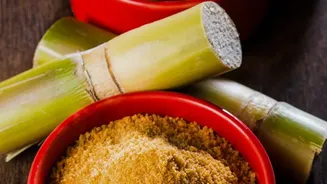
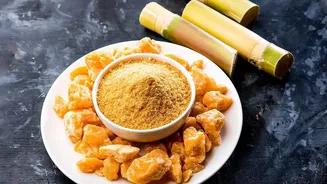
Known as 'karupatti' in Tamil Nadu and 'thaati bellam' in Andhra Pradesh, palm jaggery is an unrefined sweetener with deep cultural roots in India. It is made by tapping the sap, or 'neera', from palm trees like the palmyra, date, or toddy palm. This
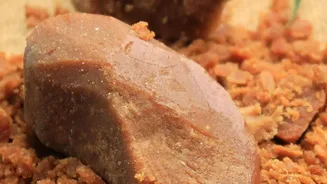
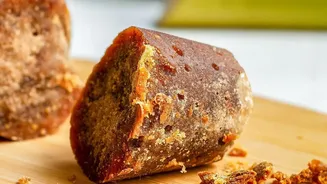
collected sap is then boiled in large vats, often over a wood fire, until it thickens and solidifies. The entire process is traditionally free of chemicals and additives, resulting in a product that retains its natural nutrients. Unlike sugarcane jaggery, palm jaggery has a distinctively smoky, caramel-like flavour and a dark, rich colour, which adds a new dimension to desserts.
The Appeal of a Healthier Sweetener
The primary driver behind this trend is a collective shift towards healthier eating. Home bakers and health-conscious consumers are increasingly wary of refined white sugar, which offers empty calories. In contrast, palm jaggery is celebrated for its nutritional profile. Because it is minimally processed, it retains essential minerals such as iron, magnesium, potassium, and calcium. It is also believed to have a lower glycemic index (GI) compared to refined sugar, meaning it may cause a slower, more gradual rise in blood sugar levels. This quality makes it an attractive option for those looking to manage their sugar intake more carefully. Additionally, palm jaggery is considered a digestive aid in traditional medicine, often consumed after meals.
Mastering the Art of Jaggery Baking
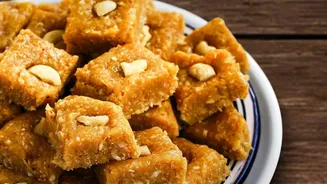
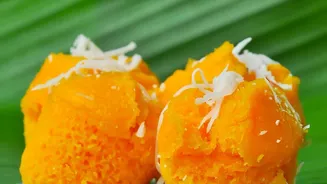
Swapping refined sugar for palm jaggery is not always a one-to-one substitution, and home bakers are enjoying the creative challenge. Palm jaggery's unique flavour profile—often described as earthy with notes of caramel and chocolate—can transform a simple recipe into something special. Its high moisture content can also result in moister, denser cakes and muffins. Online baking communities and food blogs are filled with bakers sharing tips on how to best incorporate it. Common advice includes melting the jaggery into a syrup to ensure it dissolves evenly and straining it to remove any impurities. From classic chocolate cakes and cookies to traditional Indian sweets like payasam and laddoos, home bakers are adapting recipes to showcase this flavourful sweetener.
More Than Just a Kitchen Experiment
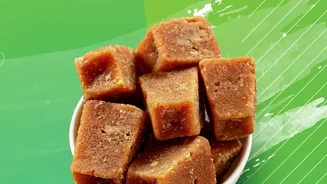
This embrace of palm jaggery reflects a broader movement towards conscious consumption and a rediscovery of indigenous ingredients. It's a choice that connects modern wellness goals with ancestral wisdom. The trend is visible not just in home kitchens but also in the offerings of artisanal bakeries and organic stores, which are now stocking various forms of palm jaggery, from solid blocks to easy-to-use powders. As consumers become more interested in where their food comes from, this traditional, sustainably produced sweetener is finding its rightful place back in the Indian pantry. It represents a delicious return to roots, proving that what is old can be new, and healthier, again.