


The Modern Protein Obsession
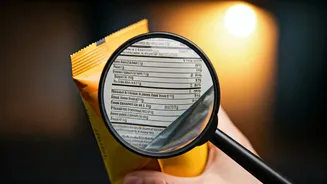
Protein has become the undisputed king of macronutrients in the wellness world. From athletes looking to build muscle to individuals on a weight loss journey, the message is clear: you need more protein. This has fuelled a multi-billion dollar industry
of protein supplements, with powders made from whey, casein, soy, and peas promising quick, convenient, and concentrated doses. The Indian Council of Medical Research (ICMR) recommends about 0.8 to 1.0 gram of protein per kilogram of body weight for an average adult, which can increase for highly active individuals. This has led many to believe that meeting these targets through diet alone is a struggle, making supplements feel like a necessity rather than an option.
Enter: The Humble Dal
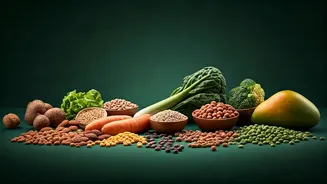
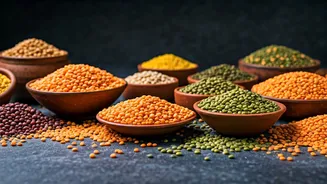
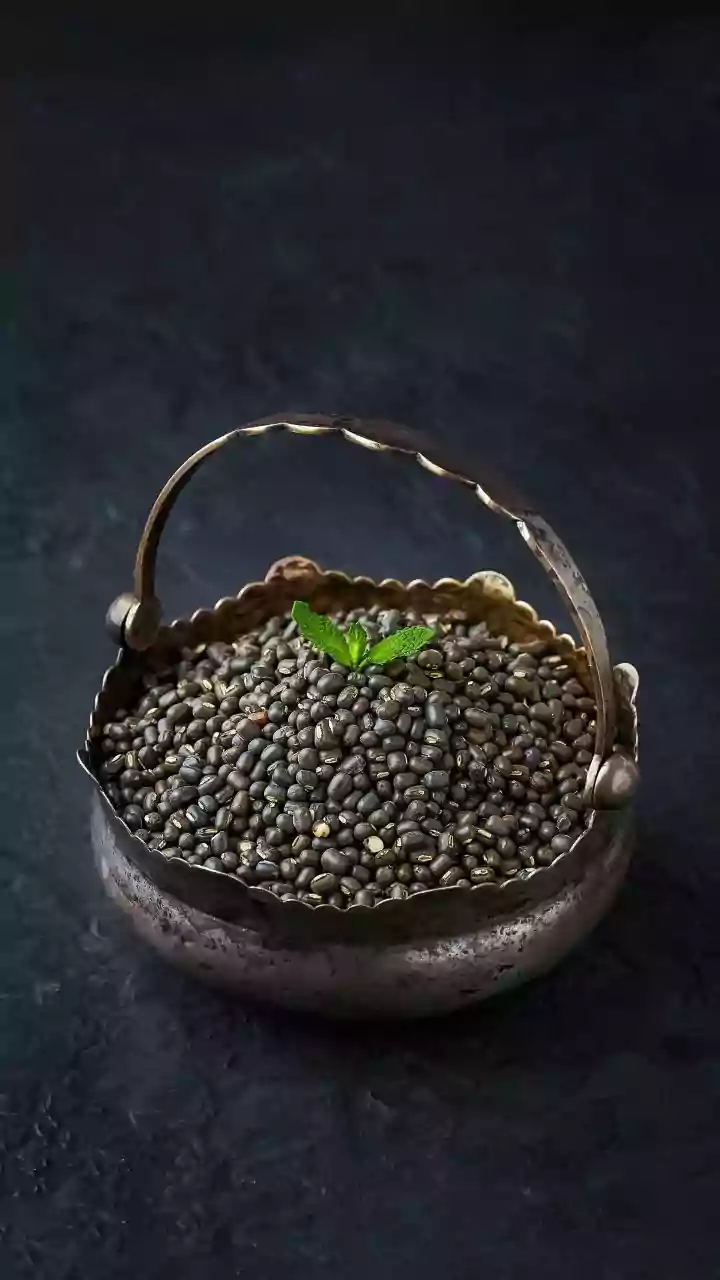
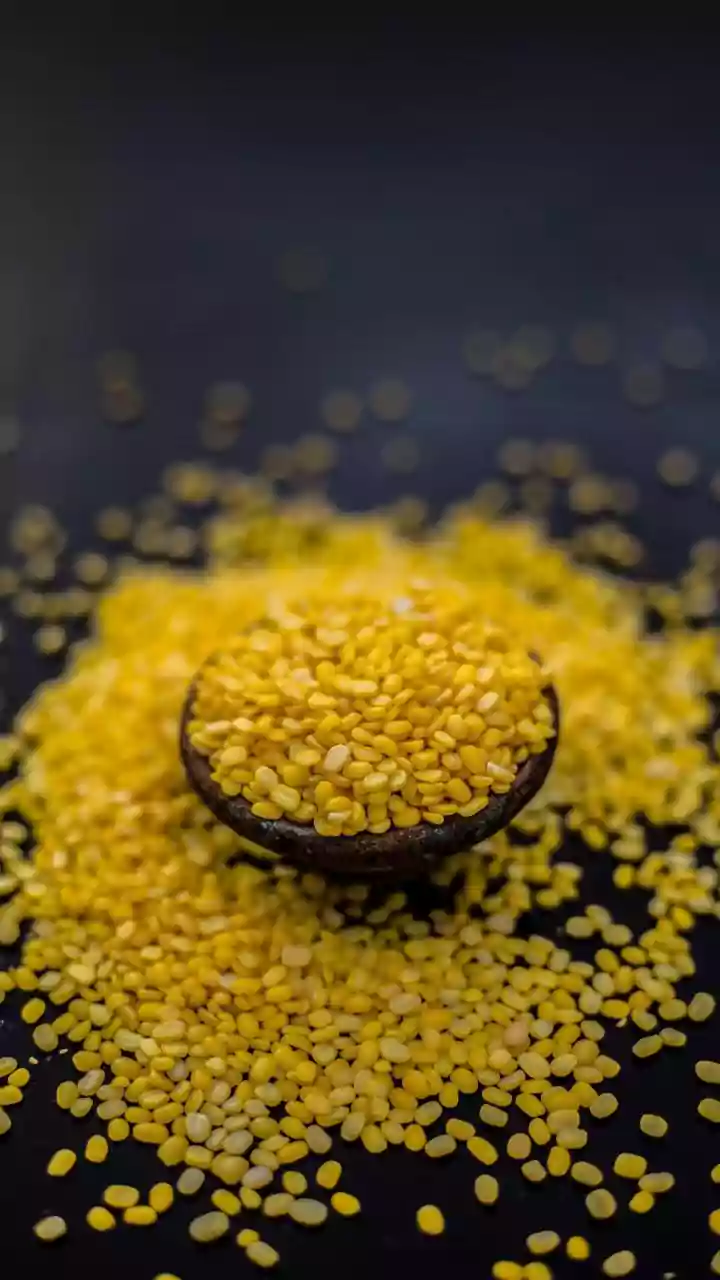
For centuries, the quiet hero of the Indian diet has been dal. It’s the comforting bowl of yellow tadka, the rich and creamy dal makhani, or the hearty base of a South Indian sambar. It is so integral to our food culture that we often overlook its nutritional prowess. Dals, or lentils, are a diverse group of pulses that have been a primary source of protein for generations. Raw dals are nutritional powerhouses, with varieties like Urad, Moong, and Masoor dal containing about 24-25 grams of protein per 100 grams—a figure comparable to many animal sources. While this concentration dilutes when cooked with water, a single serving can still provide a significant protein boost.
The Science of a 'Complete' Meal
A common argument for supplements, especially whey, is that they are ‘complete proteins,’ meaning they contain all nine essential amino acids our bodies cannot produce. Most plant-based proteins, including individual dals, are considered 'incomplete' as they are low in one or more of these amino acids; for instance, dals often lack methionine. However, Indian culinary wisdom solved this puzzle ages ago. The timeless combination of dal with rice or roti isn't just for taste—it's a masterstroke of nutritional science. Grains like rice and wheat are rich in the very amino acids that dals lack. When eaten together, they form a complete protein profile, providing your body with all the necessary building blocks for muscle repair and growth.
Dal vs. The Scoop: A Holistic View
So, should you throw out your protein powder? Not necessarily, but it’s crucial to see the bigger picture. A scoop of whey protein offers a fast-absorbing, concentrated shot of protein, which can be useful post-workout. However, that’s where its benefits largely end. Dal, on the other hand, is a whole food. A single bowl offers not just protein, but also complex carbohydrates for sustained energy, immense dietary fibre for digestive health, and essential micronutrients like iron, folate, and magnesium. The fibre in dal also promotes satiety, keeping you fuller for longer, and aids in the effective digestion and absorption of the protein itself. Furthermore, dal is significantly more affordable and accessible than most commercial protein supplements.
The Verdict From The Experts
Recent guidelines from the ICMR caution against the indiscriminate use of protein supplements, stating that most healthy adults can meet their needs through a balanced diet alone. Nutritionists agree that for the majority of people, even those who are moderately active, whole food sources are superior. Supplements may have a place for elite athletes with demanding training schedules or individuals with specific medical conditions, but they should not be a replacement for real food. The traditional Indian way of eating—combining different dals, grains, and vegetables—provides a robust and complete nutritional profile that supports overall health far beyond just muscle building.