

More Than Just Fusion
For years, modern Indian food was often defined by fusion dishes like paneer tikka pizza or butter chicken pasta. While fun, these were often about blending familiar formats. Today's trend is different. It's about culinary archaeology. Chefs are acting
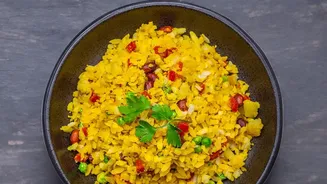
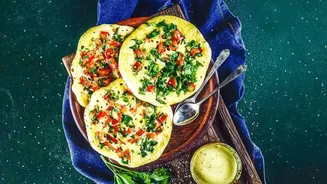
as curators, looking inward to India's vast and diverse gastronomic heritage. The goal isn't to create a mash-up but to refine and elevate. It's a movement of confidence, where a 'thepla' no longer needs to be called a 'savory flatbread' to be valued on a global stage. The focus is on honouring the 'why' behind a tradition, whether it's a specific spice combination from a village in Rajasthan or a slow-cooking method from a community kitchen in Goa.
Pioneers of the Plate
Across the country, culinary trailblazers are championing this return to the roots. In Jaipur, Executive Chef Sunil Jajoria of Anantara Jewel Bagh has spent over a decade researching and reviving lost Rajasthani dishes, inspired by his grandmother's cooking. His menu features a 'gosht aur bajre ki tehri', a dish of slow-cooked millet and meat that has almost vanished from homes. At The Oberoi Sukhvilas, Chef Arindam Basu uncovered recipes from Punjabi villages, like a 'khushk mahi kebab' that uses the forgotten practice of soaking river fish in milk to temper its muddy notes. This new wave is less about theatrical gimmicks like liquid nitrogen and more about substance and storytelling.
A Hunger for History
So, why is this happening now? Several factors are fueling this culinary renaissance. There's a growing desire for authenticity and a deeper connection to cultural roots. Diners are becoming more adventurous, seeking out regional specialties from Kerala, Nagaland, and Goa over generic curries. This 'newstalgia'—a blend of nostalgia and innovation—offers comfort grounded in familiarity. Furthermore, provenance is the new luxury. An heirloom grain from a small farm in Chhattisgarh is now seen as more valuable than an imported truffle. Chefs are proudly showcasing India's immense culinary diversity, which also helps their restaurants build unique identities in a crowded market.
Modern Techniques, Ancient Flavours
This trend isn't about rejecting modern cooking; it's about using it to enhance tradition. For instance, a chef might use a French sous-vide technique to cook mutton for 48 hours at a precise temperature, achieving an impossibly tender texture while glazing it with a concentrated traditional masala. The result preserves the nostalgic flavour profile but elevates the eating experience. Other innovations include using dehydration to create a spiced 'potato soil' that delivers crunch without grease, or turning humble ingredients like jackfruit and lotus root into the stars of fine-dining plates. Even desserts are being reimagined, with traditional sweets like gulab jamun being baked instead of fried and using jaggery instead of refined sugar.