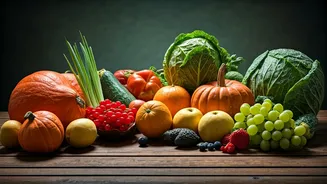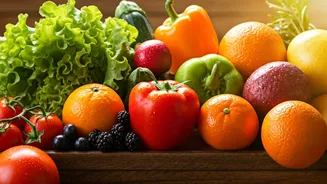




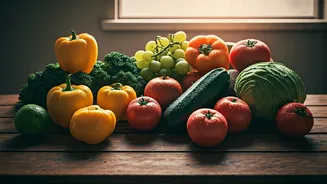


The Power of Peak Freshness
When we talk about eating ‘fresh’, it’s about more than just avoiding wilted greens. Freshly harvested produce, plucked at its peak, is bursting with nutrients. From the moment a fruit or vegetable is picked, its nutritional value, especially of delicate
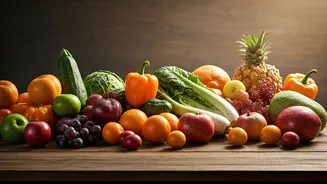
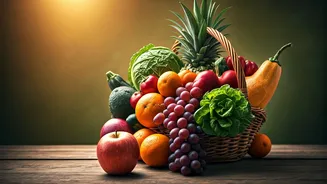
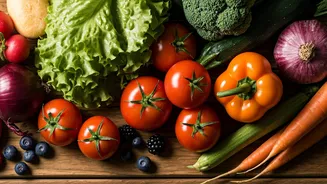
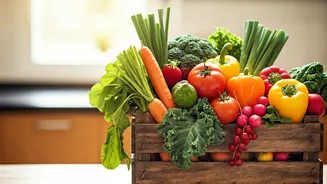
vitamins like Vitamin C and B vitamins, begins to decline. Food that travels long distances or sits in cold storage for weeks or months loses a significant portion of its vitality. By choosing produce that has just come from a nearby farm, you are getting the maximum nutritional bang for your buck. The vibrant colours, crisp textures, and rich flavours are nature’s way of signalling that the food is at its most nourishing.
Why Seasonal Eating Matters
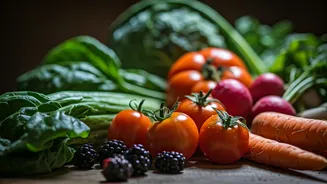
Eating seasonally means consuming foods that are naturally harvested at a specific time of the year in your region. This practice aligns our bodies with nature’s cycles. For example, the water-rich cucumbers and melons of summer help us stay hydrated in the heat, while the dense, vitamin-rich root vegetables and leafy greens of winter, like carrots and spinach, provide the energy and immunity support we need in colder months. Nature provides what our bodies need most at any given time of year. Following this rhythm can lead to a more varied diet, exposing you to a wider range of vitamins, minerals, and antioxidants than you would get by eating the same few vegetables all year long.
Better Taste, Better for Your Wallet
There is simply no comparison between the taste of a juicy, sun-ripened summer mango and a bland, off-season one that has been artificially ripened. When produce is in season, it’s abundant. This natural abundance drives down costs, making seasonal eating an incredibly budget-friendly strategy. Your local sabziwala or farmer’s market will be overflowing with these items, and you’ll notice they are significantly cheaper than their out-of-season counterparts. By shopping seasonally, you not only get food that tastes better but also stretch your grocery budget further, allowing you to afford high-quality, fresh ingredients without breaking the bank.
Good for You, Good for the Planet
The choice to eat seasonally has a ripple effect that extends beyond our personal health. Out-of-season demand requires produce to be grown in artificial conditions (like energy-intensive greenhouses) or shipped across the globe, contributing to a massive carbon footprint. This long-distance transport also necessitates the use of preservatives, waxes, and pesticides to keep the food looking fresh. By contrast, seasonal, local food has a much shorter journey from farm to plate. It supports local farmers and economies, reduces food mileage, and lessens the burden on our environment. It’s a sustainable choice that nurtures both your body and the planet.
How to Get Started
Adopting this lifestyle is simpler than it sounds. Start by observing what’s plentiful and cheap at your local market. Ask your vegetable vendor, “Aaj kal season mein kya hai?” (What’s in season these days?). Plan your meals around these ingredients. In winter, think sarson da saag, gajar ka halwa, and soups filled with root vegetables. In summer, enjoy mangoes, litchis, and light salads. During the monsoon, feast on bhutta (corn on the cob) and jamun. You don’t have to be perfect. Start by making one or two seasonal swaps a week. The journey is about rediscovering the joy of eating food that is truly in its element.