





The Economic Engine of Electrification
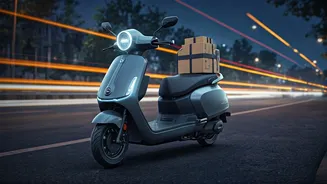
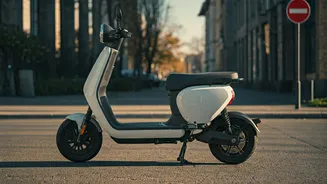
For India's burgeoning e-commerce, food, and grocery delivery sector, the decision to go electric is less about environmental idealism and more about pure economics. The key metric is the Total Cost of Ownership (TCO). While an electric two- or three-wheeler
may have a higher upfront purchase price, its running costs are significantly lower than its petrol-powered counterparts. With delivery vehicles often covering over 80-100 kilometres daily, the savings on fuel and maintenance are substantial. [5, 12] Studies show that an electric three-wheeler can have a TCO of ₹2.5–₹3.1 per km, compared to ₹3.5–₹4.2 for a diesel version. [5] This cost advantage is the primary force convincing fleet operators that green is also the colour of money. [5, 9, 20]
A Marriage of Corporate Convenience
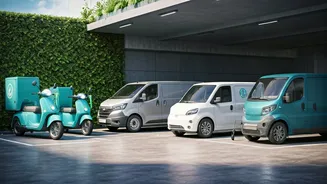
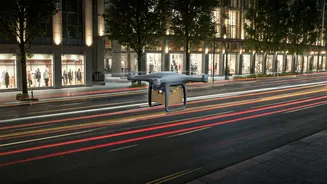
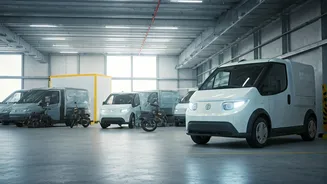
The goals of logistics giants and EV manufacturers have aligned perfectly. Companies like Amazon, Flipkart, Zomato, and Swiggy operate vast fleets and have predictable, high-utilisation routes—ideal conditions for EV deployment. [8, 13] These corporations also have ambitious sustainability targets, often driven by investor and consumer expectations. [7, 22] As a result, they have made bold commitments: Zomato and Flipkart have pledged to transition to 100% electric fleets by 2030, and Amazon plans to have 10,000 EVs in its Indian delivery fleet. [8, 12, 19] These large-scale commitments send a powerful demand signal to vehicle manufacturers, encouraging them to design and produce vehicles specifically for delivery use cases and helping the entire ecosystem to scale.
The Government's Policy Push
The government has been a crucial third partner in this transition. Policies like the Faster Adoption and Manufacturing of Electric Vehicles (FAME) scheme have provided financial incentives to both buyers and manufacturers. [8, 23] While the specifics of subsidies evolve, the policy direction remains clear: support the electrification of commercial transport. State governments in places like Delhi and Maharashtra have gone further, creating aggregator policies that mandate a certain percentage of new vehicle purchases by delivery services be electric. [14] More recent discussions point towards a potential $1 billion incentive program to boost private adoption of electric commercial vehicles, including buses and trucks, to reduce fossil-fuel dependence. [2, 3, 4, 17] This combination of central and state-level support has created a fertile ground for the commercial EV market to flourish.
Not Without Bumps in the Road
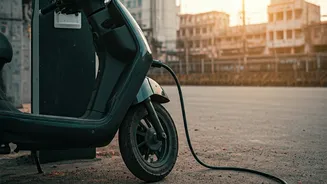
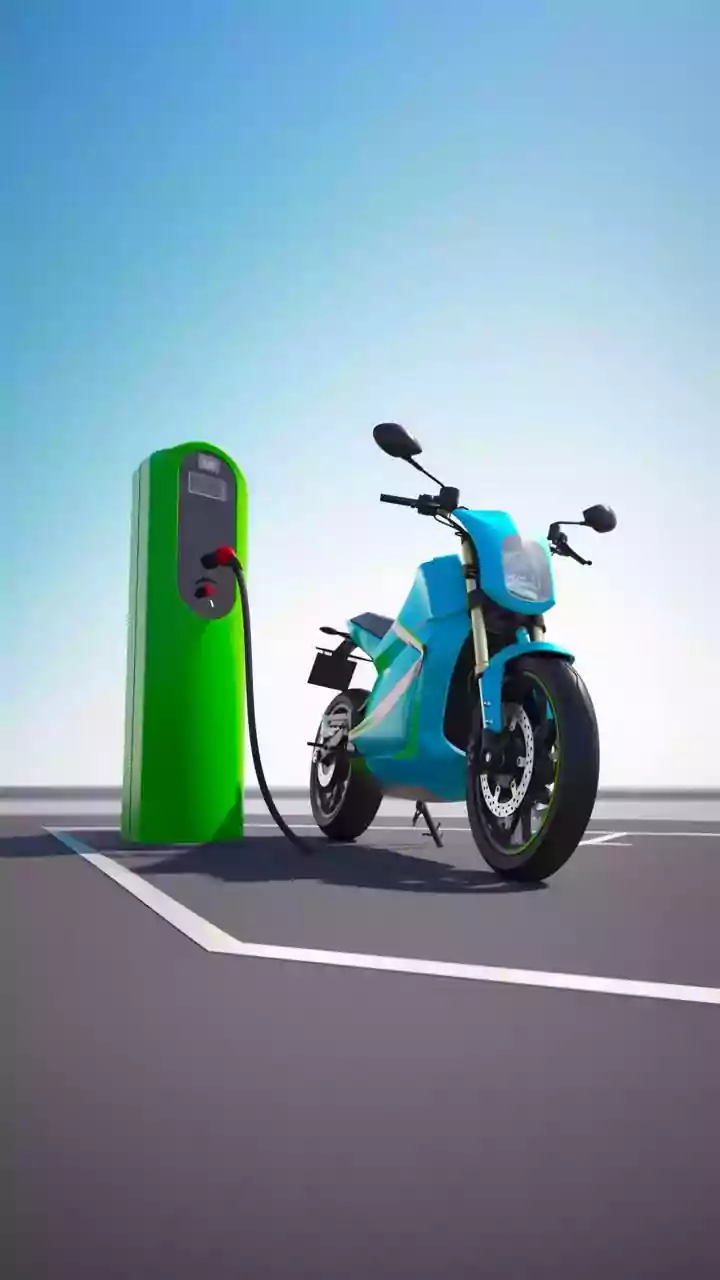
The transition hasn't been entirely smooth. The most significant hurdle remains India's charging infrastructure, which is struggling to keep pace with vehicle sales. [18, 25, 26] As of late 2025, India had a charger-to-EV ratio of approximately 1:235, far below global norms, creating a structural risk for fleet operators who depend on vehicle uptime. [18] This creates 'range anxiety' and operational bottlenecks, especially in Tier-II and Tier-III cities. [6, 26] To combat this, large players like Amazon are building their own on-site charging infrastructure at their delivery stations. [16] Other challenges include a dependency on imported battery components, navigating financing for gig workers, and ensuring the quality and safety of all vehicles on the road. [6, 25]