

A New Canvas for Old Crafts
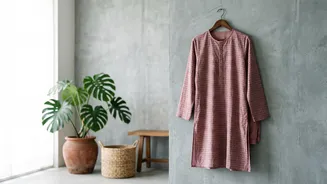
For generations, India's rich vocabulary of textile crafts was primarily associated with traditional wear like sarees, lehengas, and kurtas. While beautiful, their context was often ceremonial. Today, that context is exploding. Designers, both Indian
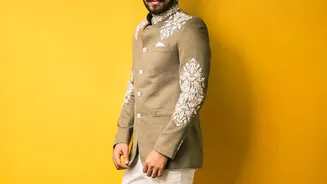
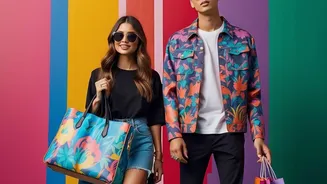
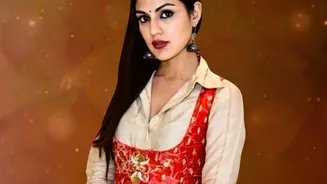
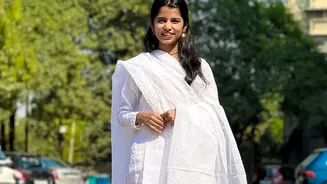
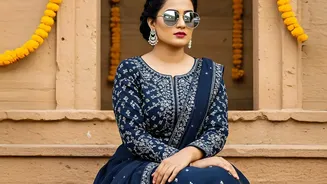
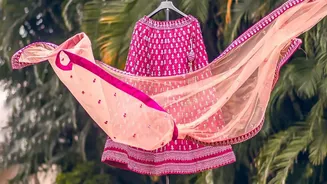
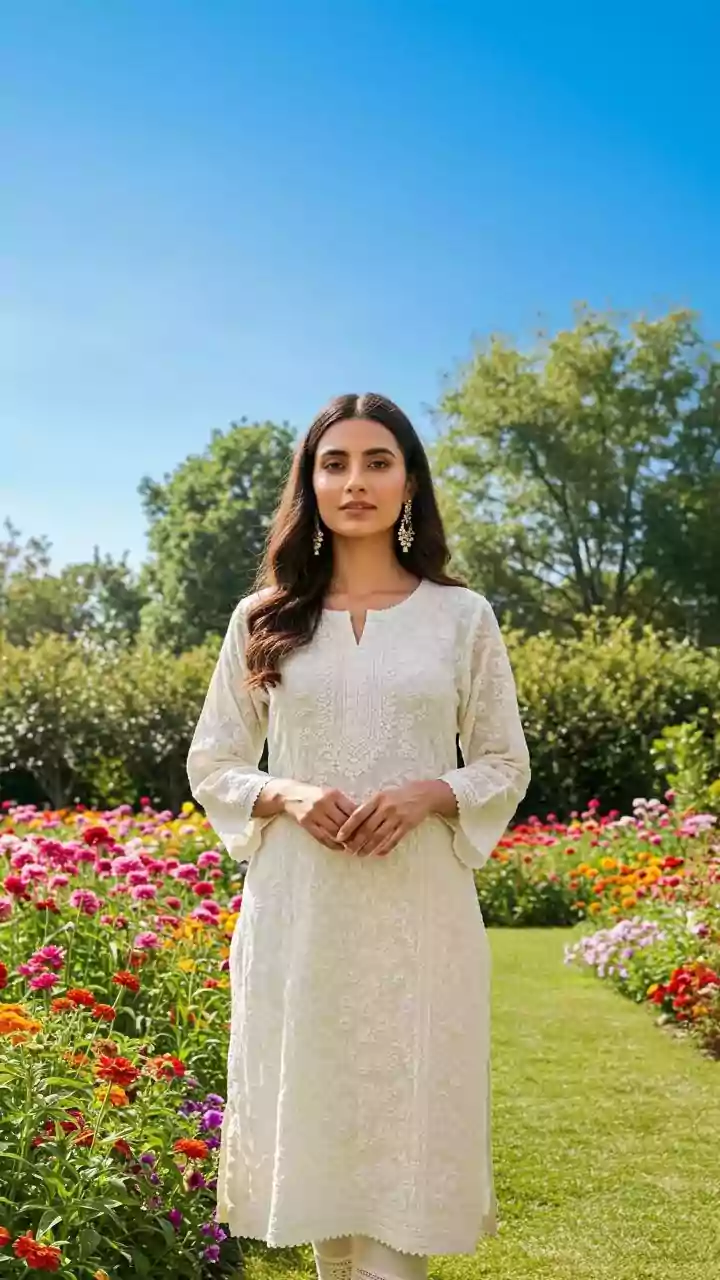
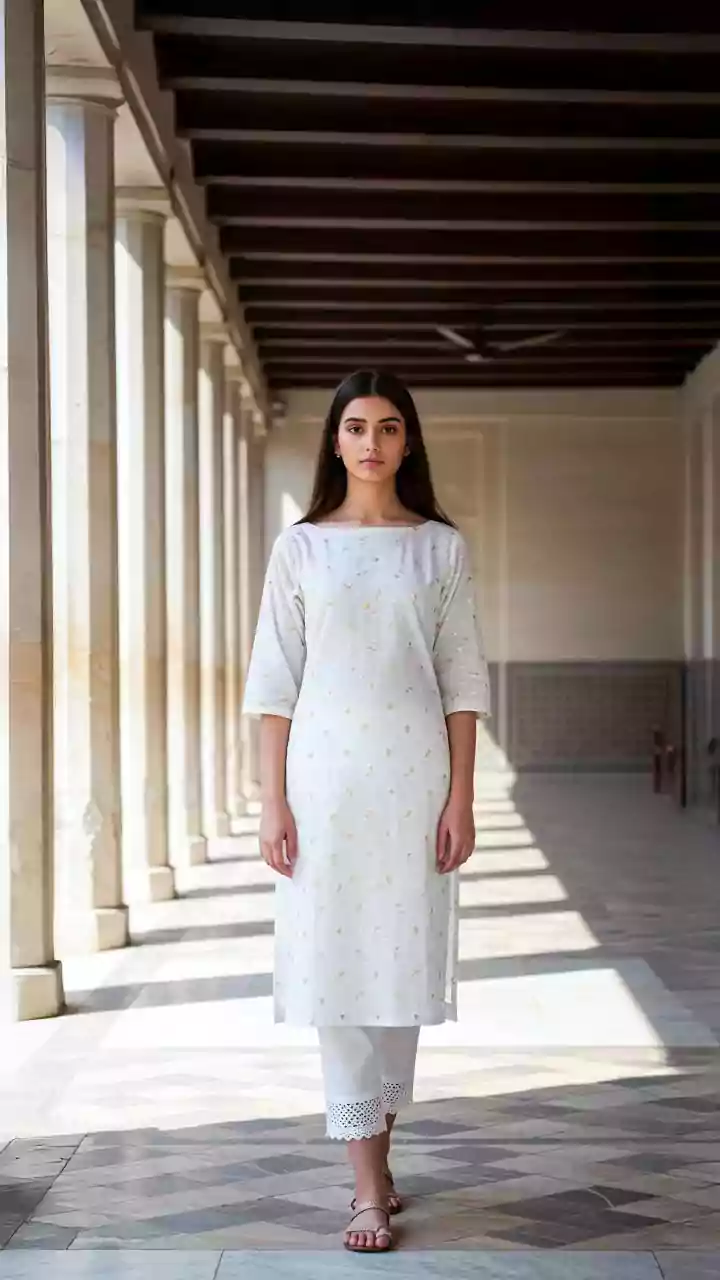
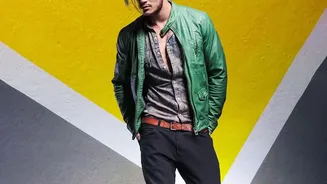
and international, are liberating these crafts from their conventional settings and applying them to decidedly modern, Western silhouettes. Imagine Lucknow's delicate Chikankari, once reserved for fine muslin, now adding a touch of elegance to casual denim or a bomber jacket. The royal art of Zardozi, with its metallic threads, is no longer just for bridal wear; it’s giving streetwear and sneakers a couture-level upgrade. Similarly, crafts like Rajasthani Gota Patti and Gujarati Bandhani are being reimagined on everything from pantsuits to resort wear, blending cultural heritage with a global fashion language.
The Rise of Conscious Consumerism
A significant force behind this trend is a global shift in consumer values. Shoppers worldwide, particularly younger generations, are turning away from the uniformity of fast fashion. There's a growing desire for clothing that tells a story and has a clear, ethical provenance. Indian handcrafted textiles answer this call perfectly. Each piece, with its subtle imperfections and handmade touch, offers a sense of authenticity that mass-produced items cannot replicate. This movement towards 'slow fashion'—valuing quality, sustainability, and craftsmanship over fleeting trends—has positioned Indian textiles as a beacon of mindful consumption. Consumers are increasingly seeking a connection to the products they buy, and a hand-embroidered garment carries the imprint of its maker, fulfilling a desire for uniqueness and heritage.
Economic Empowerment and Artisan Revival
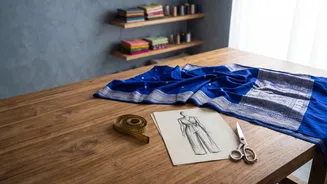
This creative renaissance is also a powerful engine for economic change. The growing demand for handcrafted details is breathing new life into artisan communities across India, providing them with sustainable livelihoods and a global platform for their skills. Designers are collaborating directly with craft clusters in regions like Kutch, Lucknow, and West Bengal, ensuring that generational skills are not only preserved but also adapted for a contemporary market. This partnership is mutually beneficial: designers gain access to unparalleled craftsmanship, while artisans gain economic independence and the validation that their work is relevant and celebrated on a global stage. This revival is turning a story of preservation into one of innovation and empowerment.
The Global Indian Influence
Indian designers are no longer just participating in the global fashion conversation; they are leading it. Figures like Sabyasachi Mukherjee, Rahul Mishra, and Gaurav Gupta have become staples at international fashion weeks and red-carpet events like the Met Gala, consistently placing Indian craftsmanship at the center of their acclaimed collections. Their success has created a ripple effect, inspiring a new generation of designers to confidently champion Indian textiles. At the same time, international luxury houses like Dior and Chanel have been sourcing intricate embroidery from Indian ateliers for years, a testament to the unparalleled skill of Indian karigars. This two-way exchange has normalized the presence of Indian craft in high fashion, making it aspirational for a global audience.
Social Media's Visual Megaphone
The visual-first nature of platforms like Instagram and Pinterest has played a crucial role in popularizing this trend. A designer can now showcase a piece of clothing—and the story of its creation—to a global audience instantly. An influencer pairing a Chikankari kurti with sneakers can spark a new styling movement that quickly goes viral. This digital exposure provides a direct line to consumers who are hungry for unique, visually compelling fashion. It allows smaller, artisan-led brands to compete with established names and helps diasporic communities and global shoppers discover and access these crafts more easily than ever before. Social media has effectively flattened the fashion world, turning regional crafts into global must-haves.