



In the wake of a devastating high-speed train collision south of Madrid, Spanish authorities are piecing together a catastrophic failure that has claimed dozens of lives and shaken public confidence in a system once hailed as a model of modern transport.
What We Know About the Collision
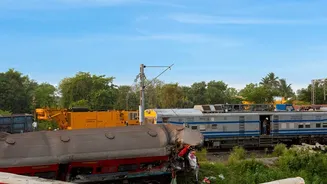
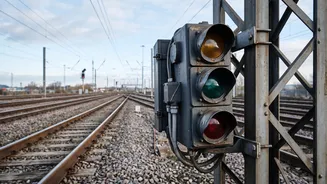
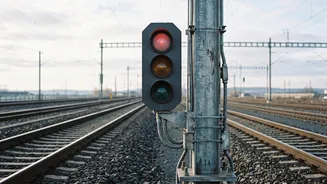
On the morning of October 28, a high-speed AVE train operated by state-owned Renfe crashed into the rear of a stationary train run by private operator Iryo near the town of Urda in Toledo province. Both trains were on the busy Madrid-Seville line. The collision resulted in 69 fatalities and left over 200 people injured. Initial reports suggest a failure in the automatic signalling and train protection system had halted several trains along a 63-kilometre stretch of track. Despite this, the Renfe train was reportedly authorized by a control centre to proceed, leading to the fatal impact with the stationary Iryo train ahead.
The Hunt for a Cause: Human Error vs. System Failure
The investigation is currently focused on a lethal combination of technical faults and human decisions. The core of the inquiry revolves around why the Renfe train was cleared to move at speed when the protection system was down and another train was stopped on the same track. The train's event recorders, or 'black boxes', are being analyzed to determine the exact speed at impact and the sequence of commands issued. The train drivers' union, SEMAF, has raised concerns, alleging that drivers had previously been given instructions that deviate from strict safety protocols during system failures. This has put the actions of the control centre under intense scrutiny, with investigators working to determine if this was an isolated, tragic mistake or indicative of a more systemic problem in operational procedures. In the political fallout, Spain's Transport Minister Óscar Puente has resigned, stating he could not remain in office after two major accidents in less than a year.
A Rail Network Under Scrutiny
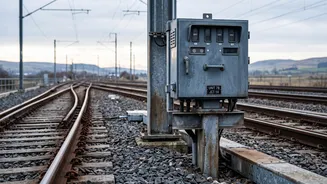
This tragedy is the second fatal incident on Spain's high-speed network in 2026, following a crash in January that killed 46 people on the same Madrid-Seville line. These events have sparked a national debate about the state of the country's rail infrastructure. While Spain's network is one of the most extensive in the world and has historically had a strong safety record, questions are now being raised about maintenance investment. Critics point to data suggesting that while the network has expanded, the budget for maintenance has not kept pace. Much of the network relies on a mix of signalling systems, including the older Spanish ASFA system and the modern European Rail Traffic Management System (ERTMS). The push to fully implement the interoperable ERTMS system across Europe by 2050 is ongoing, but incidents like this highlight the critical risks during the transition period when multiple systems are in use.
The Path to Restoring Trust
In response to the crash and mounting public pressure, the government has vowed to restore shattered confidence in the rail system. Prime Minister Pedro Sánchez has pledged full support for the investigation. The transport ministry has already announced new safety measures, including software upgrades for control centres to provide automatic alerts and a 'two-person rule' requiring a second operator to validate any decision made during a system outage to minimize the chance of human error. However, unions have criticised these moves as potentially scapegoating a single operator for what they see as deeper issues, including deteriorating working conditions. They have called for strikes to demand more robust safety protocols and investment. For a nation that has prided itself on its high_speed rail, the road ahead involves not just a technical investigation but a fundamental reassessment of its investment priorities and safety culture to ensure such a disaster never happens again.