




An Unexpectedly Perfect Match
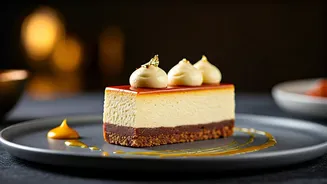
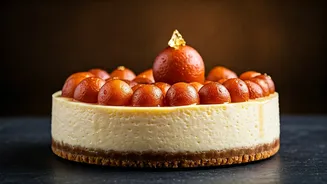
On paper, it sounds almost audacious. Take the beloved gulab jamun—a soft, spongy sphere of fried milk solids soaked in fragrant, sugary syrup—and embed it within the rich, tangy creaminess of a Western-style cheesecake. One is a pillar of mithai shops,
dripping with tradition and nostalgia. The other is a symbol of globalised café culture. Yet, when they come together, something magical happens. The intense sweetness of the jamun is beautifully cut by the sharp, cool cheesecake, while its spongy texture provides a delightful surprise within the dense, smooth base. It’s a dessert that hits multiple notes at once: sweet, tangy, creamy, and syrupy. It’s a textural and flavourful journey in every single spoonful.
The Rise of a Culinary Star
The Gulab Jamun Cheesecake didn't emerge from a single chef's divine inspiration. Instead, it was born from a collective wave of culinary creativity that swept across India over the last decade. As modern Indian restaurants and home bakers began experimenting, they looked for ways to reinvent familiar classics for a new generation. The cheesecake, with its versatile, almost blank-canvas nature, proved to be the perfect vessel. Early versions popped up on progressive restaurant menus in Mumbai and Delhi, quickly becoming a word-of-mouth sensation. Soon, it wasn't just a high-end novelty. It became a staple in local bakeries, a star on wedding menus, and a go-to order for celebrations. Its rise was organic, driven not by a marketing campaign but by pure, unadulterated public adoration.
Decoding the Nationwide Appeal
So, why has this particular dessert captured the nation’s heart? The answer lies in its brilliant balancing act. For the older generation, the familiar taste of gulab jamun offers a comforting dose of nostalgia. For younger Indians, the cheesecake format feels modern, sophisticated, and globally relevant. It’s the perfect compromise at a family dinner table, satisfying both the traditionalist uncle and the niece who follows global food trends on Instagram. And speaking of Instagram, the dessert is incredibly photogenic. The sight of a rich, golden-brown gulab jamun nestled in a pristine white cheesecake is made for social media feeds, which further fuelled its meteoric rise. It’s a dessert that manages to be both familiar and exciting, a rare feat in the culinary world.
More Than Just a Sweet Treat
The success of the Gulab Jamun Cheesecake is about more than just taste. It is a delicious symbol of a confident, modern India. It reflects a culture that is deeply proud of its culinary heritage but also open, playful, and willing to borrow from the world. This isn't about diluting Indian flavours to make them more 'palatable' for a global audience; it's about taking a global format and making it unapologetically Indian. The dessert asserts that our flavours are bold enough to be the star of any show. It represents a generation that moves seamlessly between tradition and modernity, finding joy in the fusion of both worlds. It’s a testament to the idea that our identity isn’t static but is constantly evolving, becoming richer and more complex with every new influence.
The Sweet Future of Fusion
The phenomenal success of this cheesecake has kicked the door wide open for an entire genre of Indian fusion desserts. We now see Rasmalai Tiramisu, Motichoor Ladoo Parfaits, Jalebi with White Chocolate Rabri, and Thandai Panna Cotta appearing on menus. Chefs and home cooks are no longer hesitant to experiment, knowing there's a hungry audience for their creations. The Gulab Jamun Cheesecake didn't just become a star; it created a whole new constellation. It proved that fusion isn't a fleeting trend but a permanent and exciting evolution of Indian cuisine. It’s a movement that embraces creativity and celebrates the endless possibilities that emerge when culinary worlds collide.