



A Landmark Shift in Buyer Preference
For the first time in India's automotive history, the combined sales of alternative fuel vehicles—comprising Compressed Natural Gas (CNG), electric vehicles (EVs), and hybrids—overtook petrol cars in August 2026. Data shows these alternatives captured
a collective market share of nearly 42%, narrowly edging out petrol's 41%. This milestone doesn't signal the end of petrol's reign, as it remains the single most popular fuel type. However, it marks a significant psychological and market shift, confirming that the Indian car buyer's journey is no longer a simple two-way street. The decision-making process now involves a wider array of choices, each with its own set of economic and practical considerations.
The Practical Choice: CNG’s Silent Rise
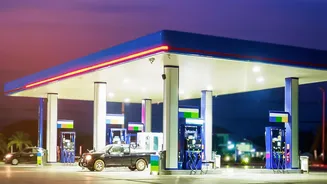
While electric vehicles often dominate the headlines, it is CNG that has become the undisputed star of the alternative fuel space. In August 2026, CNG vehicles alone accounted for over 25% of all passenger vehicle sales, a significant jump from previous years. This surge is driven by simple economics: lower running costs compared to petrol and diesel. With an expanding network of filling stations and a growing portfolio of factory-fitted CNG models from major manufacturers like Maruti Suzuki and Tata Motors, it has become the go-to choice for cost-conscious consumers seeking immediate savings without the range anxiety associated with EVs. This trend is visible not just in big cities but also in rural markets, indicating a widespread shift.
The Future Beckons: EVs and Hybrids
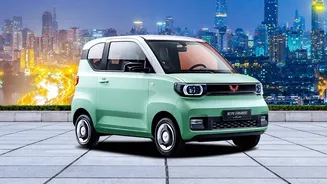
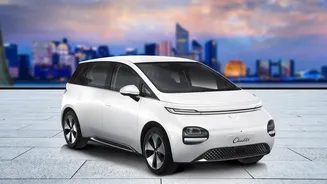
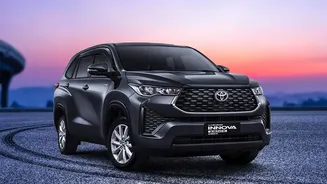
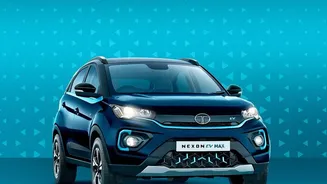
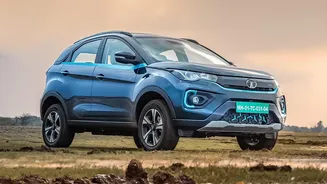
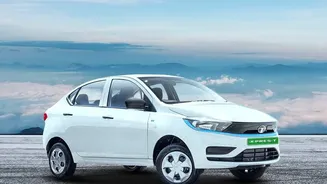
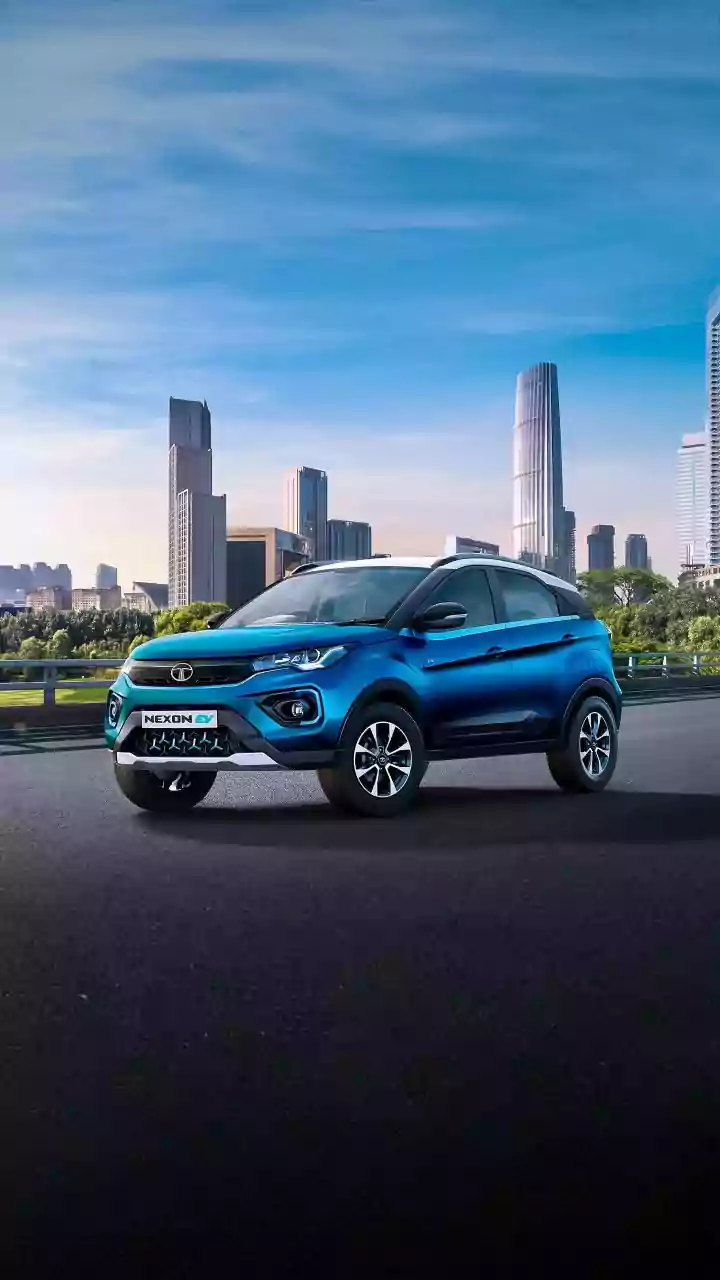
The push towards electrification is undeniable, backed by government incentives like the FAME-II scheme and a growing sense of environmental awareness. EV sales have shown impressive year-on-year growth, climbing to a market share of around 7.7% in August 2026. Automakers like Tata Motors continue to lead the charge, but competition is intensifying as more players enter the segment. However, challenges remain, including high upfront costs and concerns about charging infrastructure. Filling this gap are hybrid vehicles, which have carved out a solid niche. Offering improved fuel efficiency without requiring a plug, hybrids accounted for roughly 9% of sales in August 2026. They serve as a crucial bridge technology for buyers who want better mileage but are not yet ready to commit to a fully electric lifestyle.
Why This Fragmentation is Happening Now
Several factors are converging to create this multi-powertrain landscape. Stricter emission norms like BS-VI made diesel engines more expensive, pushing many buyers towards petrol and other alternatives. Volatile petrol prices have made the lower running costs of CNG and the efficiency of hybrids more attractive. At the same time, some consumer hesitation around the rollout of ethanol-blended petrol (E20) has also nudged buyers to explore other options. Automakers, uncertain about which technology will ultimately win out, are hedging their bets by investing in a diverse portfolio of petrol, CNG, hybrid, and electric models. This strategy of offering 'optionality' allows them to cater to a fragmented market where different customers have different priorities, from running costs and convenience to performance and environmental impact.