





The Physics of a Fiery Return
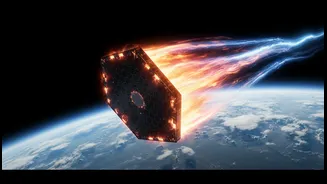
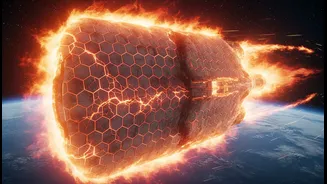
When a spacecraft re-enters the atmosphere, it isn't friction from air particles that creates the most intense heat. Instead, the incredible speed of the module—up to 25,000 mph—compresses the air in front of it faster than the air can get out of the way.
This rapid compression creates a shockwave of superheated plasma that can reach nearly 5,000 degrees Fahrenheit (about 2,760 degrees Celsius). Without protection, a spacecraft's structure would melt in minutes. The job of a Thermal Protection System (TPS), or heat shield, is to manage this immense thermal load, slowing the vehicle down and keeping the astronauts inside at a comfortable room temperature.
The Ablative Answer: A Sacrificial Shield
Modern crewed modules primarily rely on a brilliantly counterintuitive idea: a heat shield that strategically burns away. This is called an ablative heat shield. These shields are made from materials, often a plastic resin, that char, melt, and vaporise in a controlled manner when exposed to extreme heat. As the outer layer burns away, it carries the intense heat with it, preventing it from soaking into the spacecraft's structure. Furthermore, the process of vaporisation, called pyrolysis, creates a boundary layer of gas. This gas effectively pushes the scorching plasma away from the vehicle, providing an additional layer of insulation. This sacrificial approach has been a mainstay since the Apollo missions and is used on today's most advanced capsules.
Meet the Next-Gen Materials: Avcoat and PICA
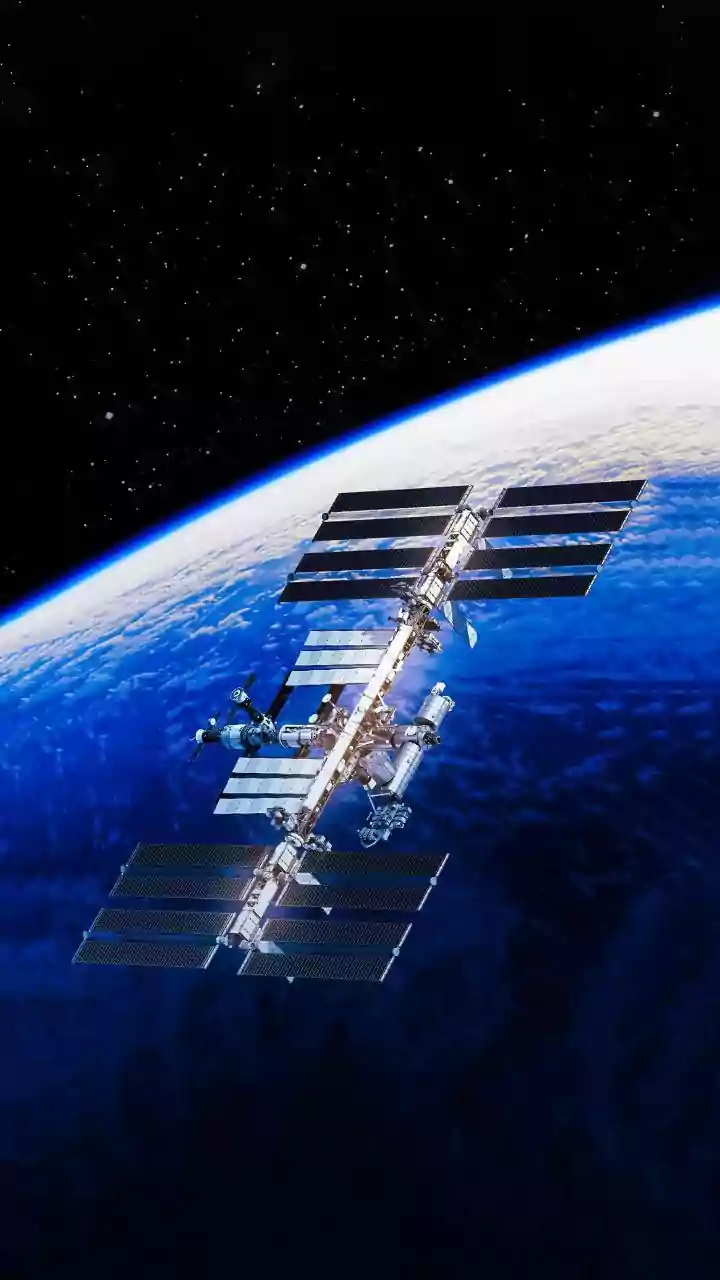
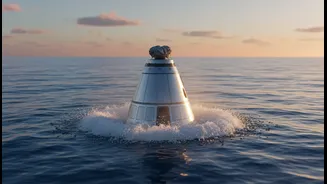
Two materials dominate the current generation of ablative heat shields: Avcoat and PICA. NASA's Orion spacecraft, designed for deep-space Artemis missions to the Moon, uses a shield made of Avcoat. This material, a modern formulation of the one used on the Apollo command modules, consists of silica fibres in an epoxy resin, packed into a honeycomb structure. It is applied in blocks and is exceptionally robust. SpaceX's Dragon capsule, which ferries astronauts to the International Space Station, uses a proprietary version of PICA (Phenolic Impregnated Carbon Ablator) called PICA-X. PICA is a lightweight carbon-based material that is very efficient at high temperatures. While both are ablative, the key differences lie in their composition, weight, and manufacturing processes, with engineers selecting the best fit for a specific mission's requirements.
The Challenge of Reusability: The Space Shuttle and Starship
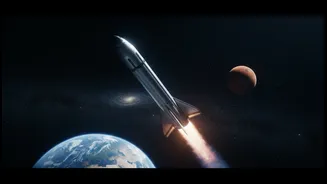
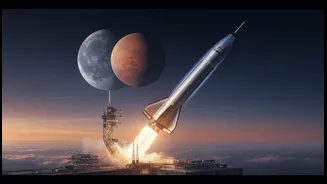
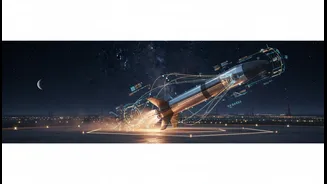
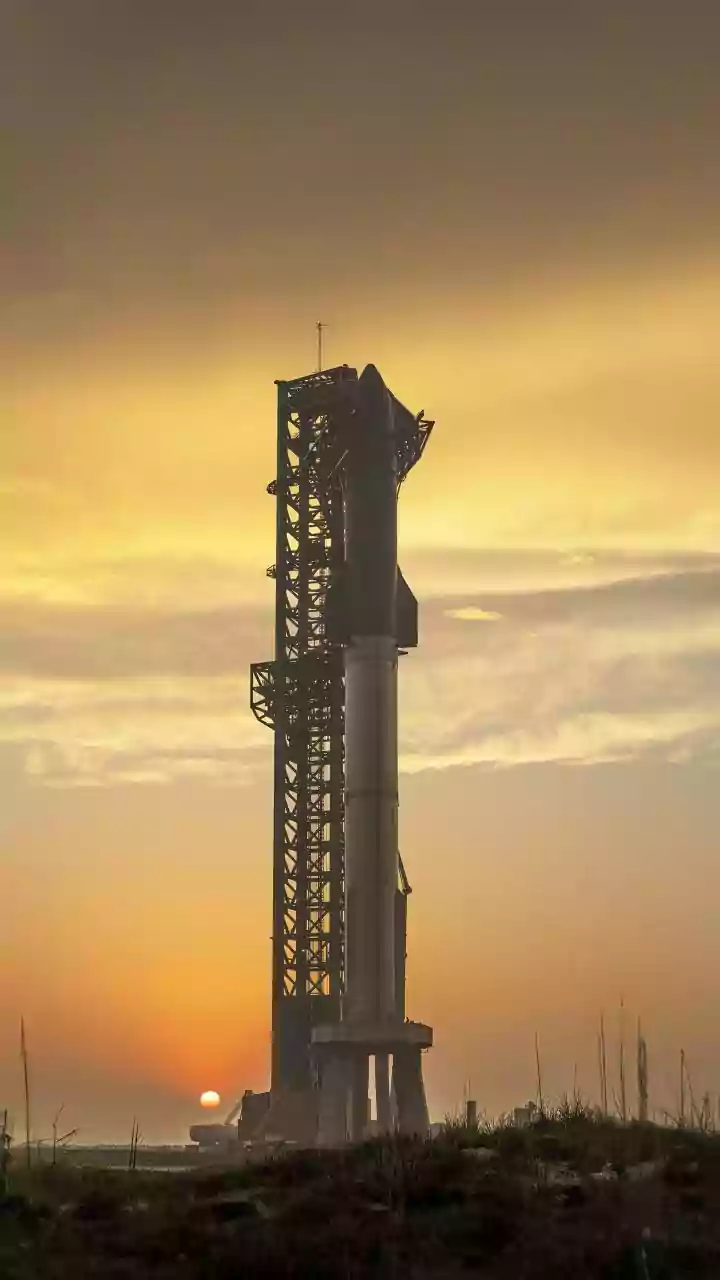
Ablative shields are generally for one-time use, which is a major hurdle for a future of frequent, affordable spaceflight. The Space Shuttle pioneered a different approach with a reusable TPS, using thousands of silica-based tiles that absorbed and radiated heat away. This system, while groundbreaking, required extensive and costly refurbishment between flights. Today, SpaceX is advancing the reusable concept with its Starship vehicle. Its shield is composed of more than 18,000 hexagonal, black silica ceramic tiles designed to withstand re-entry temperatures of over 2,600°F (1,400°C) with minimal maintenance. The evolution from single-use ablative shields to robust, reusable tiles represents a critical step toward making space travel more sustainable and routine.
Learning from Every Flight
Developing these systems is a constant process of refinement. Following the uncrewed Artemis I mission, engineers found that the Avcoat on the Orion heat shield wore away in some unexpected ways, with chunks breaking off rather than charring smoothly. This was traced to gases building up pressure inside the material. In response, NASA has refined the manufacturing process to ensure the material is more consistent and allows these gases to vent properly, ensuring the safety of the Artemis II crew. Similarly, SpaceX continuously gathers data from its Starship test flights, using cameras on deployed satellites to photograph the heat shield during re-entry and even installing special sensor tiles to measure pressure. Each mission provides invaluable data to improve the next generation of thermal protection.