




The Protein Boom Meets a Flavour Crisis
India's healthy snack market is on a rapid growth trajectory, projected to reach significant new heights in the coming years. This surge is driven by a growing middle class, increased health awareness, and a stark realisation that a majority of Indian
diets are protein-deficient. Initially, the response from snack makers was to import Western-style protein bars and shakes, primarily using whey. However, these products often missed the mark. With bland flavours and unfamiliar textures, they appealed to a niche gym-going audience but failed to capture the mainstream snacker who craved the familiar, savoury, and spicy notes of Indian food. The result was a market full of functional but unexciting options, creating a massive opportunity for brands that could bridge the gap between nutrition and taste.
An Untapped Goldmine: India's Culinary Heritage
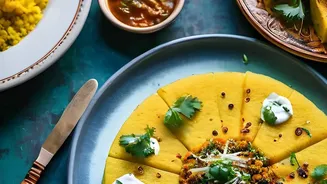
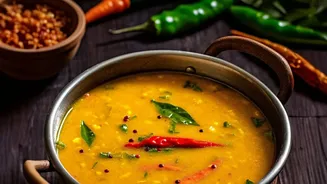
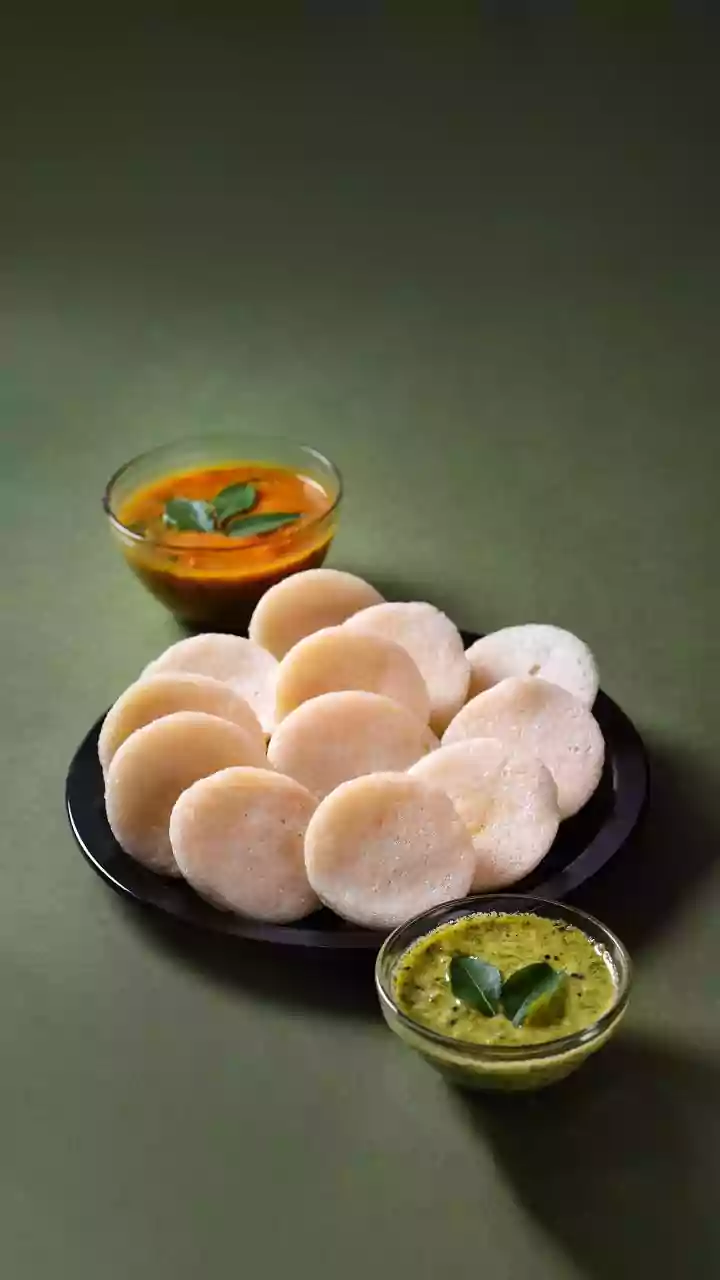
The answer, it turns out, was hiding in plain sight. For centuries, Indian regional kitchens have been creating snacks that are naturally rich in protein. From the sattu (roasted gram flour) of Bihar and Uttar Pradesh, which packs around 20 grams of protein per 100g, to the humble roasted chana (chickpeas) and moong dal preparations enjoyed nationwide, the foundation was already there. South Indian staples like idli and dosa, made from fermented rice and lentil batter, offer a powerful protein punch. Paneer bhurji, peanut chikki, and makhana (fox nuts) are other traditional powerhouses that have been part of the Indian diet for generations. This incredible diversity represents a treasure trove of flavours, textures, and ingredients that are not only protein-rich but also deeply ingrained in the nation's culinary memory.
From Kitchen Secret to Commercial Hit
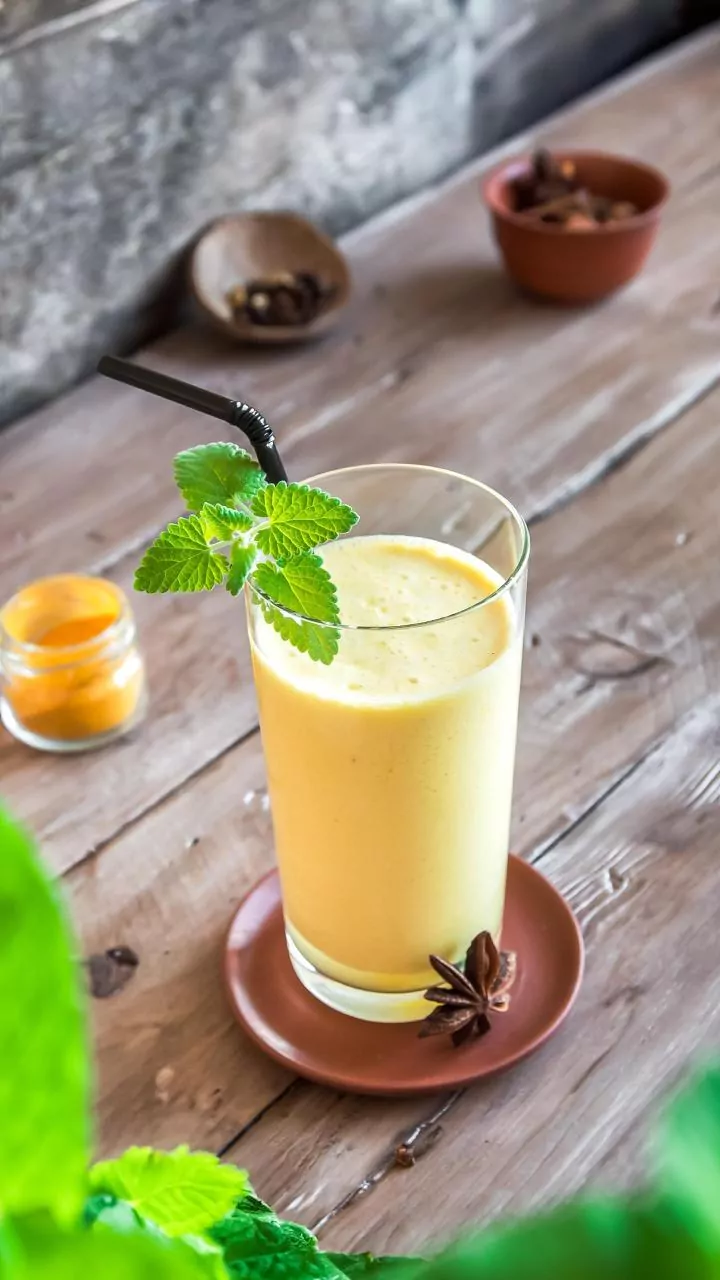
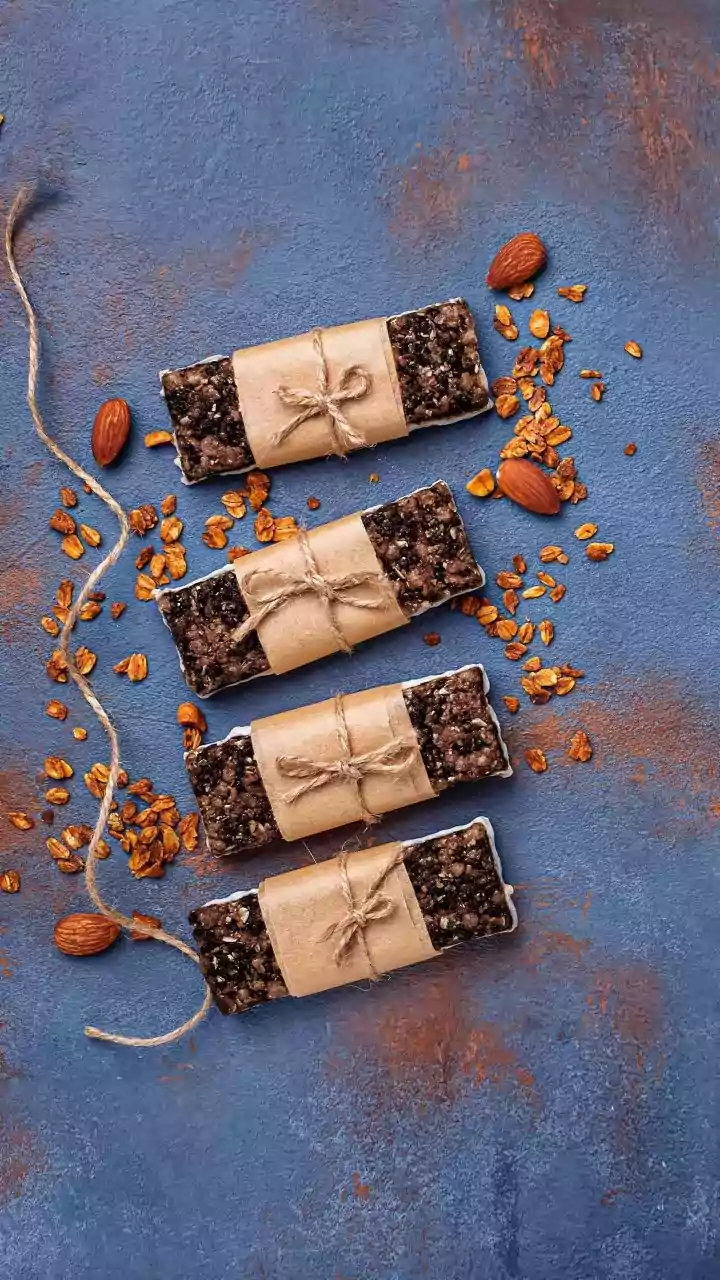
Forward-thinking brands have started to connect the dots, transforming these regional recipes into convenient, modern snack formats. The market is now seeing an influx of products that feel both new and nostalgic. Companies are launching protein chips made from chickpeas and lentils, directly competing with traditional namkeens but with a healthier profile. Sattu is being reimagined into ready-to-drink shakes and protein bar fillings. The beloved peanut chikki is inspiring a new generation of date and nut bars, sweetened with jaggery instead of refined sugar to appeal to clean-label seekers. Even traditional grains and pulses are being turned into crunchy, savoury snacks that offer the satisfying crunch Indians love, but with the added benefit of high protein and fibre. This shift is largely driven by plant-based proteins, which dominate the Indian market due to a large vegetarian population.
The Powerful Appeal of Authenticity
This trend is about more than just satisfying a flavour preference. For the modern Indian consumer, authenticity signals trust. There is a growing belief that traditional ingredients are more natural and healthier than their highly processed Western counterparts. A recent report highlighted that a vast majority of Indian consumers prioritize protein in their snacks, and a significant portion are willing to pay more for it. This consumer is also savvier, reading ingredient labels and favouring products with natural sweeteners like dates and jaggery. Tapping into regional recipes allows brands to build an emotional connection based on nostalgia and regional pride, making a protein snack feel less like a supplement and more like a comforting, familiar treat. It's a powerful fusion of modern wellness goals and timeless tradition.
Challenges and the Road Ahead
Despite the immense potential, this path is not without its hurdles. Scaling traditional, often handmade, recipes to mass production while maintaining authentic taste and quality is a significant operational challenge. Sourcing high-quality regional ingredients consistently and managing supply chains can be complex. Furthermore, many of these ingredients, while nutritionally superior, require consumer education to justify their premium price point. Brands must navigate the fine line between innovation and preserving the integrity of recipes that have been cherished for generations. The future will likely belong to companies that can successfully balance these elements—combining the wisdom of the past with the convenience and nutritional science of the present.