




Why Millets Are a Morning Game-Changer
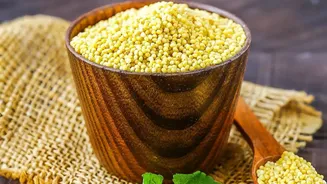
Millets like ragi (finger millet), jowar (sorghum), and bajra (pearl millet) are ancient Indian grains experiencing a major comeback, and for good reason. They are nutritional powerhouses, packed with essential nutrients. Millets are rich in dietary fibre,
which aids digestion, promotes gut health, and helps you feel fuller for longer, curbing mid-morning snack cravings. They are also a fantastic source of plant-based protein and complex carbohydrates, providing a slow, sustained release of energy that prevents the dreaded sugar crash. Furthermore, these grains are loaded with vital minerals like magnesium, iron, and phosphorus. Ragi, in particular, is renowned for its high calcium content, making it excellent for bone health. Being naturally gluten-free, they are a superb choice for anyone with gluten intolerance or celiac disease.
The Crucial Step: Soaking and Cooking
You can't just toss raw millet grains into your blender. To unlock their nutrients and ensure they are easily digestible, they must be cooked first. Using raw millet flour is also not recommended as it can carry bacteria. The best practice is to soak the whole grains overnight. This process helps break down phytic acid, an enzyme inhibitor that can interfere with digestion. After soaking, rinse the millets well, then cook them with water until tender. A common ratio is one part millet to three parts water. Simmer for about 15-20 minutes until the grains are soft and have absorbed the water. Once cooked, let the millet cool completely. You can prepare a batch and store it in the refrigerator for a few days to make your morning smoothie prep even faster.
Choosing the Right Millet
While most millets work well, some have specific benefits that might suit your needs. Ragi (Finger Millet) has a nutty flavour and is a calcium hero, perfect for growing kids and adults alike. Jowar (Sorghum) is rich in fibre and promotes heart health. Bajra (Pearl Millet) is a storehouse of energy and is known to build immunity. Foxtail, Kodo, and Barnyard millets are also excellent choices, known for regulating blood sugar levels and being easy on the stomach. You can start with one type or even use a multi-millet mix. Many people begin with millet flour (cooked into a porridge first) before moving to whole grains, as it creates a very smooth texture.
How to Build Your Perfect Millet Smoothie
Once you have your cooked millet ready, crafting the perfect smoothie is simple. A good starting point is to use about 1/4 to 1/2 cup of cooked millet per serving. Combine the cooked millet in a blender with your favourite ingredients. For creaminess and natural sweetness, add a ripe banana. For a liquid base, you can use regular milk, yoghurt, or plant-based alternatives like almond or coconut milk. From there, the possibilities are endless. Add fruits like berries, mango, or apple for flavour and vitamins. A spoonful of peanut butter or a handful of soaked nuts adds healthy fats and extra protein. For sweetness, a few dates or a drizzle of honey works well. Finally, spices like cinnamon or cardamom can add a wonderful warmth and aroma.
Three Simple Recipes to Get You Started
1. Ragi-Banana Power Smoothie: Blend 1/4 cup cooked ragi, 1 ripe banana, 1 cup of milk, 4-5 soaked almonds, and a pinch of cardamom powder. This classic combination is great for bone strength and sustained energy. 2. Tropical Foxtail Millet Smoothie: Combine 1/4 cup cooked foxtail millet, 1/2 cup chopped mango, 1/2 cup pineapple, and 1 cup of coconut water. This version is refreshing, hydrating, and great for digestion. 3. Chocolate Bajra-Nut Smoothie: Mix 1/4 cup cooked bajra, 1 cup of almond milk, 1 tablespoon of cocoa powder, 1 tablespoon of peanut butter, and 1–2 seedless dates. This rich, chocolatey smoothie feels like a treat but is packed with energy–boosting nutrients.