




The Comfort Food Revival
There’s a noticeable shift happening in our kitchens. Faced with rising food inflation, many are turning away from costly dining out and rediscovering the satisfaction of making meals at home. This isn't just about tightening belts; it's a conscious return
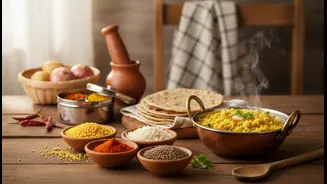
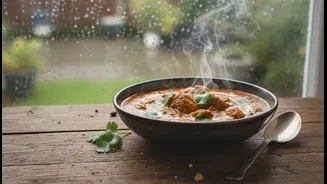
to the foods that make us feel good. We're talking about the simple, soul-warming classics: a hearty bowl of dal, flavourful rajma chawal, or a perfectly spiced khichdi. These dishes are not only budget-friendly, relying on staples like lentils and rice, but they also carry a powerful dose of nostalgia, connecting us to family, childhood, and a sense of security. In a fast-paced world, the slow, deliberate act of cooking and enjoying a familiar meal offers a powerful antidote to daily stress.
The Undeniable Benefits
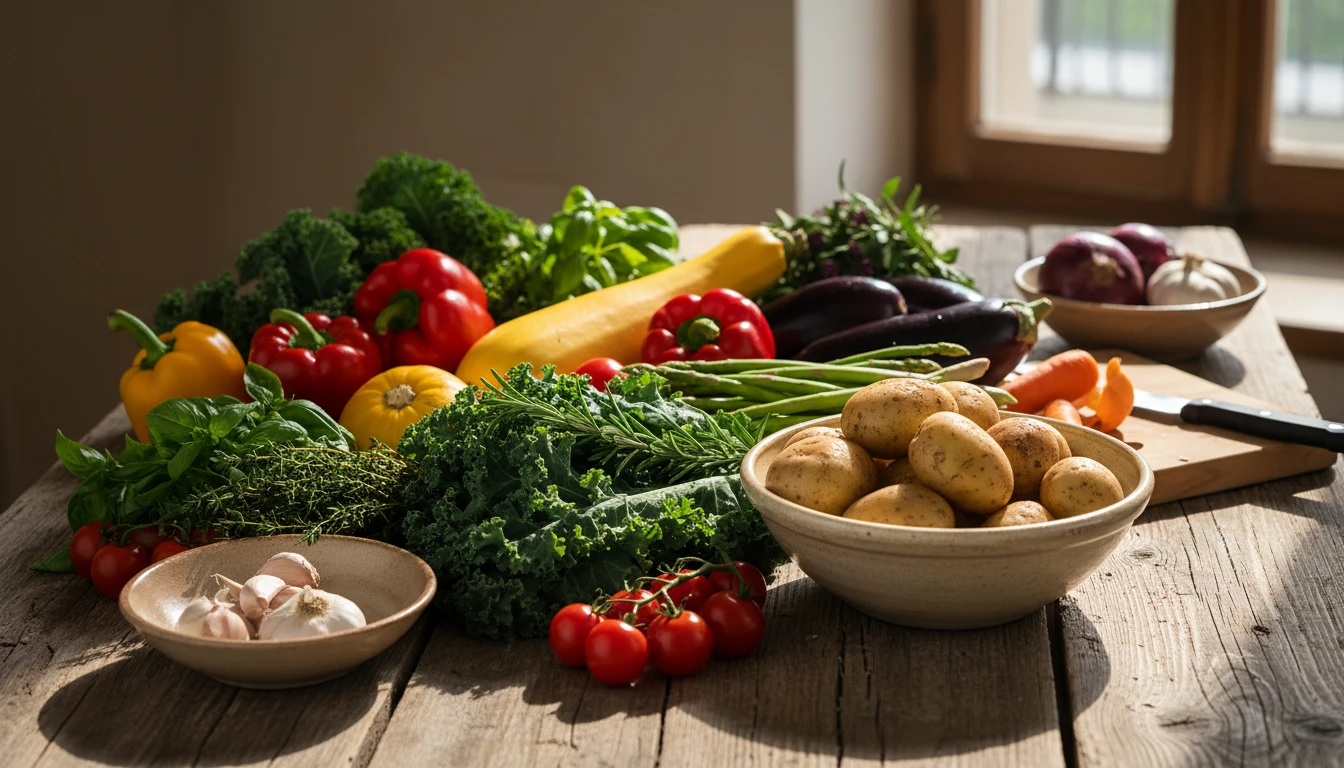
The most obvious benefit of embracing budget comfort food is financial. Cooking with staples like pulses, seasonal vegetables, and grains is significantly cheaper than ordering in or eating at restaurants. But the advantages go far beyond the wallet. Psychologically, comfort foods can provide a genuine mood boost and a feeling of security, reminding us of happy times and social connections. The act of cooking itself can be a mindful, relaxing practice. Furthermore, preparing your own meals gives you complete control over what goes into them. You decide the quality of the ingredients, the amount of oil, and the level of spice, which is a significant step toward a healthier lifestyle.
The Hidden Health Risks
While comforting, many traditional recipes can be a trap if not approached mindfully. These dishes are often high in refined carbohydrates, unhealthy fats, and sodium. Think of buttery naan, fried samosas, or curries made with generous amounts of ghee and cream. Over-indulging in these high-calorie foods can lead to weight gain and other metabolic issues. A diet heavy in high-fat or high-sugar comfort foods can become a cycle, where the temporary mood lift leads to repeated consumption and potential health consequences down the line. The key is to be aware that 'comfort' shouldn't come at the cost of long-term well-being.
Your Smart and Healthy Takeaway
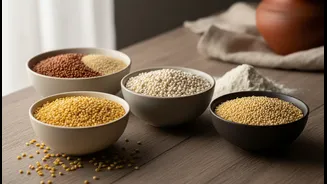
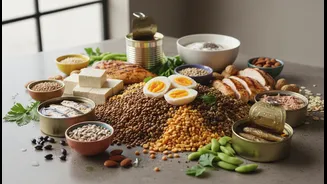
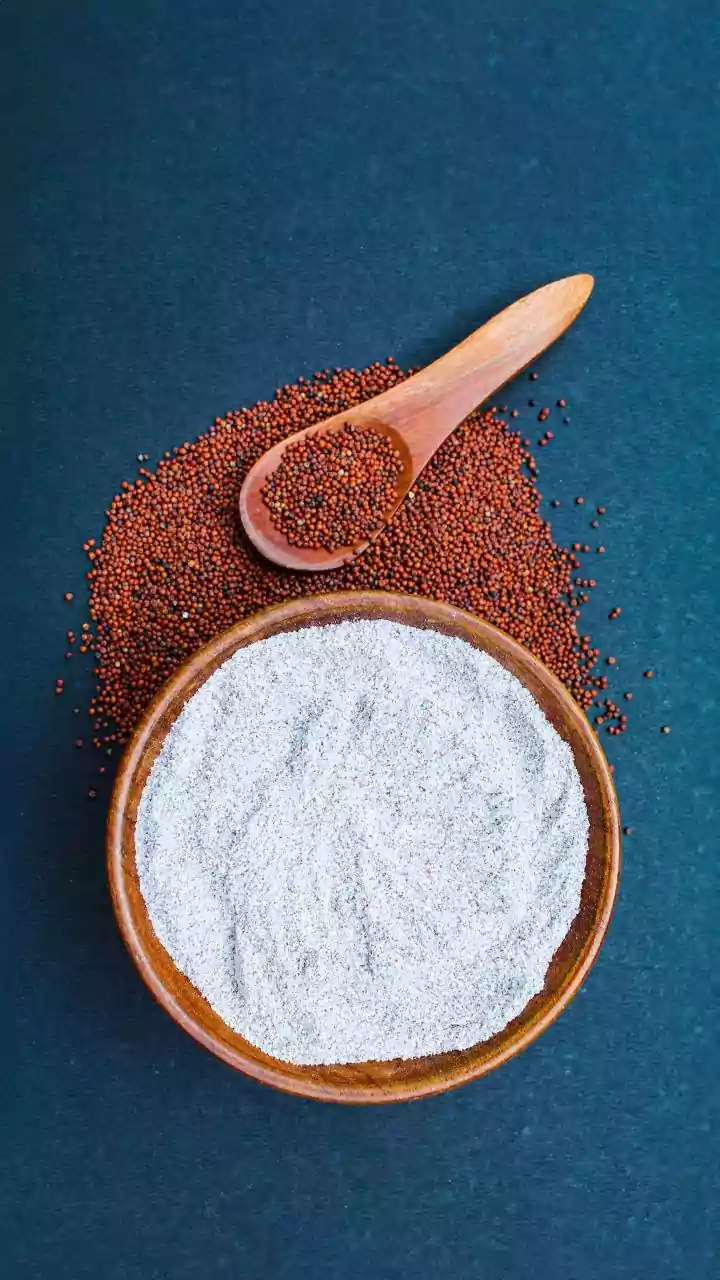
The good news is that you don't have to give up your favourite comfort foods to stay healthy. It's all about making smart swaps. Instead of white rice, try incorporating nutritious millets or brown rice. Bulk up your meat or paneer curries with extra vegetables and lentils to add fibre and nutrients. When making dal, you can achieve a creamy texture by slow-cooking it, which reduces the need for heavy cream or butter. Opt for whole-wheat chapatis instead of refined-flour naans, and consider baking or air-frying snacks like samosas instead of deep-frying them. Using flavourful spices like turmeric, ginger, and cumin not only adds taste but also brings anti-inflammatory benefits. These small adjustments allow you to enjoy the soulful satisfaction of comfort food without compromising your health goals.