







What Is New: Recent Rule Changes
The Directorate General of Civil Aviation (DGCA) has introduced several passenger-friendly rules in 2026 to enhance transparency and convenience. One of the most significant is a 48-hour free-look period, effective March 26, 2026. This allows you to cancel
or amend a flight booking within 48 hours without the airline charging a fee, provided the flight is at least seven days away for domestic travel and 15 for international. Another key change targets seat selection. Airlines must now offer at least 60% of their seats for free, putting an end to the practice of charging for almost every seat. Additionally, rules now mandate that passengers booked on the same PNR (booking reference) must be seated together. The DGCA also reinforced refund timelines, requiring airlines to process refunds within seven days for card payments and 14 working days for bookings made via travel agents. Airlines can no longer force passengers to accept credit shells instead of a monetary refund.
What Matters: Your Core Rights
Knowing your fundamental rights under the DGCA's Civil Aviation Requirements (CAR) is your best tool during a disruption. These aren't suggestions; they are binding regulations. For flight cancellations where you're notified less than two weeks in advance, you are entitled to a choice: a full refund or an alternative flight. If you are informed less than 24 hours before, you may also be entitled to compensation ranging from ₹5,000 to ₹10,000, depending on the flight's block time. In cases of denied boarding due to overbooking, the compensation is even higher: up to 400% of the base fare (capped at ₹20,000), plus a full refund or an alternate flight. For delays, the airline's 'duty of care' kicks in. If your flight is delayed by two hours or more, you are entitled to free meals and refreshments. If the delay extends overnight, the airline must provide hotel accommodation and transport. This duty of care applies regardless of the reason for the delay, even weather.
What Remains Unclear: The Grey Areas
Despite a robust framework, ambiguities persist. The most significant grey area is the term 'force majeure' or 'extraordinary circumstances'. Airlines are exempt from paying monetary compensation for disruptions caused by factors beyond their control, such as severe weather, political instability, or Air Traffic Control restrictions. However, airlines sometimes classify routine technical snags or crew scheduling problems under this clause to avoid payouts. The DGCA's stance is that issues like regular maintenance are the airline's responsibility, but disputes on this front are common. Another point of confusion is how compensation and rights apply to connecting flights, especially when operated by different carriers. The current rules primarily focus on point-to-point travel, leaving passengers on multi-leg journeys in a vulnerable position if a delay on the first leg causes them to miss their connection. Finally, while the rules for downgrades (being moved to a lower class of travel) exist, the process for claiming reimbursement is often not clearly communicated by airlines, leading to passenger grievances.
How to Claim Your Rights
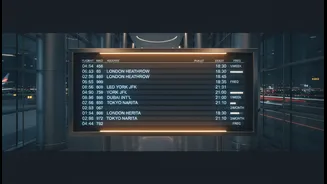
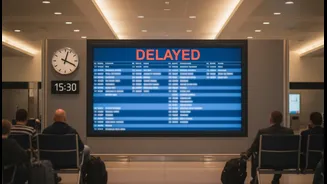
Knowledge is only powerful when acted upon. If you face a disruption, first address the issue with the airline's ground staff calmly but firmly, stating the specific DGCA rule you believe applies. Document everything: keep your boarding pass, take photos of the departure board, and save all email or text notifications from the airline. If the airline's staff are unresponsive, escalate the issue through the airline’s official grievance channels. If you still don't receive a satisfactory resolution, your next step is to file a complaint on the government's AirSewa portal (airsewa.gov.in). This platform directs your complaint to the appropriate authorities for mediation. As a final resort, you can approach the Consumer Disputes Redressal Commission, as failure to provide service is considered a 'deficiency of service' under the Consumer Protection Act.