




Jim Corbett: The Classic Tiger Quest
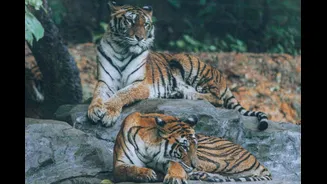
As India's oldest national park, Jim Corbett in Uttarakhand holds a special place in the hearts of nature lovers. The park officially reopens in phases post-monsoon, with popular zones like Bijrani and Jhirna typically welcoming visitors from mid-October,
and the core Dhikala zone, famous for its dense sal forests and vast grasslands, opening around mid-November. A safari here is a journey into the land of the legendary man-eater-turned-conservationist Jim Corbett. While the Royal Bengal Tiger is the star attraction, the park is also a haven for Asiatic elephants, spotted deer, sambar, and over 500 species of birds. The Ramganga River flowing through the park adds a serene beauty to the rugged terrain, making it a complete wilderness experience.
Ranthambore: Royalty and Predators
Imagine spotting a majestic tiger prowling around the ruins of a 10th-century fort. That's the iconic Ranthambore experience. Located in Rajasthan, this national park reopens on October 1st, and its unique combination of history and wildlife makes it one of the most photographed parks in the world. The dry, deciduous forest and numerous lakes make wildlife sightings relatively easy, especially for tigers who have become accustomed to the presence of jeeps. The park is divided into 10 zones, with zones 1-5 being particularly popular for their high chances of tiger encounters. Besides tigers, you can spot leopards, sloth bears, and marsh crocodiles basking in the sun near the park's historic water bodies.
Kaziranga: Land of the Giants
Home to two-thirds of the world's great one-horned rhinoceros population, Kaziranga National Park in Assam is a UNESCO World Heritage Site that offers a different kind of thrill. The park typically reopens for tourists from October onwards, after the annual floods caused by the Brahmaputra River recede. The vast expanses of elephant grass, marshland, and dense tropical forests create a prime habitat not just for rhinos, but also for elephants, wild water buffalo, and swamp deer. Kaziranga also boasts the highest density of tigers among protected areas in the world, though their shy nature and the tall grasses can make them elusive. A jeep safari through its central (Kohora) and western (Bagori) ranges is an unforgettable adventure into a prehistoric landscape.
Bandhavgarh: The Tiger Capital
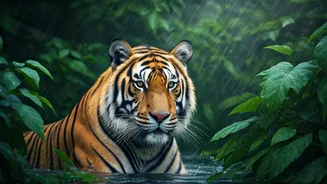
If your primary goal is to see a tiger in the wild, Bandhavgarh National Park in Madhya Pradesh is arguably your best bet. Known for having one of the highest densities of tigers in India, the park reopens its gates on October 1st. The Tala zone is the most sought-after for its frequent sightings, set against a landscape of rocky hills, grassy swamps, and forested valleys. The park's compact size increases the probability of encountering its most famous residents. Beyond the tiger, Bandhavgarh supports a rich biodiversity, including leopards, sloth bears, and a variety of deer species. The ancient Bandhavgarh Fort, perched atop a cliff, adds a touch of mystique to the wild terrain below.
Planning Your Safari Adventure
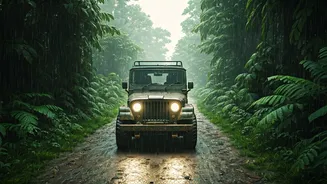
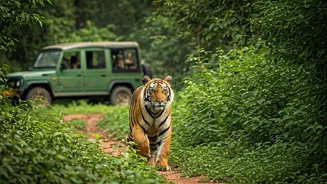
With the season now open, planning is key. Safari permits for popular parks and zones, especially for weekend dates, get booked out weeks or even months in advance. All bookings are now done online through the respective state forest department websites. Remember to book both your safari permits and your accommodation well ahead of time. When on safari, always follow the guide's instructions, maintain silence, and wear earthy-toned clothing to blend in with the surroundings. The goal is to observe these magnificent animals in their natural habitat without disturbing them. Pack your binoculars, a good camera, and a sense of wonder.