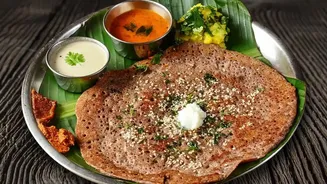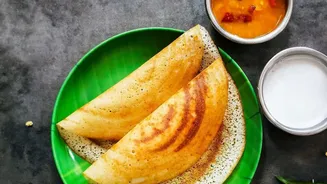


The Magic in the Batter: Fermentation Explained
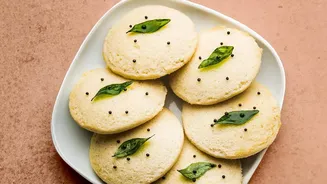
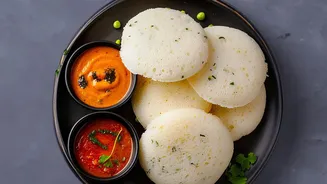
The journey of an idli or dosa begins hours before it reaches your plate. It starts with soaking rice and urad dal (black lentils), grinding them into a paste, and leaving the batter to ferment overnight. This ancient, natural process is where the magic
happens. During fermentation, beneficial microorganisms like bacteria and yeast get to work, breaking down the sugars and starches in the batter. This process enriches the food, creating a complex flavour and, more importantly, transforming it into a nutrient-dense meal that is exceptionally good for your digestive system. The heroes of this story are lactic acid bacteria (LAB), such as Lactobacillus, which thrive in the batter, turning it into a probiotic-rich mixture.
A Boost for Your Gut Microbiome
The term 'probiotic' refers to live beneficial bacteria that support a healthy gut. Your gut is home to trillions of microbes, and maintaining a healthy balance is crucial for everything from digestion to immunity. The batter for idlis and dosas is teeming with these probiotics, which help restore the natural balance of good bacteria in your gut. A balanced microbiome aids in smoother digestion, preventing common issues like bloating and constipation. It also strengthens the gut lining, which is a key part of your body's immune defence system, helping to fight off harmful pathogens. In essence, consuming foods prepared from this fermented batter is a delicious way to support the foundation of your overall health.
Does Cooking Kill the Goodness?
This is a common and important question. Probiotics are live organisms, and the high heat used for steaming idlis or cooking dosas does, in fact, destroy most of them. So, while the batter is probiotic, the final cooked product is not in the strictest sense. However, this is far from the end of the story. The benefits of fermentation are not lost. The process creates numerous beneficial byproducts known as 'postbiotics'. These include vitamins, enzymes, and organic acids that remain in the food after cooking. These compounds still offer significant health advantages, such as nourishing your gut cells and reducing anti-nutrients like phytic acid. So, even without the live bacteria, the cooked food remains incredibly beneficial for your gut.
More Than Just Gut Health
The advantages of fermenting idli and dosa batter extend well beyond digestion. The process makes the nutrients in the rice and lentils much easier for your body to absorb. Fermentation breaks down complex carbohydrates and proteins, effectively 'pre-digesting' the food. This means your digestive system doesn't have to work as hard, making idlis and dosas feel light on the stomach. Furthermore, fermentation boosts the bioavailability of essential minerals like iron and zinc and increases the content of B vitamins, which are vital for energy production. As a balanced combination of protein from dal and carbohydrates from rice, these dishes provide sustained energy without being heavy, making them an ideal meal choice any time of day.
Making Them a Healthy Habit
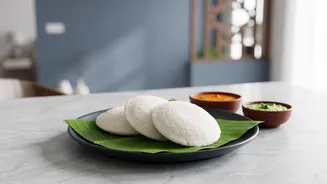
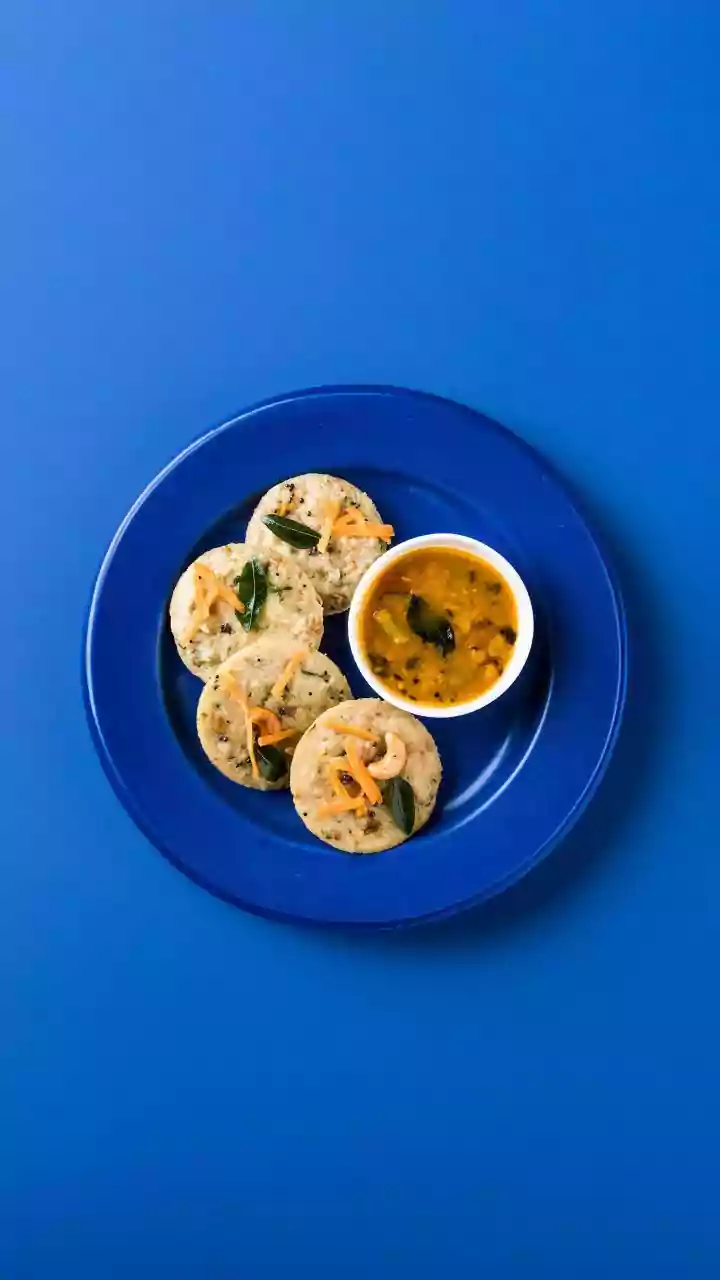
Incorporating these fermented foods into your diet is a simple and effective way to promote better health. Idlis, being steamed, are naturally low in fat and calories, making them an excellent choice. When preparing dosas, using minimal oil or ghee keeps them light and healthy. Pairing them with sambar, a lentil-based vegetable stew, further increases the meal's fibre and nutrient content. While homemade batter is best for ensuring a natural fermentation process, many quality store-bought options are also available. Enjoying these dishes regularly is a celebration of traditional culinary wisdom that doubles as a modern-day health hack for a happy gut.