








A Historic Homecoming
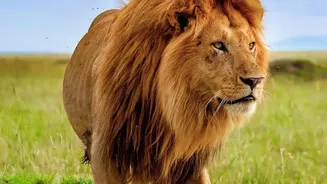
In a moment celebrated by conservationists across the country, Gujarat’s Barda Wildlife Sanctuary is now officially home to a new population of Asiatic lions. The last recorded presence of lions in this rugged terrain was in 1879, making their return
a momentous event in India's wildlife history. The process began in January 2023, when a lone male lion naturally migrated from the greater Gir region into Barda, a journey of over 100 kilometres. This natural dispersal was a promising sign that the habitat could once again support these big cats. Following this, the Gujarat Forest Department translocated five lionesses to the sanctuary to help establish a breeding population. As of late 2026, the sanctuary is home to a growing pride of 17 lions, including six adults and eleven cubs.
Why This Return Matters
For decades, the entire wild population of Asiatic lions was concentrated in and around Gir National Park. While a resounding conservation success, this also posed a significant risk. A single disease outbreak, like the Canine Distemper Virus that killed 28 lions in 2018, or a natural disaster could have a catastrophic impact on the species. Establishing a second, geographically separate population is therefore a crucial insurance policy for the long-term survival of the Asiatic lion. The successful colonisation of Barda reduces this dependency on a single habitat, a key objective of the central government's 'Project Lion' initiative. Barda has been designated as a satellite population site, marking it as the first fully protected alternative home for lions in Gujarat.
Preparing the Ground
The return of lions to Barda was not a matter of chance, but the result of decades of careful planning and habitat restoration. The Barda Wildlife Sanctuary, spanning over 192 square kilometres across Porbandar and Devbhumi Dwarka districts, was identified as a potential second home for lions as early as 1979. Since then, the Gujarat Forest Department has worked to make the sanctuary's environment more suitable for these large carnivores. Efforts have included improving the vegetation, ensuring water availability, and, crucially, increasing the prey base. Hundreds of spotted deer (chital) and sambar have been relocated to Barda from other protected areas and captive breeding centres to ensure a sustainable food source for the growing lion population.
Scientific Seal of Approval
Recent scientific studies have confirmed that Barda is a suitable long-term habitat for lions. A study published in the journal PLOS One tracked six radio-collared lions (the initial male and five females) to understand their behaviour, diet, and habitat use within the sanctuary. The research found that the lions are establishing home ranges and that the mixed forests and grasslands of Barda provide a fitting environment. Dietary analysis showed that the lions are primarily hunting wild prey, with wild pigs being a major food source, supplemented by some domestic cattle. This data provides crucial ecological insights, validating the conservation efforts and suggesting that the sanctuary can sustain a thriving lion population.
The Road Ahead
The establishment of a lion population in Barda is a significant milestone, but the work is far from over. Ongoing success depends on continuous scientific monitoring and effective management. The Forest Department has deployed full-time lion trackers to monitor the animals' health and movements. As the lion population grows, preventing human-wildlife conflict will be paramount. This involves working with local communities living around the sanctuary, ensuring swift response mechanisms are in place, and managing the delicate balance between conservation and human activity. The continued health of the prey base will also be essential to minimise the lions' dependence on livestock. This historic return is a powerful symbol of successful conservation, but it also marks the beginning of a new chapter in the story of the Asiatic lion, one that requires sustained commitment and vigilance.