



Why Timers and Recipes Can Fail You
A recipe that says “bake for 25 minutes” is making a lot of assumptions. It assumes your oven runs at the exact temperature it claims, that your baking pan is the same material and colour as the recipe developer’s, and that your ingredients started at the same temperature.
Most home ovens can be off by as much as 25 degrees, which significantly alters cooking time. A dark metal pan absorbs more heat and can burn the edges of a cake before the centre is cooked. Furthermore, a chicken breast straight from the fridge will cook slower than one that has been sitting at room temperature. Recipe timings are a helpful guideline, but they can't account for all these variables. This is why relying solely on a clock can lead to undercooked or overcooked food, turning a promising meal into a frustrating experience.
The Art of Cooking with Your Eyes
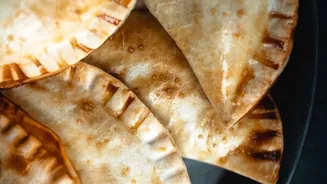
Becoming a more intuitive cook starts with trusting your senses, especially sight. Food communicates its doneness through a series of visual transformations. Colour, texture, and shape all provide crucial information. Instead of just setting a timer and walking away, start observing. Notice how the colour of chicken deepens, how the surface of a cake loses its wet shine, or how roasted vegetables begin to caramelise at the edges. These are not random occurrences; they are predictable chemical and physical changes, like proteins denaturing and sugars browning. Learning to recognise these signals empowers you to make decisions in real time, adjusting as needed and taking control of the cooking process. It’s the difference between following instructions and truly understanding how to cook.
Perfectly Cooked Meats and Fish
For meats, colour and texture are your primary guides. For steak, a rare centre is bright red, while a medium steak is warm pink, and well-done is uniformly brown. The juices also tell a story: reddish for rare, light pink for medium, and clear for well-done. You can also use the touch test: rare meat feels soft and yields easily, while well-done meat is firm. For poultry, look for juices to run clear when the thickest part is pierced. Fish is notoriously easy to overcook, but visual cues make it simple. Raw fish flesh is often translucent and shiny. As it cooks, it turns opaque and solid white (for fish like cod) or light pink (for salmon). A perfectly cooked fillet will flake easily when gently prodded with a fork.
Success in the Oven: Baked Goods
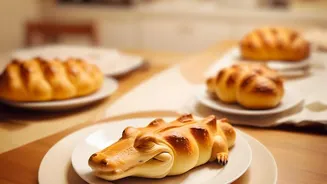
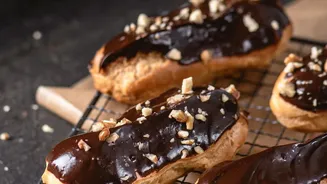
Baking is a science, but visual cues are as important as measurements. For cakes, look for a golden-brown top and edges that are beginning to pull away from the sides of the pan. The surface should spring back when lightly touched, no longer looking wet or jiggly. While the toothpick test is classic, it's not foolproof on its own; use it in combination with other signs. For yeast breads, a deep golden-brown crust is a key indicator of doneness. Cookies are often done when the edges are set and lightly browned, even if the centre still looks slightly soft. They will continue to firm up from the residual heat of the pan after you take them out.
Vibrant and Tender Vegetables
Don't let your vegetables become a mushy, grey afterthought. Visual cues help you achieve that perfect tender-crisp texture. When roasting vegetables like potatoes, carrots, or broccoli, look for caramelisation—those delicious dark brown, crispy spots where the natural sugars have cooked. They should be easily pierced with a fork but not falling apart. For green vegetables like beans or asparagus, the goal is to enhance their natural vibrancy. When steamed or blanched, they will turn a brilliant, bright green. This is the signal that they are cooked but still crisp. If the colour starts to dull or turn olive, you’ve gone too far. Watching the colour is your best bet for perfect texture every time.