





The Problem of the Urban Heat Island
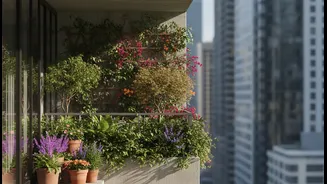
Indian cities are getting hotter, and it's not just due to climate change. The phenomenon known as the 'urban heat island effect' is a major cause. Concrete buildings, asphalt roads, and other man-made surfaces absorb and retain the sun's heat far more
than natural landscapes. This stored heat is released slowly, keeping the city warm long after sunset and making our homes uncomfortable. A flat, exposed concrete terrace is one of the biggest culprits, acting like a giant heat panel on top of your home. Studies show that rooms directly below an exposed roof can be significantly warmer than those in the rest of the building. This leads to higher reliance on air conditioning, which in turn increases energy consumption and contributes to the very problem it's trying to solve.
How a Green Roof Fights the Heat
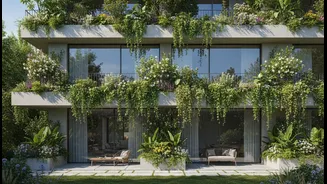
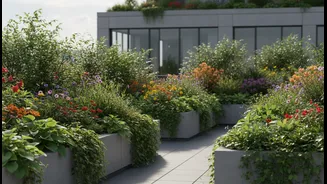
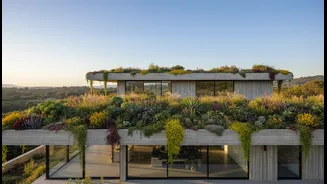
A terrace garden acts as a living, breathing shield for your home. The cooling effect works in three primary ways. First, the plants provide direct shade, preventing sunlight from hitting and heating the concrete slab. Second, and more powerfully, is a process called evapotranspiration. Plants absorb water through their roots and release it as cool water vapour from their leaves, acting as nature's own air conditioner. This process can significantly lower the ambient temperature around your home. Third, the layer of soil and the plants themselves provide a powerful layer of natural insulation, preventing heat from being transferred into the rooms below. Research has shown that a green roof can lower surface temperatures by as much as 20°C compared to a conventional bare roof, resulting in indoor temperatures being 3-5°C cooler.
Why the Monsoon Is a Perfect Start
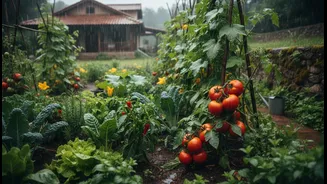
While gardening might seem like a dry-season activity, the monsoon is arguably the best time to start your terrace garden. The consistent rain takes care of the most demanding task: watering. The high humidity and warm temperatures create an ideal environment for many tropical plants to establish their roots and grow quickly. Plants like gourds, beans, and many leafy greens thrive during this season. The frequent cloud cover also reduces the stress of intense, direct sunlight on young saplings, giving them a better chance to flourish. By starting in the monsoon, your garden will be well-established and ready to provide maximum cooling benefits when the harsher summer sun returns.
Best Plants for a Monsoon Garden
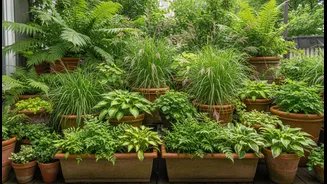
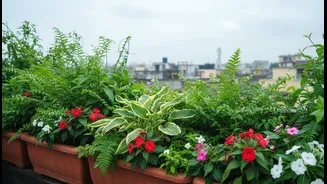
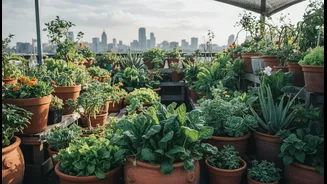
Choosing the right plants is key to a successful monsoon garden. You need species that love humidity and can handle rainfall, provided they have good drainage. For flowers, consider hardy bloomers like hibiscus, jasmine, marigold, and balsam, which flourish in the moist conditions. If you're looking to grow your own food, the monsoon is perfect for vegetables like okra, cucumbers, gourds (bottle and ridge), brinjal, and leafy greens like spinach and amaranth. Herbs such as mint, coriander, and tulsi also do exceptionally well. For low-maintenance options that add lush greenery, consider areca palms, ferns, and the ever-reliable money plant.
Essential Setup Tips for Beginners
Starting a terrace garden is easier than you might think, but a few basics are non-negotiable. First, ensure your terrace has proper waterproofing to prevent any damage to the building structure. Good drainage is equally critical; make sure pots and grow bags have holes and that excess water can easily flow away to prevent waterlogging, a major risk during the monsoon. Instead of using heavy garden soil, opt for a lightweight potting mix, typically a combination of cocopeat, compost or vermicompost, and some garden soil. This keeps the load on your roof lighter and provides better aeration for plant roots. Finally, start small. Begin with a few hardy plants in manageable containers to learn the ropes before expanding your green oasis.