





More Than Just a Bad Smell
A dirty litter box is a primary reason cats begin to urinate or defecate elsewhere in the house. But beyond the mess, an unclean box can be a serious health hazard. Cats are meticulous groomers, and if their box is soiled, they may hold their waste to avoid
it. This can lead to urinary tract infections (UTIs), bladder issues, and constipation. Veterinarians stress that a clean box is a cornerstone of preventative health care. Furthermore, cats are sensitive to smell and stress; a foul-smelling, dirty box in a noisy area can create anxiety, leading to a host of behavioral problems. Think of the litter box not as a toilet, but as a crucial communication tool. Its state, and your cat's use of it, can be the first indicator of a health issue.
The Daily Scoop: A Non-Negotiable
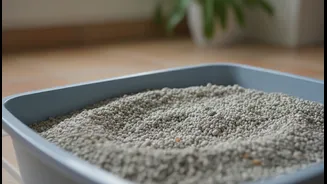
The single most important habit is to scoop waste at least once a day. For homes with multiple cats, or for cats who are particularly fastidious, twice-daily scooping is ideal. This simple, two-minute task removes the main source of odor and bacteria, making the box more inviting for your cat. Clumping litter makes this process efficient, as it isolates urine and feces for easy removal. When you scoop, you should also take the opportunity to observe. Any changes in the size, consistency, or frequency of your cat's waste can signal health problems like kidney disease or digestive issues that warrant a call to the vet.
The Weekly Deep Clean
Scooping is for maintenance; a weekly deep clean is for sanitation. At least once a week for non-clumping litter, and every one to four weeks for clumping litter, you should empty the box completely. Scrub the box itself using hot water and a mild, unscented soap. Avoid using harsh, ammonia-based or citrus-scented cleaners, as the strong smells can deter a cat from using the box. After washing, it is critical to rinse thoroughly and dry the box completely before refilling with fresh litter. This process removes the odor-causing bacteria that even daily scooping can't eliminate. Over time, plastic litter boxes can develop scratches that trap bacteria, so plan on replacing them annually.
Setting Up for Success
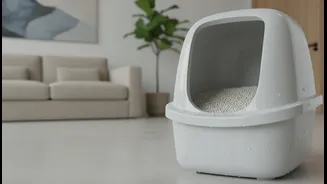
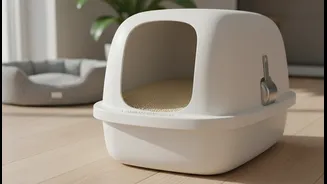
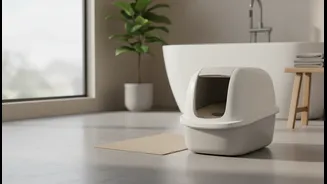
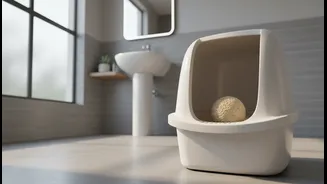
A great routine is only effective with the right tools. Most cats prefer large, open litter boxes that are about 1.5 times their body length, allowing them to turn around comfortably. While covered boxes might seem better for odor control, they can trap ammonia and make a cat feel cornered. The general rule for the number of boxes is one per cat, plus one extra, placed in quiet, low-traffic areas of the house. Don't put them next to loud appliances or their food and water bowls. When it comes to litter, most cats prefer fine-textured, unscented, clumping varieties. Scented litters are designed for human noses and can be overpowering and unpleasant for a cat's sensitive sense of smell.
When Your Cat Rejects the Box
If your cat suddenly stops using their litter box, your first call should be to a veterinarian. Litter box avoidance is one of the most common signs of medical issues like UTIs, bladder stones, kidney disease, diabetes, or arthritis that makes climbing into the box painful. Straining to urinate, frequent trips to the box with little output, or crying out are signs of a potential emergency. Once medical issues have been ruled out, you can troubleshoot environmental factors. Is the box clean enough? Have you recently changed the litter type or box location? Is there a new stressor in the home, like a new pet or a change in routine? Addressing the root cause, whether medical or environmental, is the key to resolving the problem.