



Why Your Garden Loves Kitchen Scraps
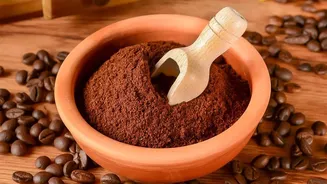
Before you toss those coffee grounds and vegetable peels, consider this: they are packed with essential nutrients that plants crave. Spent coffee grounds are an excellent source of slow-release nitrogen, which is vital for lush, green foliage. They also
contain other key minerals like potassium, phosphorus, and magnesium. Banana peels offer a fantastic potassium boost, crucial for strong root development and vibrant flowers. Crushed eggshells provide calcium, which helps prevent issues like blossom-end rot in tomatoes and peppers. By using these scraps, you are not only feeding your plants but also improving your soil's structure and water retention, creating a healthier environment for beneficial microbes to thrive. This DIY approach avoids the synthetic chemicals found in many commercial fertilizers, making it a win for your garden and the environment.
What to Use and What to Avoid
Not all kitchen waste is created equal when it comes to fertilizer. The best ingredients are plant-based and break down easily. Focus on collecting used coffee grounds (and their paper filters), fruit and vegetable peels (like banana, potato, and carrot), and crushed eggshells. Used tea leaves are also a great addition. However, you should avoid adding meat, fish, dairy products, or oily and greasy foods to your fertilizer mix. These items can attract pests, create foul odours, and introduce harmful pathogens to your soil. Stick to the simple, plant-derived scraps for a clean and effective fertilizer that nourishes your garden without unwanted side effects.
Method 1: The Simple Top-Dressing
The easiest way to use your kitchen scraps is to apply them directly to the soil. This method, known as top-dressing, works wonders as a slow-release fertilizer. For coffee grounds, allow them to dry completely to prevent mould growth. Then, sprinkle a thin layer (no more than half an inch) around the base of your plants and gently work it into the top inch or two of soil. This prevents the grounds from compacting and blocking water. For eggshells, rinse them, let them dry, and crush them into a fine powder before sprinkling them onto the soil. This technique is particularly beneficial for acid-loving plants like blueberries, azaleas, rhododendrons, and hydrangeas, which appreciate the slight acidity from the coffee grounds.
Method 2: Brewing a Nutrient 'Tea'
For a fertilizer that your plants can absorb more quickly, try making a 'compost tea'. This liquid fertilizer is perfect for watering both garden beds and container plants. To create it, simply fill a large bucket with a few cups of your collected scraps—coffee grounds, banana peels, and crushed eggshells are a great combination. Fill the bucket with water (rainwater or dechlorinated tap water is best) and let the mixture steep for 24 to 48 hours, stirring occasionally. After it has steeped, strain the liquid through a cheesecloth or fine sieve to remove the solid bits. Dilute the resulting 'tea' with an equal amount of water before using it to water your plants. This provides a direct dose of nutrients to the plant's roots.
Method 3: The Ultimate Compost Booster
For the most 'high-yield' results, incorporate your kitchen scraps into a dedicated compost pile or bin. Coffee grounds are a fantastic 'green' material for compost, helping to generate the heat needed for rapid decomposition. A healthy compost pile requires a balance of nitrogen-rich 'greens' (like your kitchen scraps and fresh grass clippings) and carbon-rich 'browns' (like dried leaves, cardboard, and shredded newspaper). Aim for a ratio of about one part 'greens' to three parts 'browns'. Layer these materials in your compost bin and turn the pile weekly to keep it aerated. In a few months, you will have a dark, crumbly, and incredibly nutrient-dense compost that can be mixed into your garden beds or potting soil to dramatically improve its fertility and health.