




The Shrinking Room Effect
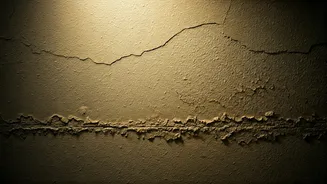
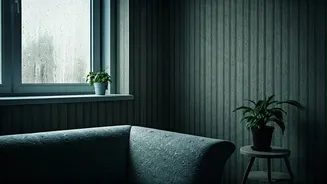
A damp room feels smaller for both physical and psychological reasons. Physically, the air is heavy with moisture, which can make a space feel oppressive and stuffy. Surfaces might appear darker or stained, and peeling paint or bubbling plaster creates
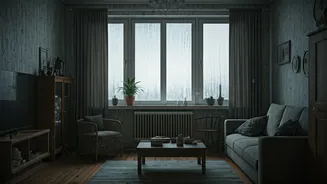
a sense of decay and neglect. Psychologically, our brains are wired to associate dark, enclosed spaces with confinement. A musty odour, a common side effect of damp, also triggers a primal instinct to avoid potentially unhealthy environments, making you want to retreat from the space. This sensory overload—the smell, the clammy feeling, the dreary look—combines to create an impression of a room that is closing in on you.
Finding the Source of the Damp
Before you can treat dampness, you need to know where it's coming from. In India, the monsoon season is a major culprit, bringing high humidity that seeps into homes. However, issues can persist year-round. Common causes include condensation from activities like cooking and showering in poorly ventilated rooms, leaking pipes hidden within walls, and cracks in the external walls that let rainwater in. In ground-floor homes, moisture can even rise from the ground into the walls, a phenomenon known as rising damp. Identifying the cause is crucial; simply painting over a damp patch is a temporary fix that won't solve the underlying problem.
Simple Steps for Better Airflow
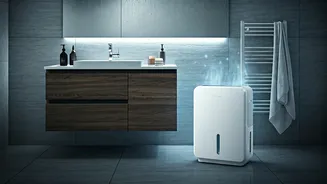
The fastest and most affordable way to combat damp is to improve ventilation. Trapped air holds moisture, so getting it moving is your first line of defence. Make it a habit to open windows and doors for at least 15-20 minutes each day to allow for cross-ventilation, letting humid air out and fresh air in. Use exhaust fans in kitchens and bathrooms religiously, both during and after cooking or showering, to expel steam before it settles. Even simple actions like not over-stuffing wardrobes and moving large furniture a few inches away from walls can improve air circulation and prevent damp pockets from forming.
Natural and Mechanical Dehumidifying
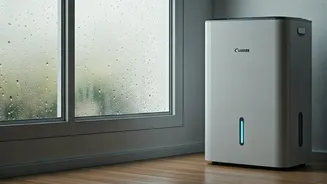
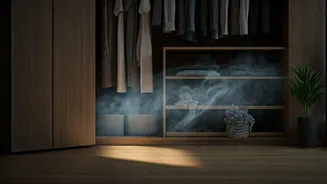
When ventilation isn't enough, it's time to actively remove moisture from the air. Electric dehumidifiers are highly effective but can be an investment. For a low-cost, natural approach, several household items work wonders. Placing bowls of rock salt or charcoal briquettes in damp corners can help absorb airborne moisture. Baking soda is excellent for smaller enclosed spaces like wardrobes and cabinets. Certain houseplants, such as peace lilies, spider plants, and Boston ferns, are also natural dehumidifiers that absorb moisture through their leaves while purifying the air. For more persistent issues, commercially available moisture absorbers containing calcium chloride can be placed in closets and under sinks.
Long-Term Fixes and Prevention
For recurring or severe damp, you may need to consider more permanent solutions. Addressing the root cause is key. This could mean repairing cracks in external walls with waterproof sealants or fixing plumbing leaks. Applying a waterproof coating to exterior walls can create a barrier against rain seepage. In cases of rising damp, a professional may need to inject a chemical damp-proof course into the base of the walls. When it's time to repaint, opt for mould-resistant or waterproof paints, especially in moisture-prone areas like kitchens and bathrooms. These long-term strategies, while more involved, provide lasting protection and peace of mind.
Reclaim Your Space and Health
Controlling dampness does more than just make your home feel bigger; it protects your health. Damp environments are breeding grounds for mould and mildew, which can trigger allergies, asthma, and other respiratory problems. Living in a constantly damp space has also been linked to a weakened immune system and can even affect mental well-being. By taking steps to dry out your home, you're not just fighting a cosmetic issue. You are creating a healthier, more comfortable, and more expansive-feeling living environment for you and your family.