




What Mint Really Wants From Its Soil
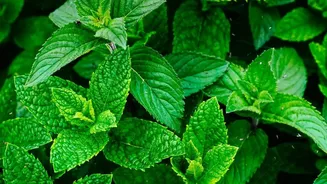
Mint is famously easy to grow, but it has one critical demand: it likes its feet moist, not submerged. Think of its native habitat, often along the banks of streams—the soil is consistently damp but the water is always moving. This is the balance your
potted mint craves. It needs a soil that can hold onto enough moisture to keep it from wilting in the Indian heat, but also allows excess water to escape freely. When water lingers for too long, the roots can't breathe, leading to root rot, one of the most common reasons mint plants fail in containers. So, the perfect soil is all about achieving that 'moist but well-drained' sweet spot.
The Problem with Heavy Garden Clay
Many Indian gardens have soil with a high clay content. Clay soil is made of incredibly fine particles packed tightly together. When you water it, it holds onto moisture for a long time, but this density also means there are very few air pockets. For a plant like mint, this is a recipe for disaster. The soil becomes waterlogged, suffocating the roots. After a heavy monsoon shower or an overzealous watering, the pot essentially becomes a swamp. Then, during a dry, hot spell, that same clay can bake into a rock-hard mass, making it difficult for roots to grow and for water to penetrate the next time you water. This cycle of being waterlogged and then brick-hard stresses the plant and prevents the vigorous growth you’re looking for.
The Magic of a Loamy Potting Mix
This is where loamy soil comes in as the hero. Loam is considered the ideal soil for gardening because it’s a balanced mix of three particle types: sand, silt, and clay. The sand particles are large and create space for air and water to move through, ensuring excellent drainage. The clay particles, though smaller, are great at holding onto moisture and nutrients. Silt falls somewhere in between. Together, they create a soil that’s the best of all worlds: it drains well enough to prevent root rot, yet retains enough moisture and nutrients to support healthy plant growth. Its texture is light and crumbly, making it easy for mint's aggressive roots, or runners, to spread and establish a strong, healthy plant.
How to Create the Perfect Pudina Potting Mix
You don’t have to search for naturally loamy soil to give your mint the best start. You can easily create your own perfect potting mix. For a simple and effective blend suitable for Indian homes, try mixing equal parts of three key ingredients: garden soil, compost, and cocopeat (coir). The garden soil provides a base. The compost (like vermicompost or well-rotted cow manure) adds essential nutrients and improves soil structure. The cocopeat is a fantastic addition for container gardening; it helps retain moisture while keeping the mix light and airy, vastly improving drainage compared to soil alone. If your garden soil is particularly heavy, you can also add a handful of coarse sand or perlite to further boost drainage. When you buy a ready-made potting mix, look for one that is described as 'well-draining' and feels light and fluffy, not dense and heavy.
Extra Tips for a Bountiful Mint Harvest
Once you have the soil right, a few other things will ensure your mint plant thrives. Always use a pot with drainage holes; this is non-negotiable. A wide pot is often better than a deep one, as mint likes to spread sideways. Place it where it gets about 4-6 hours of sunlight; in peak summer, some afternoon shade is beneficial to prevent leaf scorch. Water whenever the top inch of the soil feels dry to the touch. Finally, harvest your mint regularly by pinching off the top sets of leaves. This encourages the plant to become bushier and more productive, giving you a constant supply of fresh pudina for all your culinary needs.