




A New Chapter for India’s Parks
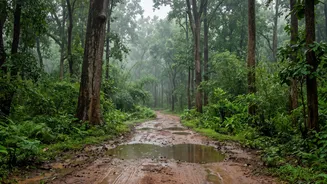
The 2026 safari season is shaping up to be exceptional. Following extensive monsoon closures and the implementation of new conservation-focused guidelines, many of India's premier national parks are welcoming visitors to refreshed ecosystems. These parks,
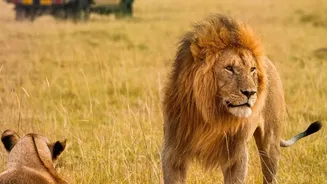
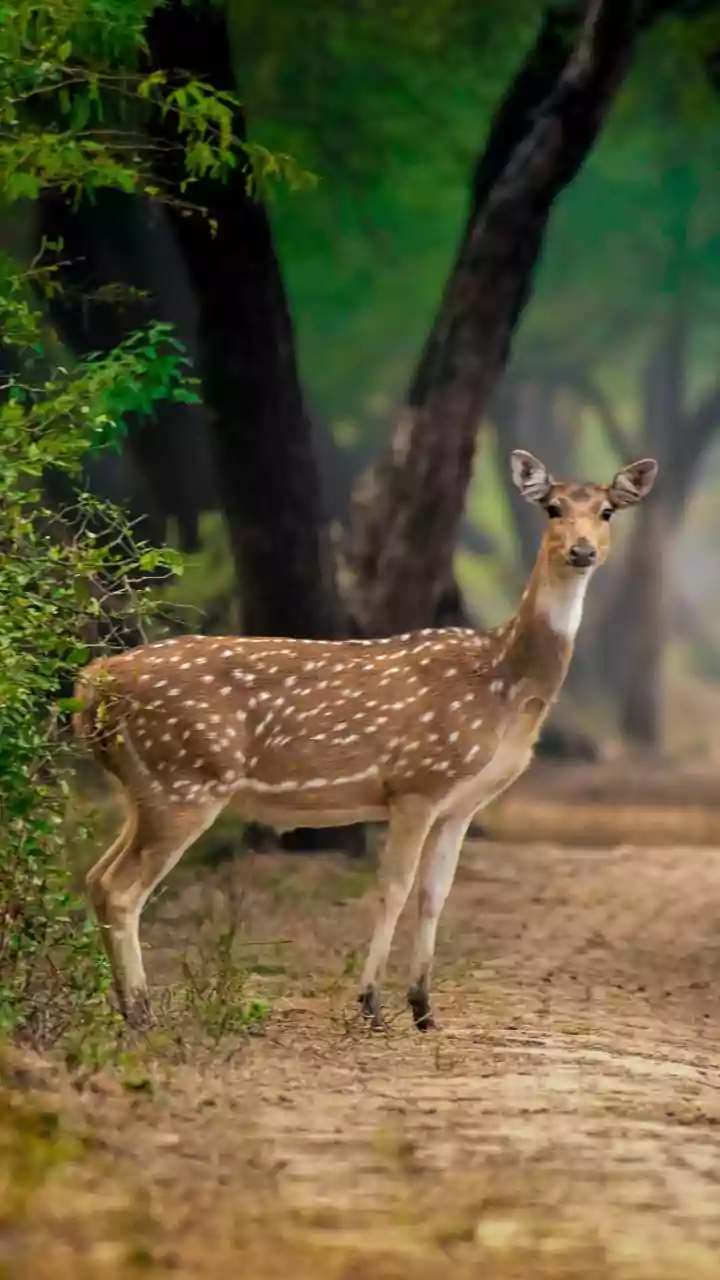
largely closed from June through September for the monsoon, reopen in October with lush, vibrant forests. The recent focus has been on balancing tourism with sustainability, resulting in a more structured and eco-conscious safari experience. For travellers, this means enjoying the thrill of spotting tigers, elephants, and rhinos in environments managed to protect their natural habitats. The result is a wilder, more authentic adventure.
Choosing Your Ideal Safari Destination
India’s diverse parks cater to different interests. For those dreaming of tigers against a historic backdrop, Ranthambore National Park in Rajasthan is an iconic choice, known for its ancient fort and relatively open terrain that improves sighting chances. If you prefer dense forests and a wider variety of wildlife, including a large elephant population, Jim Corbett National Park in Uttarakhand is a classic. It is India's oldest national park, offering a more immersive, atmospheric jungle experience. For a different quest, Kaziranga National Park in Assam is globally renowned for holding two-thirds of the world's great one-horned rhinoceros population. Its wetlands and grasslands also host tigers, elephants, and a spectacular array of birds.
The Best Time to Go
Timing your safari is crucial. The main safari season in most Indian parks runs from October to June. The months from October to December offer pleasant weather and stunning green landscapes right after the monsoon. For pure comfort and great overall wildlife activity, the winter months of November through March are ideal, though mornings can be quite chilly. However, if your top priority is spotting a tiger, the hotter, drier months from March to May are often considered the best. During this time, vegetation is thinner and animals congregate around the few remaining waterholes, significantly increasing your chances of a memorable sighting.
Booking Your Safari: Plan Ahead
Spontaneity doesn't work well for safari planning. Most national parks have a limited number of safari permits for different zones, and these are released online 90 to 120 days in advance. Popular parks like Ranthambore and Bandhavgarh can get fully booked months ahead, especially during peak season. All bookings require valid government-issued identification for Indian nationals or passport details for foreign visitors. To increase your odds of seeing wildlife, it's wise to book at least two or three safaris, preferably a mix of morning and afternoon drives, as animal activity varies throughout the day. Working with a reputable tour operator can also streamline the process, as they can handle permit booking and secure experienced naturalist guides.
New Rules on the Ground
Recent regulations aim to enhance the safari experience by reducing human impact. A major change in several top tiger reserves is the prohibition of mobile phones within core safari zones. This rule, stemming from a Supreme Court directive, is designed to prevent disturbances to wildlife caused by noise and overcrowding from tourists trying to capture photos. Visitors may be required to deposit their phones at the entrance gate, where they are kept in secure lockers. While dedicated cameras are still permitted, the absence of phones encourages a more present and mindful experience. Additionally, expect strict enforcement of rules against littering, loud talking, and feeding animals, all aimed at preserving the delicate balance of the ecosystem.