






What is Cold Brew Tea?
Cold brew tea is not the same as regular iced tea. While typical iced tea is brewed with hot water and then cooled down, often with ice, cold brewing is a much gentler process. It involves steeping tea leaves in cold or room-temperature water for an extended
period, typically between 8 to 12 hours in the refrigerator. This slow, patient infusion extracts the tea's flavours differently, avoiding the chemical changes caused by heat. The result is a remarkably smooth, less acidic, and naturally sweeter beverage that highlights the delicate nuances of the tea leaves.
The Low-Sugar, Low-Caffeine Advantage
One of the biggest health draws of cold brew tea is its naturally low sugar profile. The slow, cold extraction process pulls fewer tannins from the tea leaves. Tannins are the compounds responsible for the bitter, astringent taste in hot tea that often prompts us to add sugar or milk. With less bitterness, cold brew tastes naturally smoother and sweeter, reducing or even eliminating the need for added sweeteners. Furthermore, cold water extracts less caffeine than hot water, resulting in a drink with roughly 30-50% less caffeine. This makes it a great choice for those who are sensitive to caffeine or want a hydrating beverage they can enjoy throughout the day without the jitters.
Maximising Health Benefits
Tea is renowned for its antioxidants, such as catechins and polyphenols, which help protect the body from damage. The cold brewing process can be particularly effective at preserving these delicate compounds. Some studies suggest that brewing in cold water can prevent the degradation of heat-sensitive antioxidants, potentially yielding a brew with a higher concentration of these beneficial molecules compared to hot-brewed tea. Because it is less acidic, cold brew tea is also gentler on the stomach, making it a suitable option for those with digestive sensitivities.
The Best Indian Teas for a Cold Brew
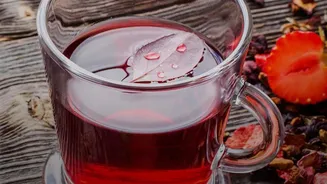
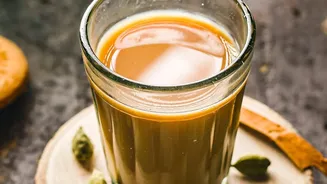
India's diverse tea-growing regions offer a fantastic palette for cold brewing. Whole-leaf teas are generally recommended over tea bags for a cleaner, more complex flavour. For a delicate and sophisticated brew, a First Flush Darjeeling is an excellent choice, as cold water beautifully coaxes out its famous muscatel notes. The robust character of an Assam black tea becomes smooth and mellow, perfect for a classic cold brew. Floral and aromatic options like Jasmine green tea or even a traditional spiced Masala Chai blend can be transformed into unexpectedly magical and refreshing drinks. Even herbal infusions like tulsi or hibiscus work wonderfully, creating vibrant, caffeine-free refreshments.
Your Simple Home-Brewing Guide
Making cold brew tea at home requires more patience than effort. All you need is a large jar or pitcher, cold filtered water, and your favourite loose-leaf Indian tea. As a general rule, use about one to two teaspoons of loose-leaf tea for every 500 ml of water. Simply combine the tea and water in your container, seal it, and place it in the refrigerator. Steeping times vary by tea type: green and white teas need about 6-8 hours, while black and oolong teas can steep for 8-12 hours. Once the time is up, simply strain the leaves out, and your cold brew is ready to be served over ice. It can be stored in the fridge for several days, ready for instant refreshment.