



From Promotional Clip to Short Film
Remember when music videos were mostly performance clips, designed to fill a slot on MTV? That era is long gone. Today, the music video has evolved into a legitimate art form, often resembling a short film more than a simple promo. Look no further than Taylor
Swift’s “All Too Well: The Short Film,” a nearly 15-minute narrative that brought a decade-old song to a new generation. Written and directed by Swift, the video starred Sadie Sink and Dylan O'Brien, featuring scripted dialogue and a fully realized plot that explored the song's themes of love and heartbreak. It wasn't just a video; it was a cinematic event that earned critical acclaim and demonstrated the power of a story to amplify a song's emotional core. This shift from promotional tool to narrative medium allows artists to add layers of meaning that lyrics alone can't always convey.
The Freedom of the Streaming Age
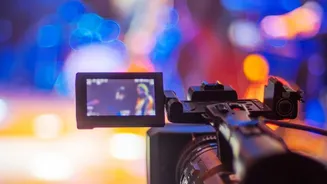
So, what’s driving this change? In a word: YouTube. The decline of the rigid, three-minute format of broadcast television and the rise of on-demand streaming platforms blew the doors wide open for artistic experimentation. Suddenly, there were no time limits. Artists were no longer constrained by the need to fit into a programmer's schedule, freeing them to create content as long or as complex as their vision required. This digital revolution democratized the process, allowing independent artists to reach global audiences just as easily as major label superstars. High-definition cameras became more accessible, and advanced editing software gave directors the tools to create visually stunning, immersive experiences that were once the exclusive domain of Hollywood.
Building Universes, Not Just Hits
This new-found freedom has allowed artists to build entire universes around their music, fostering a deeper, more personal connection with their audience. Fans are no longer just passive listeners; they become invested in the narrative, analyzing every frame for clues and dissecting character arcs. Artists like The Weeknd have mastered this, creating a consistent persona and story across an entire album cycle, from music videos to live performances. Similarly, Kendrick Lamar’s video for “The Heart Part 5” used deepfake technology to create a powerful and complex commentary on Black identity and celebrity. By morphing into figures like Nipsey Hussle and Kobe Bryant, Lamar didn’t just perform a song—he embodied different perspectives, creating a dense audio-visual narrative that sparked widespread discussion and analysis. This level of world-building turns an album into an immersive experience, rewarding dedicated fans and creating a loyal community.
A New Gateway for Discovery
While this trend allows artists to deepen their relationship with existing fans, it also serves as a powerful gateway to new audiences. A compelling short film can attract viewers who might not have otherwise listened to the song. They might come for the cinematic visuals, the intriguing plot, or the celebrity actors, but they stay for the music. This is especially true as artists increasingly draw inspiration from well-known films, essentially creating mini-remakes. Ariana Grande's “Thank U, Next” famously recreated scenes from iconic teen movies like "Mean Girls" and "Legally Blonde," tapping into a reservoir of cultural nostalgia. These cinematic homages act as a cultural shorthand, inviting viewers in with something familiar before introducing them to the artist's new work. In a saturated market, a high-concept, story-driven video is one of the most effective ways for an artist to cut through the noise and make a lasting impression.