




The Rise of 'Healthy' Indulgence
The primary driver behind the protein ice cream boom is a powerful shift in consumer behaviour. In India and globally, there's a growing desire for foods that are both enjoyable and functional. Consumers are increasingly health-conscious, seeking ways
to manage their wellness without feeling deprived. Protein ice cream perfectly fits this niche, offering the comfort and taste of a classic dessert while aligning with health goals like increasing protein intake and reducing sugar. The Indian market, in particular, is seeing rapid growth, with projections showing a compound annual growth rate of over 16% for protein ice cream in the coming years. This trend is fuelled by a rising awareness of lifestyle diseases and a willingness to pay more for products with tangible health benefits.
What's Actually in the Tub?
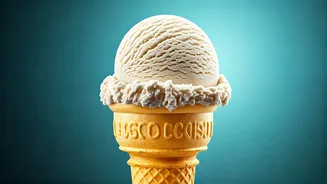
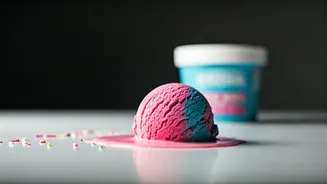
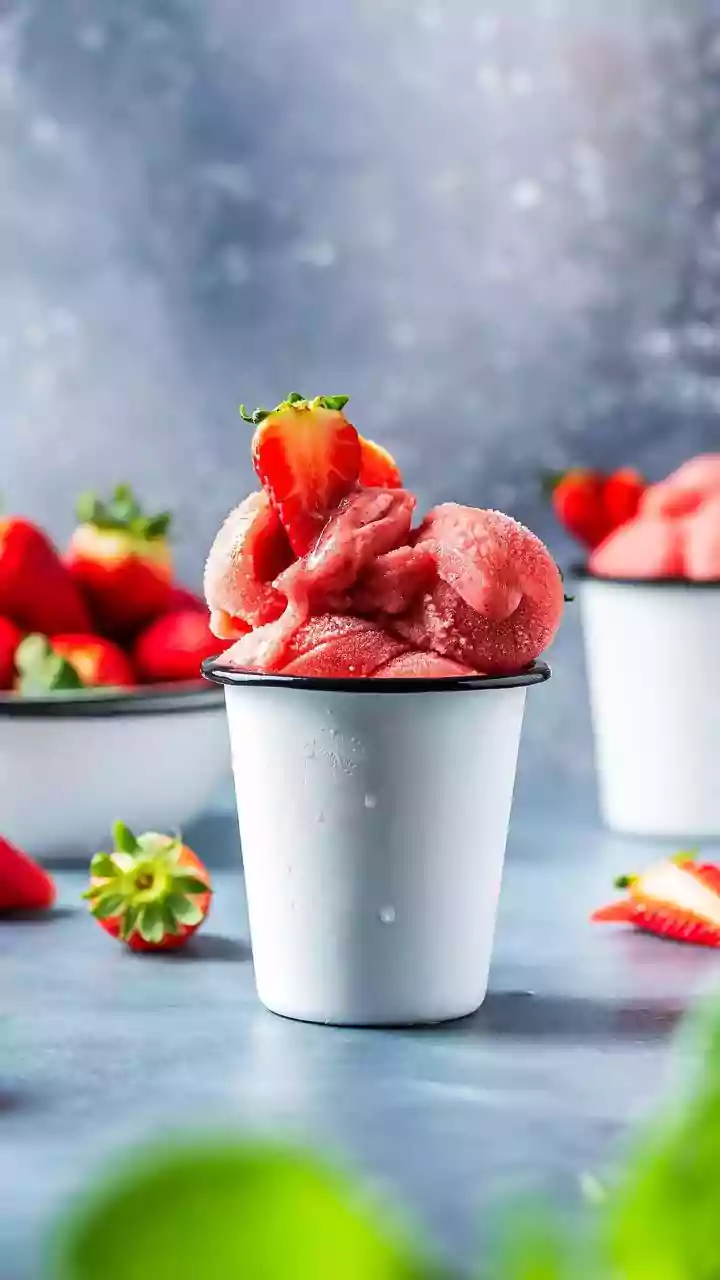
Protein ice cream is fundamentally different from its traditional counterpart. A typical serving of regular ice cream has about 3-5 grams of protein, while a protein-fortified version can pack anywhere from 10 to over 20 grams per serving. This protein usually comes from added whey or casein protein concentrates. To keep calories low, sugar is often replaced with alternatives like stevia, erythritol, or allulose. The result is a dramatically different nutritional profile: a serving can have roughly half the calories and a fraction of the sugar compared to traditional ice cream, with five to eight times the protein. This high protein content is key to its appeal, as it promotes satiety, making you feel fuller for longer.
More Than Just a Post-Workout Snack
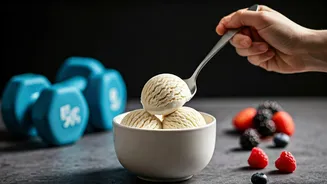
While it found its initial footing with fitness enthusiasts looking for muscle-recovery treats, protein ice cream's audience has expanded significantly. It's no longer just for gym-goers. The appeal has broadened to anyone looking for a smarter way to indulge. This includes busy professionals, health-conscious families, and individuals managing their weight or sugar intake. The message has shifted from muscle building to holistic wellness, positioning the dessert as a tool for hitting daily protein goals, managing cravings, and enjoying a treat without the subsequent sugar crash.
But How Does It Taste?
This is the million-rupee question. Early versions of healthy ice creams were often criticized for a chalky texture or an artificial aftertaste. However, food science has come a long way. Brands are now investing heavily in new formulations to improve creaminess and flavour, using better-quality sweeteners and stabilizers. While many connoisseurs argue that the rich mouthfeel of full-fat, full-sugar ice cream is still unmatched, the consensus is that the gap is closing. For many, the slightly different texture is a worthwhile trade-off for the nutritional benefits, and brands like Get-A-Whey, LEAN, and NOTO are gaining loyal followings in India by delivering on both taste and macros.
A Nutritionist's Reality Check
While protein ice cream can be a better choice than its traditional alternative, experts advise a balanced perspective. It's still a processed dessert, not a whole food. Some products can contain a long list of gums, stabilizers, and sugar alcohols to mimic the texture of real ice cream, which may cause digestive issues for some people. Nutritionists caution against using it as a primary source of protein, which should ideally come from whole foods like lean meats, beans, and lentils. The consensus is that while it shouldn't be considered a 'health food,' it can be a sensible, satisfying swap for a higher-calorie dessert when enjoyed in moderation.