




The Science of Survival
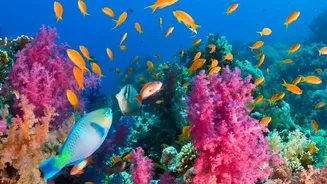
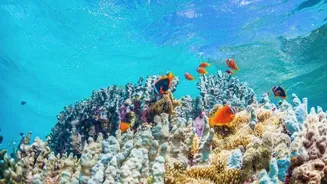
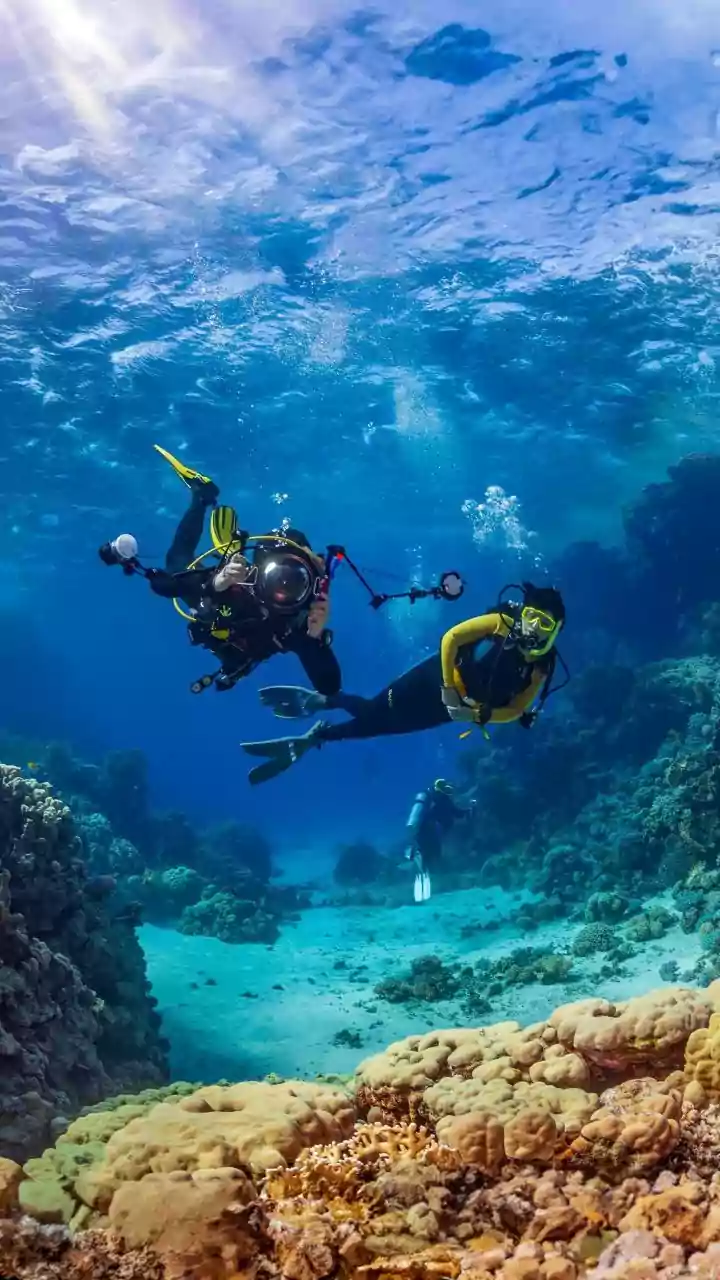
Coral reefs are often called the rainforests of the sea, and for good reason. They cover less than 1% of the ocean floor but support an estimated 25% of all marine life. However, these vibrant ecosystems are acutely sensitive to temperature. As climate
change warms the oceans, corals are put under stress. This stress causes them to expel the microscopic algae, called zooxanthellae, living in their tissues. These algae provide corals with most of their food and their vibrant colour. When the algae are gone, the coral turns bone-white—a phenomenon known as coral bleaching—and begins to starve. But some corals are proving to be tougher. These resilient or 'super' corals have a higher tolerance for heat. Scientists have discovered this resilience comes from a few key advantages: some corals partner with more heat-tolerant types of algae, while others have genetic adaptations that help them endure thermal stress. These strains can survive temperatures that would kill their neighbours, making them a critical focus for conservation science.
A Foundation for All Marine Life
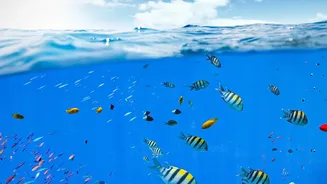
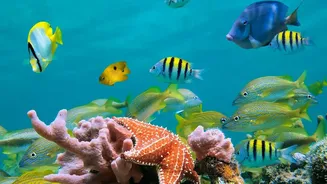
When a coral reef bleaches and dies, the impact is catastrophic and extends far beyond the coral itself. Reefs provide essential habitat, food, and breeding grounds for over a million species, including thousands of types of fish, crustaceans, and molluscs. Without healthy coral, this entire web of life collapses. Fish populations that millions of people rely on for food and income disappear. Resilient coral strains offer a chance to prevent this collapse. By surviving heatwaves, they continue to provide the complex structures that offer shelter and protection to countless organisms. They act as lifeboats, maintaining pockets of biodiversity even as surrounding waters warm. A healthy reef, anchored by these hardy corals, continues to be a nursery for young fish and a feeding ground for larger predators, ensuring the stability of the broader marine ecosystem.
Spotlight on India’s Reefs
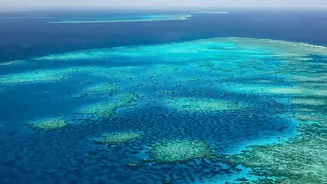
India's extensive coastline is home to significant coral reef ecosystems in the Gulf of Mannar, Gulf of Kutch, Lakshadweep, and the Andaman and Nicobar Islands. These reefs are not only biodiversity hotspots but also crucial for protecting coastlines from storms and supporting local fisheries. Recognizing their importance, several long-term restoration projects are underway. In the Gulf of Mannar, a two-decade-long effort involving the transplantation of over 51,000 coral fragments has shown promising results, with survival rates between 55% and 79%. Researchers are focusing on native species, particularly hardy types like Acropora, which have shown high growth rates. Similar projects in Gujarat's Mithapur reef and the Andamans are using techniques like artificial reefs and nurturing corals in underwater nurseries to rebuild damaged areas and enhance resilience. These initiatives are vital for safeguarding India's marine heritage against the escalating threats of climate change.
Hope, Not a Silver Bullet
While the discovery and cultivation of heat-tolerant corals provide a powerful tool for conservation, they are not a complete solution. Scientists are clear that these 'super corals' can only do so much. The pace of ocean warming is relentless, and even the most resilient strains have their limits. Efforts to identify and propagate these corals, a practice known as selective breeding or assisted evolution, can help buy valuable time for reefs. This involves transplanting heat-resistant corals to degraded areas or creating nurseries to grow them for future restoration. However, these projects are often small-scale and labour-intensive. For these efforts to succeed in the long run, they must be paired with aggressive global action to reduce greenhouse gas emissions and slow the rate of climate change. Without addressing the root cause, we risk pushing the oceans past a point where even the most resilient corals can survive.