






What Does 'Youth-Coded' Mean?
Forget the big red 'SALE' banners of yesteryear. Today's fashion promotions are 'youth-coded,' a strategy that speaks the language of younger, digitally-native consumers. This isn't just about using slang like 'cop' or 'drop'; it's a complete shift in tactics.
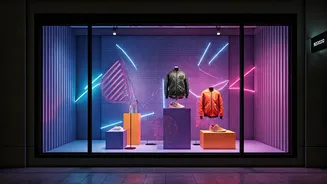
The new model revolves around creating urgency and exclusivity through limited-edition 'product drops', a concept pioneered by streetwear brands like Supreme that has now gone mainstream. This approach is heavily integrated with social media, where discovery, validation, and even checkout happen almost instantly within platforms like Instagram and TikTok. The focus is on visual, video-led content—think styling reels and user-generated posts—that feels more like authentic advice than a hard sell.
The Gen Z Gold Rush
So, why the dramatic change? The short answer is Gen Z. This cohort, born between 1997 and 2012, has emerged as a formidable force in retail. In India, for example, Gen Z now accounts for 40-45% of e-retail shoppers, wielding significant disposable income and influencing household spending. Brands are in a race to capture their loyalty, knowing that this generation is experimental and values cultural relevance over lifelong brand devotion. They are also highly adept at filtering out traditional advertising, which means brands must engage them on their turf and on their terms—through authentic influencer collaborations, transparent brand values, and seamless social commerce experiences. More than half of Gen Z consumers have made a purchase through social media, making these platforms a full-blown commercial engine.
From 'Clearance' to 'Curated Drops'
The traditional end-of-season clearance sale was designed to offload excess stock. The new 'drop' model, however, is a marketing event in itself. It flips the script by manufacturing scarcity to create hype and drive demand. Instead of huge, seasonal collections, brands are releasing smaller, more frequent collections that sell out quickly, often in minutes. This agile approach allows them to react to fast-moving online trends and reduce the risk of unsold inventory. This strategy is amplified by influencer marketing, where creators build anticipation and provide social proof, turning a product release into a viral moment. Research shows that nearly three-quarters of Gen Z consumers have been convinced by influencers to make a purchase, highlighting their crucial role in this new retail landscape.
The Social Commerce Engine
The engine driving this entire shift is social media. Platforms like Instagram, Facebook, and Pinterest have evolved from being places for discovery to becoming primary points of purchase. Features like in-app checkout and shoppable posts have closed the loop, creating a frictionless journey from seeing a product to buying it. For Gen Z in India, social media is the new storefront; over 54% first discover products on these platforms, with Instagram being the top choice for brand discovery. This has democratised fashion, allowing smaller brands to compete with established giants by using cost-effective social media strategies to reach huge audiences. The constant stream of newness and the interactive nature of these platforms cater perfectly to a generation known for its shorter attention span and desire for instant gratification.
Is Everyone Else Being Left Behind?
While this hyper-focus on Gen Z is reshaping the industry, it raises questions about other consumer groups. Do these youth-coded tactics alienate loyal, older shoppers like millennials and Gen X? While millennials also use social media for shopping inspiration, they are often less swayed by influencer recommendations and more likely to use traditional e-commerce sites. The aggressive, hype-driven nature of drop culture might not resonate with consumers who value a more considered purchasing process. However, the influence of Gen Z's preferences is undeniable, pushing brands to become more digital, transparent, and trend-responsive across the board. The challenge for retailers is to engage the next generation without completely neglecting the customers who have supported them for years, finding a balance between hype and heritage.