








Understanding the 'Feel' of Heat
Not all high temperatures are created equal. A 35°C day in a desert feels vastly different from a 35°C day in a coastal city. The key difference is humidity—the amount of moisture in the air. In 'dry heat' (low humidity), sweat evaporates quickly from your
skin, which is your body’s natural cooling mechanism. In 'humid heat', the air is already saturated with moisture, so sweat evaporates slowly, leaving you feeling sticky, sluggish, and often hotter than the actual temperature. This is why the 'heat index' or 'real feel' temperature is often reported; it combines air temperature with relative humidity to give a better sense of how the weather feels to a person. Understanding whether you prefer a dry heat or can handle (or even enjoy) a humid one is fundamental to choosing your next destination.
For Those Who Love It Hot and Humid
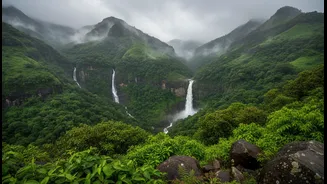
If you thrive in a classic tropical environment where the air is thick with moisture and life feels lush and vibrant, you have a world of options. This climate is defined by its warm, moist air that supports dense jungles and rich biodiversity. Destinations like Kerala, Goa, and the Andaman and Nicobar Islands in India offer this quintessential tropical experience. Internationally, places like Bali, Thailand, Costa Rica, and the Caribbean are famous for their humid heat, beautiful beaches, and verdant landscapes. These locations are perfect for those who love swimming in warm seas, exploring rainforests, and don't mind a bit of perspiration. The constant moisture keeps the scenery green and the evenings balmy, perfect for outdoor dining.
For Those Who Prefer Hot and Dry
If you prefer your heat without the sticky side effects, a dry, arid climate is your best bet. In these regions, even high temperatures can feel more manageable because your body can cool itself more efficiently. You'll find this climate in desert and semi-arid regions. In India, parts of Rajasthan and Gujarat, like Udaipur or the Rann of Kutch, offer majestic landscapes with dry heat, especially outside of the monsoon season. Internationally, destinations like Egypt, Dubai, Palm Springs in California, and parts of Australia are prime examples. These places are ideal for those who enjoy dramatic desert landscapes, clear skies, and cooler nights. The key here is to stay hydrated, as the dry air can dehydrate you faster than you realise.
For a Mild and Pleasant Escape
Perhaps you're not a fan of extreme heat at all. Many travellers seek destinations with moderate temperatures and low humidity, offering pleasant weather for sightseeing and outdoor activities without breaking a sweat. Hill stations across India, such as Shimla, Manali, Ooty, and Coorg, have long been havens for those looking to escape the heat of the plains. These places offer cool, fresh air and comfortable conditions. Many European cities, particularly in the spring and autumn, provide a similar mild climate perfect for urban exploration. Other options include coastal California or the highlands of countries like Colombia and Ecuador, where altitude keeps temperatures pleasant year-round.
For Lovers of Cool and Crisp Air
For some, the best vacation is a complete escape from heat altogether. These 'coolcations' are growing in popularity as travellers seek refuge from rising summer temperatures. Destinations offering crisp, cool air and invigorating weather are the goal. High-altitude locations like Leh-Ladakh and Spiti Valley in India are perfect examples, offering breathtaking mountain scenery in a cold desert climate. Internationally, places like Scandinavia, Canada, Iceland, and New Zealand beckon with their mild summers, stunning natural beauty, and opportunities for hiking and exploring in comfort. These destinations provide a refreshing alternative, where you might need a light jacket even in July.