





What Exactly Has Changed?
The government has overhauled the Foreign Direct Investment (FDI) rules for the space sector, moving away from a restrictive, approval-based system. Previously, any foreign investment in satellite-related activities required government approval. The new
policy, announced in early 2024, creates a tiered system with clear, liberalised entry routes for investors. This change is designed to provide clarity, attract significant foreign capital, and boost technology transfer into India’s burgeoning space ecosystem. The goal is to make investing in India's space companies more straightforward and appealing.
A Three-Tiered Investment Framework
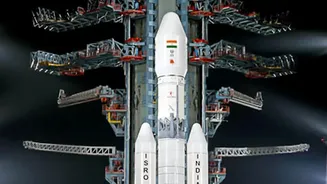
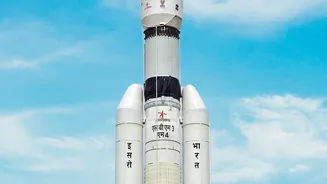
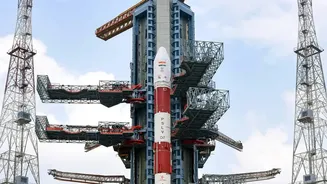
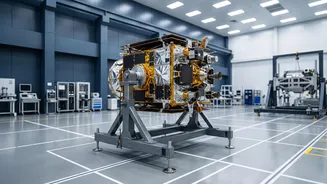
The new policy isn't a one-size-fits-all approach. It divides space activities into three distinct categories for FDI. First, for the manufacturing of components, systems, and sub-systems for satellites and ground segments, 100% FDI is now permitted through the 'automatic route', meaning no prior government approval is needed. Second, for satellite manufacturing, operations, and data products, up to 74% FDI is allowed via the automatic route. Third, for more sensitive areas like launch vehicles, their associated systems, and the creation of spaceports, up to 49% FDI is allowed automatically. For investments beyond the 74% and 49% automatic caps, the government approval route is still available.
Why the Big Push Now?
This policy shift is a cornerstone of the Indian Space Policy 2023, which aims to unlock the sector's potential through greater private participation. The government wants to grow India's share of the US$360 billion global space economy from a mere 2% to a more formidable figure, with some projections aiming for US$44 billion by 2033. For years, the sector was dominated by the Indian Space Research Organisation (ISRO). Now, with over 400 private space startups emerging, there is a clear need for significant capital to fund innovation, scale up manufacturing, and compete globally. This move helps bridge that funding gap.
Who Benefits from These Changes?
The primary beneficiaries are India's private space companies. Startups in satellite manufacturing, launch vehicle development, and component creation can now more easily attract foreign partners and capital, helping them scale operations. Foreign investors also win, gaining clearer and easier access to a high-growth market known for its cost-effective engineering talent. This influx of capital and technology is expected to help Indian Micro, Small & Medium Enterprises (MSMEs) in the aerospace sector transition from being domestic suppliers to global players. Ultimately, it is intended to create a more dynamic and competitive ecosystem, fostering job creation and self-reliance under the 'Make in India' initiative.
The Role of IN-SPACe and the Road Ahead
The Indian National Space Promotion and Authorisation Centre (IN-SPACe), established in 2020, remains the crucial single-window agency for this new era. It will continue to authorize and regulate private space activities, ensuring that all players, including those with foreign investment, align with national guidelines. While the FDI changes provide the fuel, IN-SPACe acts as the flight director, guiding private entities. The road ahead involves translating this policy into on-the-ground investment, fostering collaborations between Indian startups and global giants, and ensuring that ISRO can focus on its core mandate of advanced research and deep space exploration.