








Start with Paperwork, Not Destinations
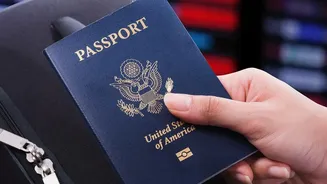
The most common mistake first-time travellers make is falling in love with a destination before checking their documents. Your passport is your most important travel tool. Before you book anything, ensure it is valid for at least six months beyond your planned
return date, as many countries will deny entry without this buffer. Also, check that you have at least two to four blank pages for stamps. If you don't have a passport, apply immediately, as processing can take several weeks. Once your passport is sorted, research the visa requirements for your potential destinations. For a stress-free first experience, consider countries that offer Indian citizens a visa-on-arrival or a simple e-visa process, like Thailand, Indonesia, or the UAE.
Build a Budget That Breathes
A successful trip begins with a realistic budget. The cost of a flight is just the starting point. A comprehensive budget should account for flights, accommodation, visa fees, travel insurance, food, local transport, and activities. A common error is not leaving room for unexpected expenses or splurges. A good rule is to add a 10-15% buffer for emergencies or spontaneous opportunities. To save money, consider travelling during the 'shoulder season'—the period just before or after the peak tourist rush. Booking flights two to three months in advance and on weekdays can also lead to significant savings.
Book Flights and Stays Strategically
While it's tempting to grab the cheapest flight, always check the details. Extremely long layovers can leave you exhausted before your vacation even starts. Similarly, look at the baggage allowance; budget airlines often have strict limits, and extra fees can negate initial savings. When booking accommodation, location is key. A cheap hotel far from the city centre might cost you more in time and transport fares. Read recent reviews, check for proximity to public transport, and prioritise safety and comfort, especially on a first trip. Don't try to save a few rupees at the expense of a good night's sleep.
Craft a Flexible Itinerary
One of the biggest mistakes is over-planning. Trying to see an entire country in a week will only lead to burnout. A good itinerary balances major attractions with downtime. Don't schedule every minute; leave room for spontaneous discoveries, rest days, and unexpected delays. Research local customs, basic phrases, and etiquette before you go. Understanding and respecting the local culture not only prevents awkward moments but also opens the door to more authentic and meaningful interactions with the people you meet.
Handle Your Money Matters
Managing money abroad requires a multi-pronged approach. Relying solely on cash is risky, while depending only on one card can be problematic if it gets blocked or lost. Before you leave, inform your bank of your travel dates to prevent your cards from being frozen for suspicious activity. The best strategy is a mix of payment options. Use a multi-currency forex card for competitive exchange rates, carry an international-friendly credit or debit card with low to zero foreign transaction fees, and have a small amount of local currency for immediate expenses like taxis upon arrival. Avoid exchanging large sums of money at airport kiosks, which typically have poor rates.
Pack Smart, Not Your Entire Wardrobe
Overpacking is a classic first-timer mistake. Lugging a heavy suitcase is physically draining and can lead to excess baggage fees. Lay out everything you think you need, then put half of it back. Pack versatile clothing in a neutral palette that you can mix and match. Always pack a change of clothes, any essential medications, chargers, and copies of your documents in your carry-on bag, just in case your checked luggage is delayed. Also, check the voltage of your destination and pack a universal travel adapter.
Don’t Skip Travel Insurance
It might feel like an unnecessary expense, but travel insurance is non-negotiable. It's your safety net against a wide range of potential issues, from trip cancellations and lost luggage to, most importantly, medical emergencies. Healthcare costs in foreign countries can be exorbitant, and your domestic health plan likely won't cover you. Ensure your policy covers your destination and any activities you plan to do. Before you leave, make digital and physical copies of all your important documents—passport, visa, insurance policy, and flight confirmations. Leave one copy with a trusted person back home.