





What Are the Orionids?
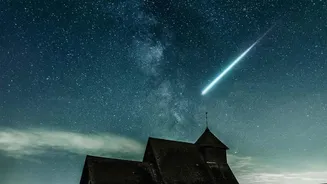
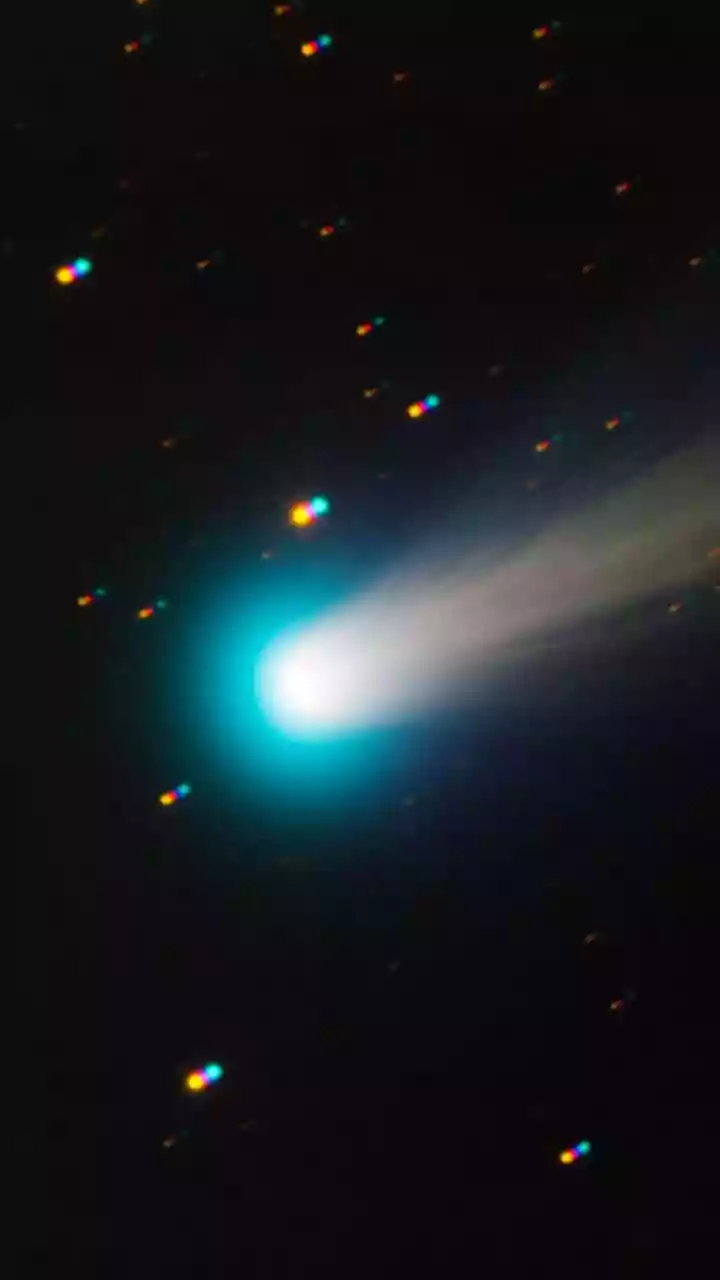
The Orionid meteor shower is an annual celestial event that occurs when Earth passes through the trail of debris left by Halley's Comet. While the comet itself only graces our skies once every 76 years, its dusty leftovers give us a reliable and beautiful
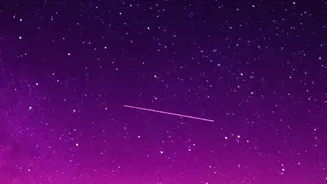
show every October. These tiny particles, often no bigger than a grain of sand, burn up upon entering our atmosphere at incredible speeds of around 66 kilometres per second. This immense speed is what makes the Orionids so special, as they can produce very bright meteors, some of which leave glowing trails that linger for a few seconds. It’s a direct, tangible connection to one of the most famous comets in history, visible from our own backyards.
When Is the Best Time to Watch in 2026?
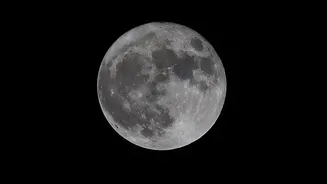
The Orionid meteor shower is active throughout October and into early November. However, for the best possible show, you should aim for the peak. In 2026, the peak is predicted to occur on the night of October 21st and into the early morning hours of October 22nd. The ideal viewing time begins after midnight and continues until dawn. This is when the shower's radiant point in the constellation Orion is highest in the sky, and the darkness is at its deepest. Plan to be patient; you might see around 15 to 20 meteors per hour under perfect conditions. The moon will be in its last quarter, rising later in the night, which means there will be a good window of dark, moon-free sky for viewers after midnight.
Where to Look in the Sky
As their name suggests, the Orionids appear to radiate from a point within the constellation Orion, the Hunter. To find it, look for the three bright stars that form Orion's belt—a straight line that is one of the most recognisable patterns in the night sky. The radiant is located just above the belt, near the bright, reddish star Betelgeuse. However, you don't need to stare directly at this point. In fact, it’s better not to. The meteors will appear across the entire sky, and their trails will often look longer and more spectacular farther from the radiant. The best technique is to find a comfortable position, look generally upward towards the darkest part of the sky, and let your eyes wander.
Finding the Perfect Viewing Spot
The single most important factor for a successful meteor shower viewing is a dark sky. For city dwellers in India, this is often the biggest challenge. The glare from streetlights, buildings, and vehicles creates light pollution that can wash out all but the brightest meteors. To maximize your chances, try to get as far away from city centres as possible. This could mean driving to a rural area, a remote beach, or a designated dark-sky park if one is nearby. If you must stay within the city, find a spot with the least direct light possible. A large park, a golf course, or even the rooftop of a tall building (with lights turned off) can be a significant improvement over a brightly lit street.
Essential Tips for a Great Experience
Once you have your time and location sorted, a few simple preparations can make the experience much more enjoyable. First, put away your phone. The bright screen will ruin your night vision. It takes about 20 to 30 minutes for your eyes to fully adapt to the darkness, so allow them that time. Second, no special equipment is needed. Binoculars and telescopes have a narrow field of view, making them unsuitable for catching the fleeting streaks of meteors. Your eyes are the best tool for the job. Third, comfort is key. You will be looking up for a long time, so bring a blanket, a yoga mat, or a reclining chair to lie on. Finally, check the weather forecast before you go. Clouds can completely spoil the show, so aim for a night with clear skies.