



The Allure of the Instagram Office
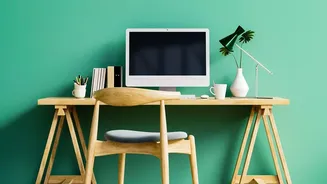
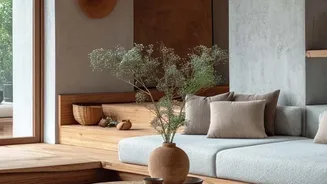
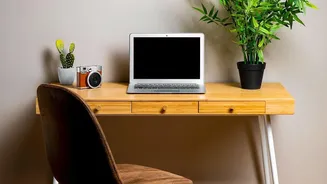
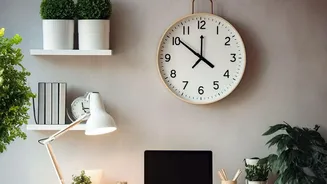
Scroll through any social media platform, and you'll find them: home offices bathed in neutral colours, with a single sleek laptop on a sparse wooden desk, a few artfully placed plants, and perhaps a single, aspirational quote in a frame. These spaces
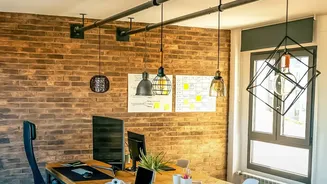
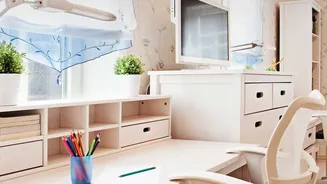
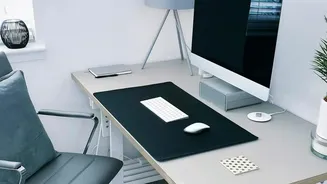
are clean, calming, and undeniably beautiful. Popular trends often lean towards 'Scandi' minimalism with white walls and simple furniture, creating a professional backdrop that's perfect for video calls. The problem is that these picture-perfect setups are often designed for looks, not for the messy reality of a 40-hour work week. They prioritise aesthetics over function, which can lead to frustration, disorganisation, and even physical discomfort.
Function First: Auditing Your Daily Tasks
Before you buy a single piece of furniture or a trendy accessory, the most important step is to understand what you actually do all day. A space designed for deep, focused work will look very different from one built for constant collaboration. Start by asking yourself some key questions. How much of your day is spent on video calls? Do you need space to spread out physical documents? Is your work primarily digital and requires multiple monitors? Do you engage in creative tasks that might get messy? Making a list of your primary, secondary, and occasional tasks will give you a blueprint for a workspace that truly serves you, rather than one you have to fight against.
The Ergonomic Imperative
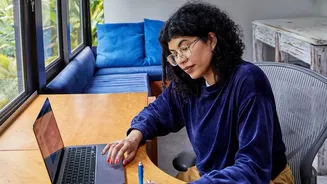
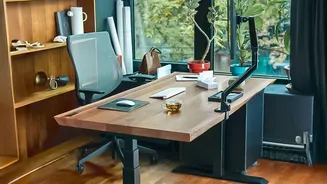
One area where trends often fail is ergonomics—the science of designing a workspace to fit the user. A stylish but unsupportive chair can lead to back and neck pain, while a desk at the wrong height can cause wrist and shoulder strain. Experts recommend an adjustable chair that allows your feet to rest flat on the floor with your knees level with or slightly below your hips. Your monitor should be positioned so the top of the screen is at or just below eye level to maintain a neutral neck posture. Similarly, your keyboard and mouse should be placed so your wrists remain straight and your elbows are bent at a roughly 90-degree angle. These adjustments might not always look the most 'aesthetic,' but they are critical for long-term health and comfort.
Designing for Your Work Style
Once you know your tasks and ergonomic needs, you can design a space that enhances your specific workflow. If you're a writer, analyst, or programmer who needs long stretches of uninterrupted focus, prioritise a quiet space away from household traffic. Consider noise-cancelling headphones and organisational systems that keep clutter out of sight. For creatives like designers or artists, a larger desk surface for sketching and durable materials might be key, along with ample storage for supplies and inspirational mood boards. For roles heavy on communication, such as sales or management, focus on the video call experience. Pay attention to your background, ensure good lighting, and use a headset to improve audio quality and free your hands.
Smart Storage and Personal Touches
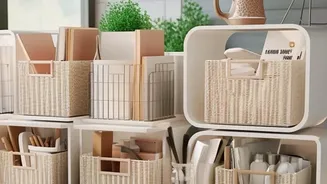
A functional office is an organised one. Clutter can be a major source of distraction and stress, making it harder to focus. Instead of the single floating shelf popular on social media, opt for storage solutions that match your needs, whether that's a filing cabinet for documents, drawers for stationery, or bookshelves. Utilise vertical space with wall-mounted shelves to keep your desk clear. Finally, while function is paramount, your office should also be a space where you feel good. After addressing the practical needs, add personal touches that inspire you, whether it's photos, meaningful artwork, or plants. Choosing colours and textures you love can boost morale and make work more enjoyable.