


The Invisible Invaders: Meet the Microbes
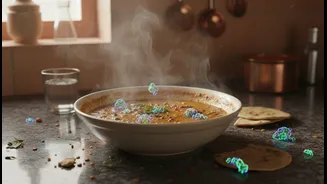
The main culprits behind food spoilage are invisible to the naked eye: bacteria, yeasts, and moulds. These microorganisms are present everywhere in our environment. Most are harmless, but when they land on a food source with the right conditions, they begin
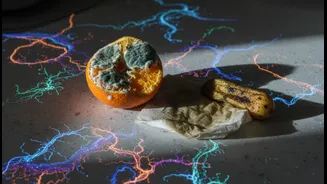
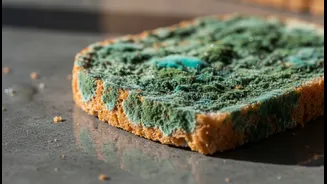
to multiply rapidly. Bacteria like Pseudomonas can cause sliminess on meat, while yeasts ferment sugars in fruit juices, and moulds create the familiar fuzzy spots on bread and fruits. They break down the food for their own energy, and in the process, they change its texture, flavour, smell, and safety, leading to what we recognise as spoilage.
The Perfect Storm: Heat and Humidity
If microbes are the invaders, then heat and humidity are their most powerful allies. Microorganisms, like all living things, need water and warmth to thrive. Humidity refers to the amount of moisture in the air. In a high-humidity environment, the air is saturated with water vapour, which then settles on surfaces, including our food. This provides the free water that microbes need for their metabolic processes. Compounding this is temperature. Most spoilage microbes are 'mesophilic', meaning they grow best at moderate to warm temperatures, typically between 20°C and 45°C. High temperatures accelerate their biological clock, allowing them to reproduce exponentially. This combination of ample moisture from humidity and accelerated growth from heat creates a perfect storm for rapid food spoilage.
The Indian Kitchen Connection
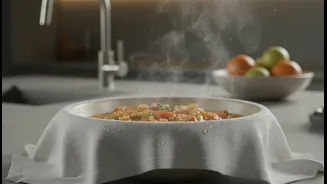
Indian kitchens, particularly during the monsoon season, become ideal incubators for these microbes. The ambient humidity across many parts of India is already high. Add to that the steam from cooking rice, boiling dal, and preparing tadkas, and the moisture level inside the kitchen skyrockets. Many kitchens may have limited ventilation, trapping this warm, moist air for longer periods. Surfaces that seem dry can have a thin, invisible layer of moisture, making them a welcoming home for any stray mould spore or bacterium. This is why bread develops mould faster, crackers lose their crispness, and leftover cooked foods can turn sour in a matter of hours, far quicker than they might in a drier climate.
Controlling Your Kitchen Environment
While you can't change the weather, you can control your kitchen's micro-environment. Good ventilation is your first line of defence. Use an exhaust fan every time you cook to pull steam and heat out of the room. Make it a habit to wipe down countertops, stovetops, and sinks regularly to keep them dry. Don't let wet dishes pile up. It’s also crucial to manage your food properly. While it's wise to let hot food cool down before refrigerating, don't leave it on the counter for more than a couple of hours, as this is prime time for bacterial growth. Promptly storing leftovers in the fridge slows down microbial activity significantly.
Smart Storage: Winning the War on Spoilage
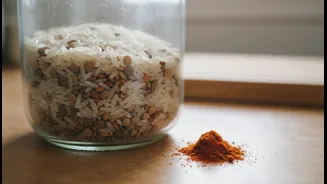
How you store your food is just as important as how you cook it. Airtight containers are essential in a humid climate. They create a barrier that prevents moisture in the air from reaching dry goods like spices, grains, and biscuits, keeping them from getting damp and mouldy. For perishable items, the refrigerator is your best friend. Different foods require different conditions; for instance, fruits and vegetables often need higher humidity to stay fresh, which is what the crisper drawer is designed for. Always store cooked food and raw items separately to avoid cross-contamination. By adopting a 'First In, First Out' (FIFO) system, you ensure that older items get used before they have a chance to spoil.