

A Tradition Born from Necessity
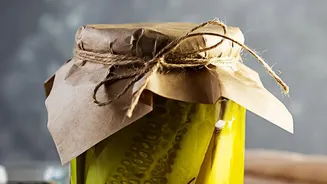
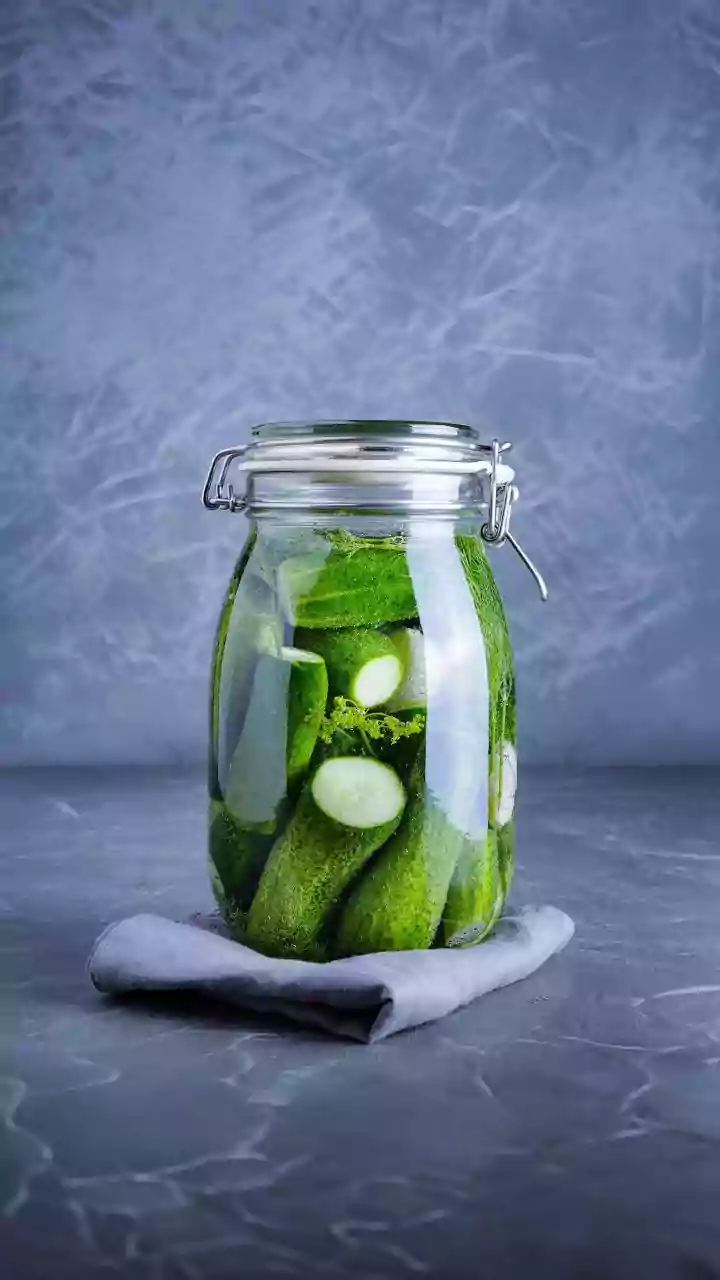
Long before refrigerators became a kitchen staple, Indian households faced a fundamental challenge: how to enjoy the bounty of seasonal produce all year round. The answer was pickling, a tradition that dates back thousands of years. This ancient preservation
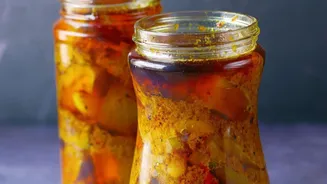
technique was a practical solution to prevent spoilage, especially in a country with diverse and often extreme climates. By preserving fruits and vegetables when they were abundant, families could ensure a supply of food during off-seasons or the monsoon months when fresh produce was scarce. The process was simple yet ingenious, transforming perishable items like raw mangoes, lemons, and gooseberries into shelf-stable delicacies that could last for months, or even years. This wasn't just about survival; it was about capturing the essence of a season in a jar.
The Science Inside the Spice Jar
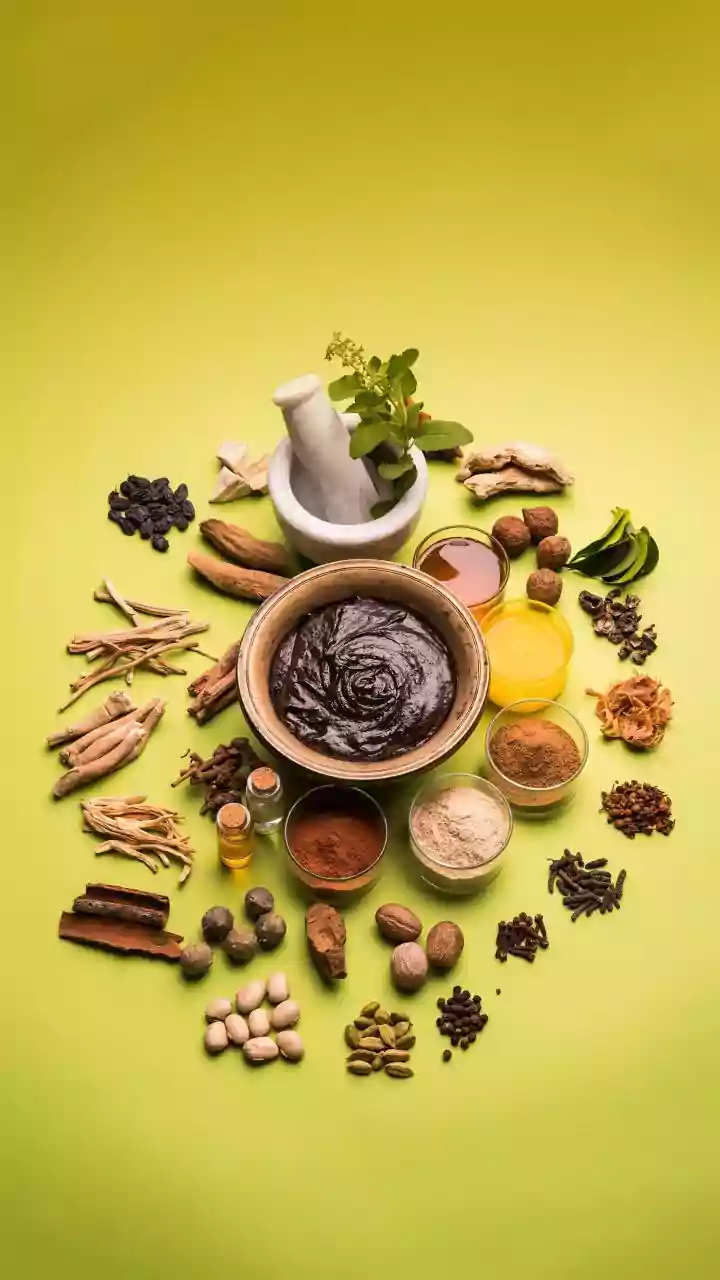
The magic of Indian pickling, or 'achaar', lies in a masterful blend of science and culinary art. The primary goal is to create an environment where spoilage-causing microbes cannot survive. This is achieved through several key components. Salt is crucial; it draws out moisture from the produce, which inhibits bacterial growth. Oil, typically pungent mustard oil in the north or sesame oil in the south, acts as a protective barrier, sealing the pickle from air and moisture. Acidic ingredients like lime juice or vinegar lower the pH, further preventing spoilage. But the true genius is in the spices. Turmeric, fenugreek (methi), and mustard seeds (rai) aren't just for flavour; they possess powerful antimicrobial and antifungal properties that act as natural preservatives. The process often involves sun-drying the ingredients to reduce moisture content before they are mixed with spices and oil, and then allowing them to mature under the sun, which facilitates a natural fermentation process.
A Culinary Map of India
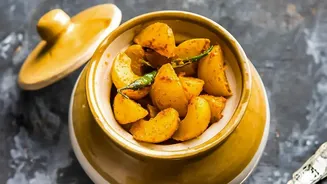
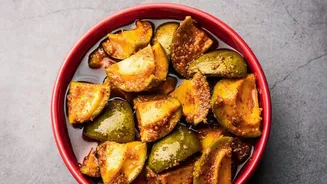
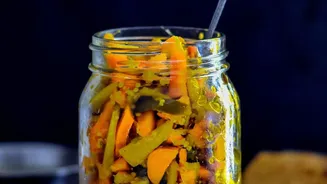
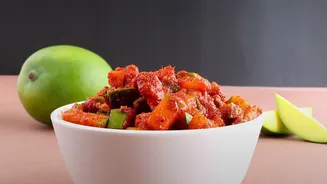
To speak of a single 'Indian pickle' is impossible. The tradition is as diverse as the country itself, with every region and even every family having its own treasured recipes. In the north, you'll find the robust flavours of 'Gajar-Gobi-Shalgam' (carrot, cauliflower, turnip) pickle, often defined by the sharp taste of mustard oil and spices like fennel. Head west to Gujarat, and you will find the iconic 'Chhundo', a sweet and spicy grated mango pickle. The south is famous for its fiery and tangy creations. Andhra Pradesh's 'Avakaya', a bold mango pickle made with a generous amount of mustard powder and red chilli, is a legend in itself, as is the tangy 'Gongura' pickle made from sorrel leaves. In Kerala, you might find seafood pickles made with prawns, while the Northeast boasts unique varieties using bamboo shoots and the fiery Bhut Jolokia chilli. These regional differences reflect local agriculture, climate, and taste preferences, painting a vibrant culinary map of the subcontinent.
More Than Just a Condiment
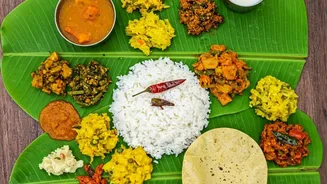
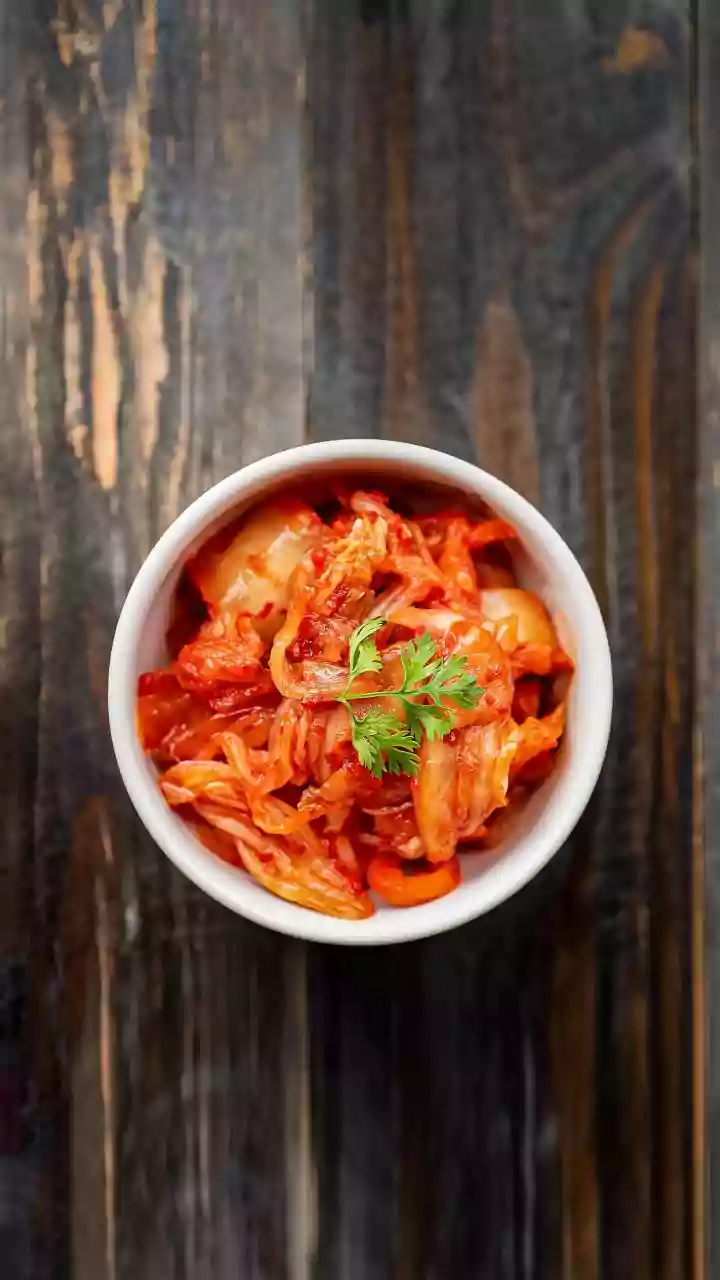
Achaar is far more than a simple side dish to spice up a meal of dal and rice. It plays a vital cultural and nutritional role. Making pickles is often a communal activity, a ritual that brings families together, with recipes passed down through generations as cherished heirlooms. A jar of homemade pickle is considered a symbol of love and hospitality. Nutritionally, traditionally fermented pickles are a source of probiotics—beneficial bacteria that support gut health and aid digestion. Ingredients like amla (gooseberry) and lemon make for pickles rich in Vitamin C, while spices like turmeric offer anti-inflammatory benefits. It serves as a palate cleanser, a flavour enhancer, and a comforting taste of home, capable of transforming the simplest meal into a memorable feast.