





The Sweet Basics: What Are They?
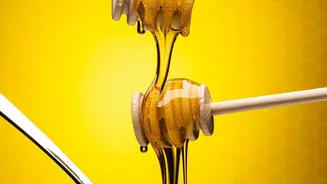
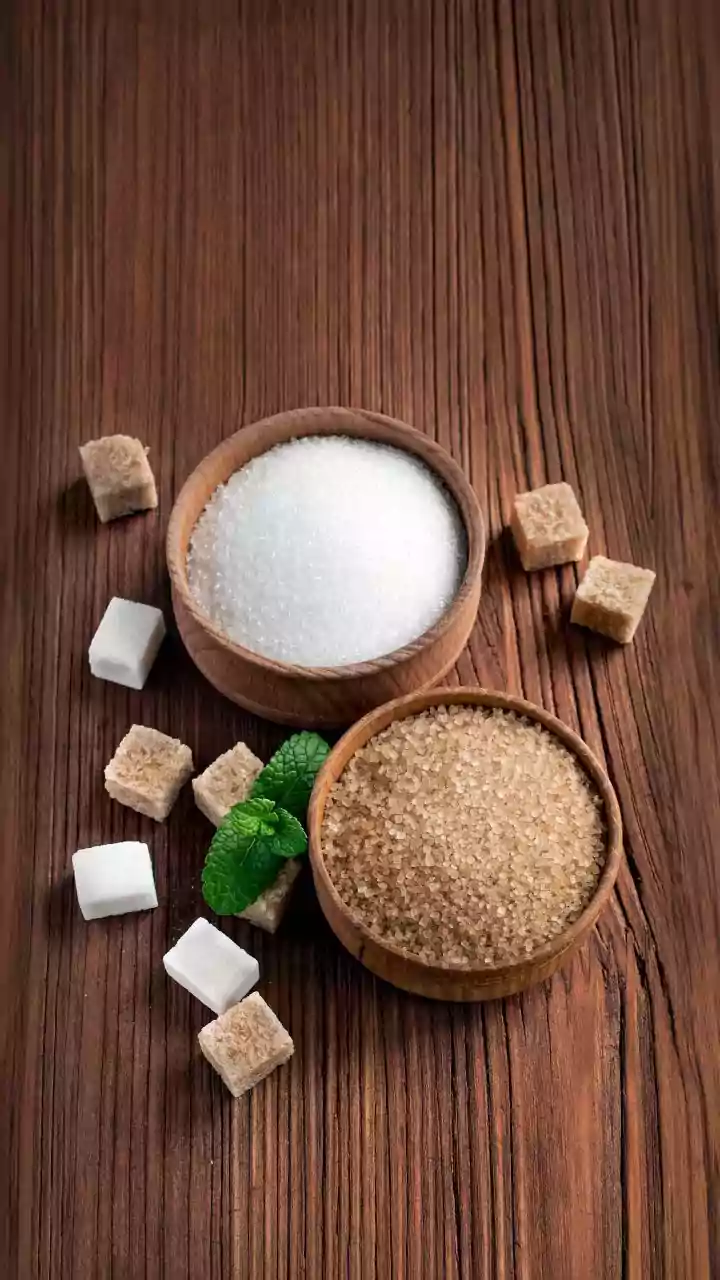
At its core, table sugar, or sucrose, is a simple carbohydrate refined from sugar cane or sugar beets. The process strips away all other nutrients, leaving pure sweetness. Honey, on the other hand, is a natural sweet liquid produced by bees from the nectar
of flowers. It’s primarily composed of two simple sugars, fructose and glucose, along with water. But unlike refined sugar, it also contains a variety of other compounds in small amounts.
The Mineral Question: A Reality Check
This is the central claim: that honey provides minerals sugar lacks. This is technically true. Honey contains trace amounts of minerals like potassium, calcium, iron, and magnesium. However, the key word is 'trace'. The amounts are so small that you would need to consume a very large quantity of honey to make any meaningful contribution to your daily mineral needs. For example, while honey does have more potassium than sugar, the amount in a typical serving is minimal. So, while it's not nutritionally empty like sugar, choosing honey solely for its mineral content is misguided.
Calories and Sweetness: A Sticky Point
One area where the two sweeteners differ is in their caloric density and sweetness. A tablespoon of honey actually contains more calories than a tablespoon of sugar—roughly 64 calories compared to sugar's 49. This is because honey is denser. However, honey is also sweeter than sugar, mainly due to its higher fructose content. This means you might be satisfied using less of it, which could potentially even out the calorie difference in practice.
Blood Sugar and the Glycemic Index
The glycemic index (GI) measures how quickly a food raises blood sugar levels. Here, honey often has a slight edge. Table sugar has a GI of around 65. The GI of honey can vary widely depending on the type, from as low as 45 to over 75, but the average is often cited as being slightly lower than sugar, around 58. This means honey may raise blood sugar a bit more slowly than table sugar, which could be a modest benefit. However, it is still a high-sugar food and will cause a significant rise in blood glucose.
Beyond Minerals: Honey's Other Perks
Where honey truly stands apart from sugar is in its additional bioactive compounds. Raw honey contains antioxidants, such as flavonoids and phenolic acids, which are entirely absent in refined sugar. These compounds may help protect the body's cells from damage. Darker honeys tend to have a higher antioxidant content. Honey also possesses natural enzymes and has been noted for its antimicrobial properties, which is why it has a long history in traditional remedies for things like coughs and sore throats.