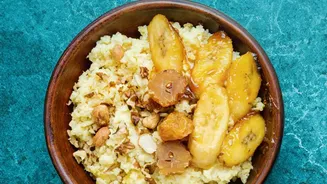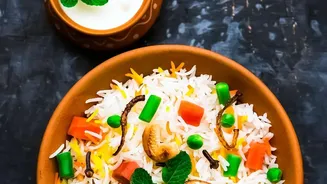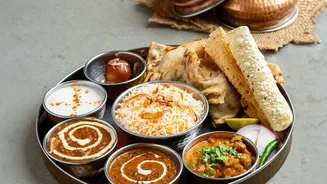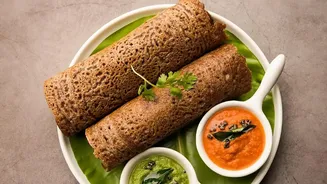

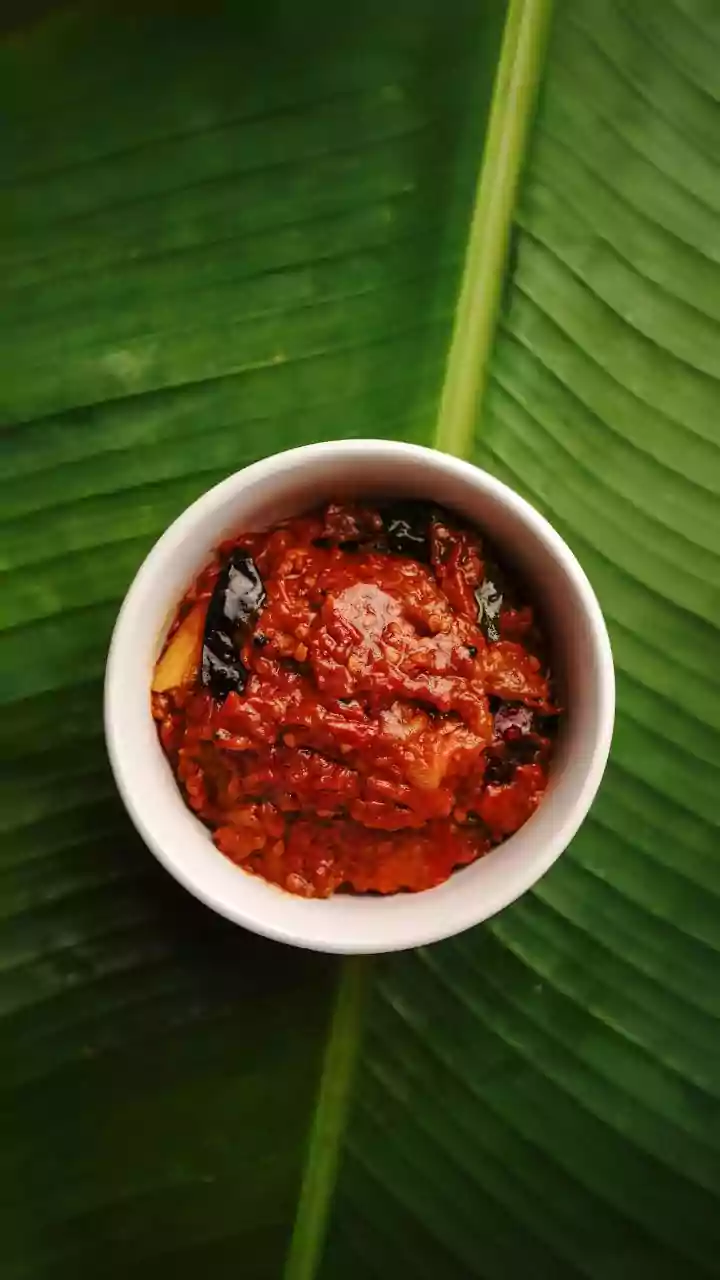

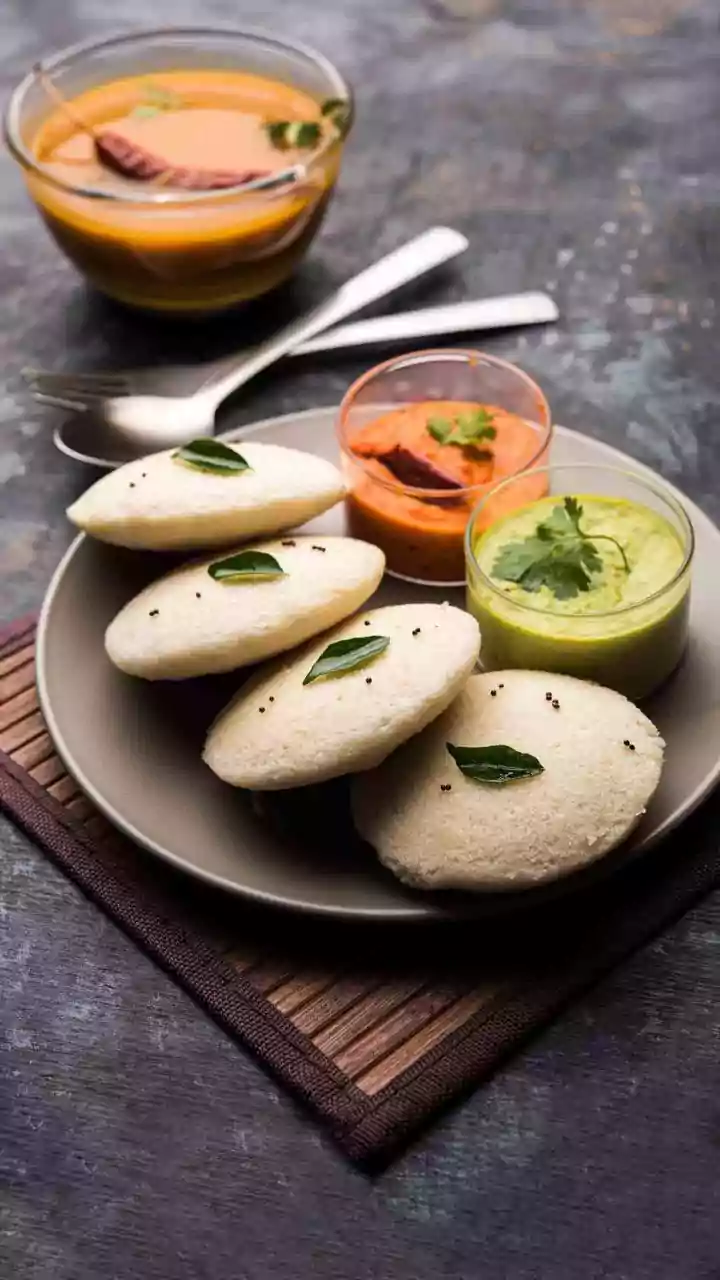

After years dominated by quick takeaways and dining out, a quiet but powerful shift is happening in Indian kitchens. More people are choosing the comfort and nourishment of 'ghar ka khana' for their daily meals. What’s driving this return to roots?
A Post-Pandemic Health Awakening
A significant
driver is the collective shift towards wellness. The pandemic highlighted the importance of immunity, and many people are now more conscious about what they consume. There's a growing awareness that traditional Indian cooking, with its emphasis on fresh, seasonal ingredients and spices like turmeric, ginger, and cumin, naturally aligns with a healthier lifestyle. Unlike many restaurant dishes prepared for richness, home food offers control over oil, salt, and preservatives, which is a major advantage. This has led to a rediscovery of how ancient food wisdom can support modern health goals like better digestion and overall well-being.
The Economics of Eating Well
The simple act of eating out or ordering in daily has become a significant monthly expense for many urban professionals and families. With rising costs across the board, home-cooked meals present a clear financial benefit. Cooking at home is often more affordable than relying on subsidised LPG or other fuels for some households. The ingredients for a simple dal, sabzi, and roti are far more budget-friendly than a restaurant equivalent, which includes taxes, delivery fees, and premium pricing. This economic reality is encouraging people, especially those on a tight budget, to rediscover the cost-effectiveness and sustainability of a home kitchen.
Nostalgia on a Plate
Food is deeply tied to memory and emotion. For many Indians, especially those living away from their families, a simple, home-cooked meal offers a powerful sense of comfort and connection. This 'regional taste nostalgia' is a strong emotional driver, reminding people of childhood, family gatherings, and cultural traditions. In a fast-paced, often stressful world, the familiar aroma and taste of 'ghar ka khana' can be therapeutic, providing a grounding experience that fast food cannot replicate. This craving for authenticity and emotional comfort is a major factor in people choosing traditional dishes over quick, commercial alternatives.
Control and Conscious Consumption
Beyond health and cost, there is a growing desire for transparency and control. When you cook at home, you know exactly what is going into your food—the quality of the oil, the freshness of the vegetables, and the hygiene of the preparation. This concern about preservatives, additives, and the general quality of commercial kitchens is pushing more individuals to take charge of their meals. This movement isn’t about rejecting convenience entirely; it’s about redefining it. People are finding a new kind of satisfaction and security in preparing meals themselves, ensuring their food is not only tasty but also trustworthy.
The New Face of Convenience
While home cooking may seem less convenient than a 30ndeliveries delivery, the definition of convenience is evolving. The market has responded with 'home-style' meal subscription services and platforms that connect customers with local home chefs, offering the taste of home without the effort. Furthermore, many are discovering that traditional Indian cooking doesn't have to be laborious. Simple, everyday dishes like khichdi, dal-rice, or a basic sabzi are quick to prepare. The act of cooking itself is also being reframed as a form of selfcare and a therapeutic break from the screenndominated modern life, making it a welcome part of the daily routine rather than a chore.