


Why Go High and Early?
Timing is everything. Planning a high-altitude trip between April and early June offers a sweet spot that many travellers miss. The most obvious benefit is escaping the suffocating pre-monsoon heat that blankets the Indian plains. While cities swelter
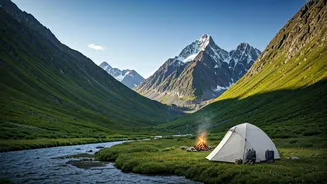
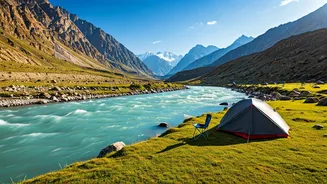
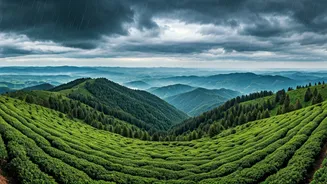
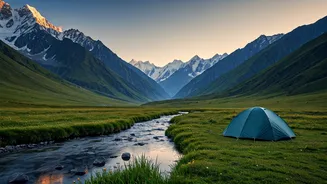
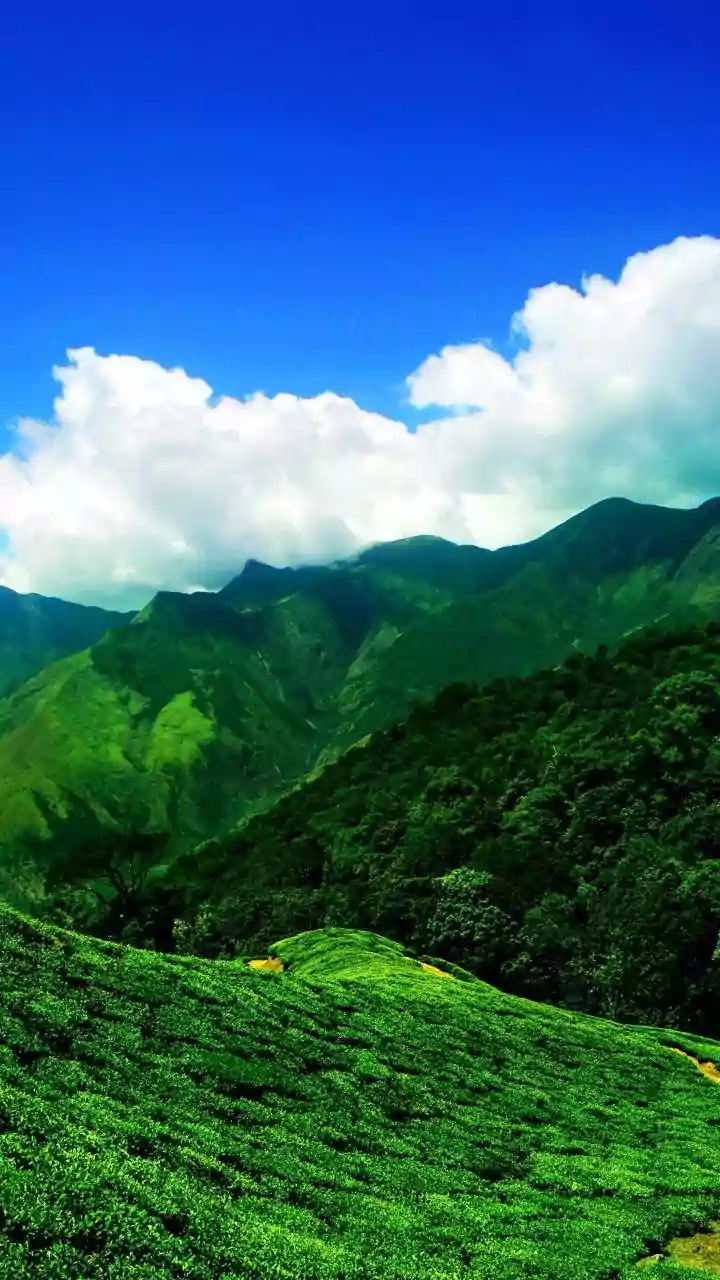
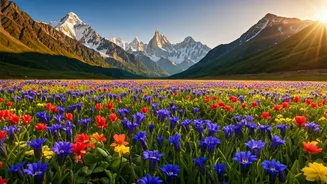
in 40°C-plus temperatures, the high Himalayas offer crisp, cool air and pleasantly warm sunshine. Beyond the climate, going 'early' means you beat the peak season rush. School holidays haven't yet begun, and the monsoon crowds are still weeks away. This translates to quieter trails, more available accommodation, and a more serene connection with nature. The landscape is also at its most vibrant during this period. Winter's snow has melted, feeding streams and turning meadows a brilliant, lush green, dotted with early-season wildflowers. It’s a sensory reset from the concrete and dust of urban life.
Finding Your Mountain Paradise
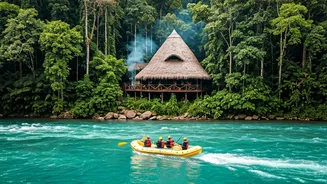
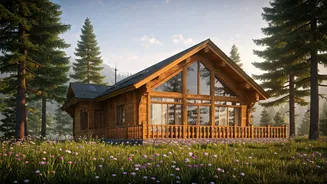
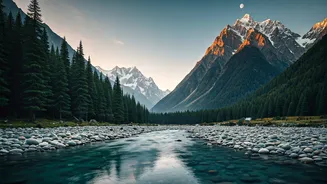
India's Himalayas are vast, but certain regions are perfect for early-season eco-camping. In Himachal Pradesh, consider the Tirthan Valley, part of the Great Himalayan National Park ecozone. It's a haven for angling, hiking, and staying in community-run homestays or campsites. The Parvati Valley, while more famous, has quieter upstream villages like Pulga or Tulga that offer pristine forests and stunning views before the summer crowds descend. In Uttarakhand, the region around Chopta, often called the 'Mini Switzerland of India', provides accessible trails like the trek to Tungnath temple. The Kumaon region, with its gentle slopes and panoramic views from places like Binsar Wildlife Sanctuary, is another fantastic option for those seeking solitude and deep pine forests. The key is to look for destinations that offer established campsites or areas where responsible camping is permitted, often managed by local communities.
The 'Eco' in Eco-Camping
Eco-camping is more than a buzzword; it's a commitment to leaving a place better than you found it. The core principle is 'Leave No Trace'. This means packing out everything you pack in, including all food wrappers, plastic bottles, and other waste. Avoid using disposable plastics by carrying a reusable water bottle and dabba. When nature calls, ensure you are at least 200 feet from any water source and dig a small 'cat hole' to bury human waste. Support the local economy by hiring local guides, porters, and staying at locally owned campsites. Their knowledge is invaluable for both safety and discovering hidden gems. Respect the local culture and wildlife. Don't play loud music, don't feed wild animals, and always ask for permission before photographing people. A truly eco-friendly trip enriches the local community and preserves the natural beauty you came to enjoy.
Packing Smart for the Altitude
High-altitude weather is notoriously fickle. The key is layering. Instead of one heavy jacket, pack multiple lighter layers: a base layer (thermal), a mid-layer (fleece or light down jacket), and a waterproof and windproof outer shell. This allows you to adapt as conditions change from a sunny afternoon to a chilly evening. Sturdy, broken-in hiking shoes with good grip are non-negotiable. The sun is much stronger at high altitudes, so a wide-brimmed hat, sunglasses, and high-SPF sunscreen are essential. Other must-haves include a basic first-aid kit, a powerful headlamp or torch, a power bank for your devices (as electricity can be unreliable), and insect repellent. Finally, a good-quality sleeping bag rated for the expected temperatures will ensure you stay warm and comfortable through the cold mountain nights.
Safety First on the Slopes
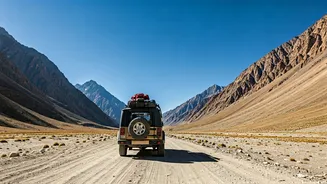
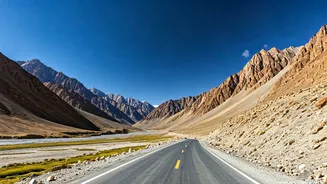
Adventure is thrilling, but safety is paramount. The biggest health concern at high altitudes is Acute Mountain Sickness (AMS). To avoid it, acclimatise properly. Don't ascend too quickly. If you're driving up, plan to spend a night or two at an intermediate altitude before heading higher. Stay hydrated by drinking plenty of water, and avoid alcohol for the first few days. Listen to your body; if you experience headaches, nausea, or dizziness, rest or descend to a lower altitude. Always check the weather forecast before heading out on a trek and be prepared for sudden changes. For any multi-day trek or exploration of remote areas, hiring an experienced local guide is the wisest decision you can make. They are trained in first aid, know the terrain, and can manage logistics, allowing you to focus on the experience.