


The Government’s Multi-Technology Push
India's strategy isn't to bet on a single winner. Instead, government policy is creating a mixed-technology ecosystem. On one hand, Production Linked Incentive (PLI) schemes and the new PM E-DRIVE program are channeling funds into electric vehicle (EV)
manufacturing and charging infrastructure. On the other hand, the new Corporate Average Fuel Economy (CAFE-III) norms, effective from April 2027, give compliance benefits not just to EVs, but also to strong hybrids and flex-fuel vehicles. This framework encourages automakers to pursue multiple pathways to reduce emissions and fuel consumption, acknowledging that a one-size-fits-all solution may not work for a diverse market like India.
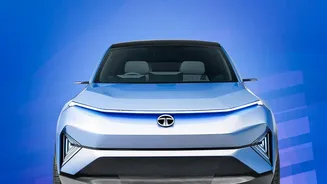
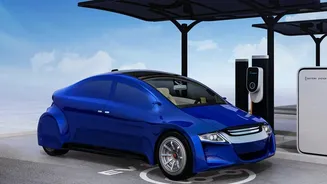
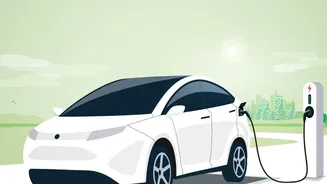
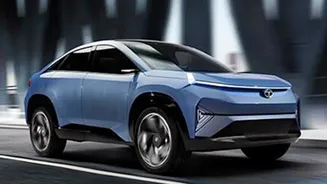
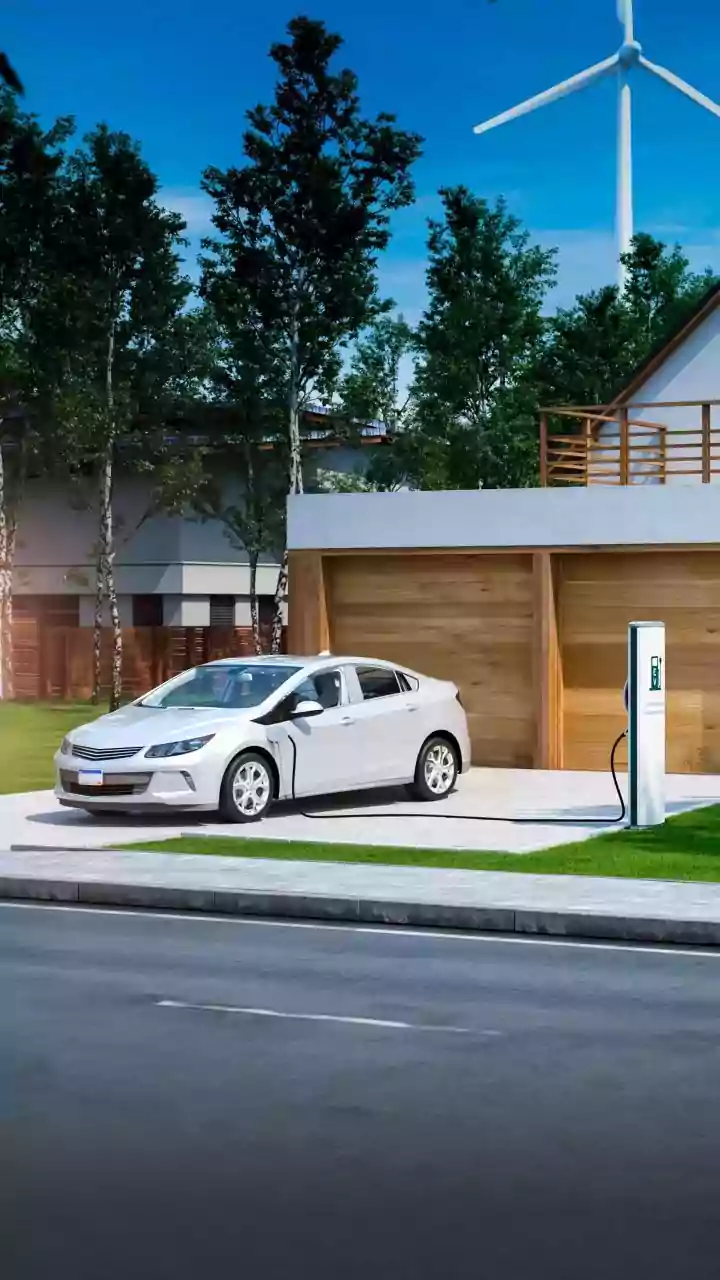
The Electric Vehicle Conundrum
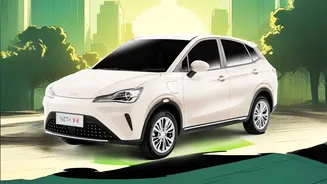
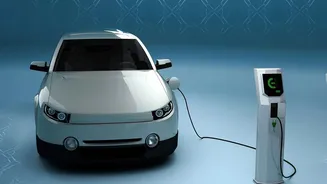
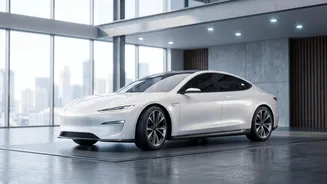
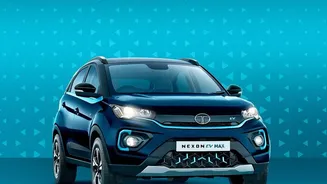
Electric vehicles have significant momentum, with sales growing nearly 30% year-on-year in FY26. The appeal is clear: extremely low running costs (as low as ₹1.5 per km), a silent driving experience, and zero tailpipe emissions. However, major hurdles remain. High upfront costs, consumer range anxiety, and the slow development of a reliable public charging network are significant barriers to mass adoption. As of early 2026, India had only about one public charger for every 225 EVs, a far cry from the density in countries like China. While the charging network is expanding, issues with reliability and interoperability between different service providers are emerging challenges.
Hybrids: The Pragmatic Bridge?
For many consumers, strong hybrids present a practical middle ground. They offer significant fuel efficiency gains over conventional petrol cars, especially in city traffic, without the range anxiety and charging dependency of pure EVs. Automakers like Maruti Suzuki and Toyota are championing this technology as a transitional solution perfectly suited for the current Indian context. However, the path for hybrids isn't entirely smooth. They are more mechanically complex and face a significant tax disadvantage compared to EVs, which benefit from a much lower 5% GST rate. Some state governments have also been hesitant to offer strong incentives for hybrids, preferring to focus policy support exclusively on zero-emission EVs.
The Rise of Homegrown Biofuels
Perhaps the most uniquely Indian part of this technology mix is the aggressive push for biofuels. The government has made ethanol blending a cornerstone of its energy security strategy, aiming to reduce dependence on imported oil. With E20 (20% ethanol blend) becoming the standard, the focus is now shifting to flex-fuel vehicles (FFVs). In June 2026, India's first commercially produced FFV, the Maruti Suzuki Wagon R Flex Fuel, was launched, capable of running on any blend up to E100. FFVs leverage existing fuel station infrastructure and support India’s agricultural sector, making them a politically and economically attractive option. The main challenge will be scaling up the distribution network for higher ethanol blends like E85.
The Consumer at the Crossroads
Ultimately, the Indian car buyer will decide the winners and losers. Over the next five years, the purchasing decision will become increasingly complex. It will involve weighing the high initial cost of an EV against its long-term running cost savings. It will mean comparing the convenience of a hybrid against the environmental benefits of an EV. Buyers will have to consider their daily commute, access to home charging, the resale value of new technologies, and how future-proof their investment is. This period will be one of intense competition, where automakers will have to perfect their technology offerings and pricing strategies to win over a discerning and value-conscious consumer base.