
A Nod to the Past
Before refrigeration, the larder was a cool, ventilated space for preserving food. Today, the term has evolved to describe a tall, standalone cupboard for storing dry goods, spices, and even small appliances. While often used interchangeably with 'pantry',
a freestanding larder is distinct from a built-in closet or a separate walk-in room. It is, in essence, a piece of furniture—one that brings both immense practicality and a strong design presence to a kitchen, moving with you from one home to the next.
The Modern Revival
So why are these cupboards suddenly so popular? The rise of open-plan living means our kitchens are constantly on display, fueling a desire for clever storage that conceals everyday clutter. A freestanding larder allows you to consolidate items from multiple cabinets into one organised hub. This trend is also part of a larger movement away from rigidly fitted kitchens towards more flexible, character-filled spaces that feel collected over time. A larder can act as a beautiful focal point, adding personality in a way that uniform cabinetry often cannot.
A Revolution in Organisation
The primary benefit of a larder is, of course, storage. By centralising your food items, you improve visibility, which can help reduce food waste and prevent you from buying duplicates of things you already own. More importantly, it helps achieve the dream of clear worktops. Appliances like air fryers, mixers, and toasters that would otherwise occupy valuable counter space can be neatly tucked away. Modern larders are masters of internal organisation, often featuring a combination of adjustable shelves, deep drawers, and spice racks on the doors to ensure every inch is used effectively.
Finding the Perfect Fit
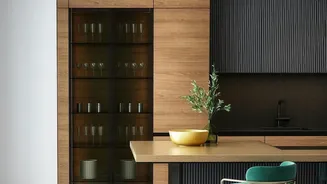
Adding a freestanding larder to an existing kitchen is simpler than a renovation. The key is to choose a piece that complements your current aesthetic. A painted Shaker-style larder might suit a classic kitchen, while a sleek, minimalist design could work in a contemporary space. Pay close attention to scale; the larder should feel substantial enough to be useful but not so large that it overwhelms the room or impedes workflow. Consider placing it at the end of a cabinet run or in an underutilised corner to create a functional and visually pleasing anchor point.
Thinking Outside the Box
Your options aren't limited to what's available in a kitchen showroom. Vintage armoires, antique cupboards, and old display cabinets can all be repurposed into charming and unique larders. This approach adds a layer of history and personality to your kitchen that is hard to replicate with a new purchase. For those with specific needs or awkward spaces, a bespoke or custom-built larder is another excellent option. This allows you to dictate the exact internal configuration and external finish, creating a truly personal and functional piece of furniture that perfectly suits your lifestyle.