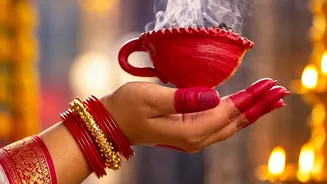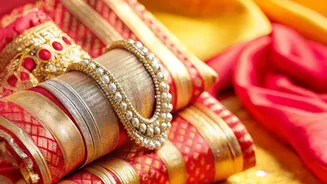









In India, the glint of gold is more than just ornamentation; it's a language of love, a symbol of prosperity, and a tangible blessing. This cherished tradition of gifting gold jewellery marks every significant milestone from birth to marriage.
More Than a Metal
In Indian
culture, gold is revered. It's considered a symbol of purity, prosperity, and good fortune, often associated with Goddess Lakshmi, the deity of wealth. This belief makes gold an auspicious gift, believed to invite divine blessings. Historically, it also served as a form of financial security, particularly for women. The tradition of gifting gold to daughters at their wedding, known as 'Streedhan', originated from a time when property laws largely favoured men. This gift of gold became her exclusive property, a financial safety net she could rely on. This practice underscores gold's dual role as both a sacred token and a practical asset.
From Birth to First Steps
The tradition of gifting gold begins right from birth. A newborn is often welcomed into the family with tiny gold bangles, a delicate chain, or small earrings. These gifts are not just adornments but are considered blessings for a long, healthy, and prosperous life. Milestones like the 'namakaran' (naming ceremony) or 'annaprashan' (first rice-eating ceremony) are other occasions where relatives, especially grandparents, gift gold to the child. Each piece becomes a cherished keepsake, a tangible piece of memory from a special day, connecting the child to their family heritage from the very beginning.
The Heart of a Wedding
No Indian wedding is complete without gold. It is central to the celebrations, symbolizing the wealth, status, and blessings of the families involved. The bride is adorned with elaborate gold jewellery, from the 'maang tikka' on her forehead to the layers of necklaces and bangles. Each piece carries symbolic meaning: the 'nath' (nose ring) signifies her marital status, while the 'mangal sutra', a sacred thread with gold and black beads, is tied by the groom and represents their lifelong union and his vow of protection. Gold is also exchanged between the two families, solidifying their new bond. The bride's gold, or Streedhan, is her personal wealth that she carries into her new home, a symbol of her family's love and a promise of security.
Festivals and Achievements
The custom of buying and gifting gold extends to numerous festivals throughout the year. Days like Diwali, Dhanteras, and Gudi Padwa are considered highly auspicious for purchasing gold to welcome prosperity into the home. Akshaya Tritiya is another significant day, as the word 'Akshaya' means 'never diminishing', and it's believed that any wealth, especially gold, acquired on this day will grow eternally. Beyond religious festivals, personal achievements such as graduations or job promotions are also celebrated with gifts of gold, marking success and wishing for future accomplishments. These gifts serve as a constant reminder of support and encouragement from loved ones.
Evolving Tastes, Enduring Tradition
While the tradition remains deeply rooted, the expression of it is evolving. Younger generations are increasingly opting for modern, minimalist designs that blend tradition with contemporary style. Lightweight pendants, stackable rings, and sleek bracelets that can be worn daily are gaining popularity over heavy, occasion-specific pieces. There's also a growing trend towards personalized jewellery and fusion designs that incorporate elements like diamonds or enamel work. However, classic motifs and heirloom pieces continue to be treasured, often passed down from mother to daughter, carrying stories and sentiments through generations. This blend of old and new ensures that the tradition of gifting gold remains relevant and cherished.