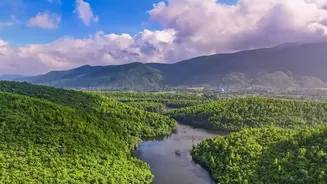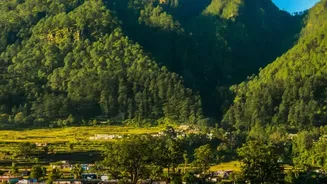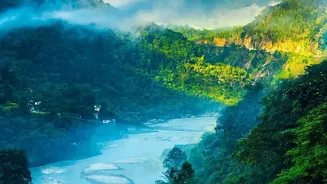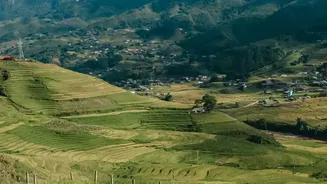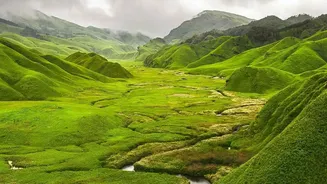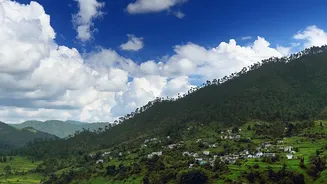





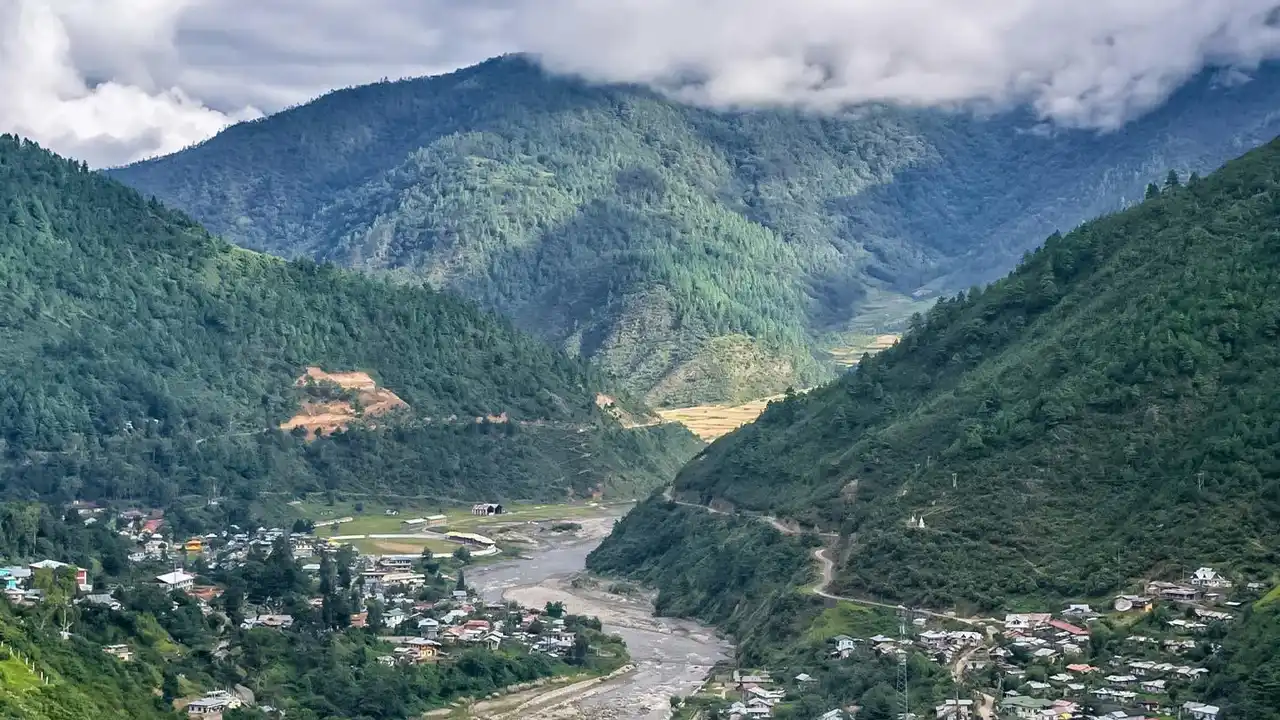

Tucked away in the Eastern Himalayas, Ziro Valley is a portrait of tranquillity. Here, mist-laden mornings reveal a stunning canvas of emerald rice paddies nestled against hillsides cloaked in fragrant pine trees, creating a scene of rare beauty.
A Landscape of Harmony
Ziro
Valley, located in Arunachal Pradesh's Lower Subansiri district, is not your typical mountain destination. Instead of jagged, snow-capped peaks, it offers a gentle, rolling plateau at an altitude of about 1,500 metres. This landscape is defined by the unique interplay between human ingenuity and nature. The valley floor is a mesmerising patchwork of wet rice fields, meticulously carved and maintained over centuries. These fields are encircled by lush pine and bamboo groves that climb the surrounding hills, creating a stunning visual contrast. It’s a place where the air smells of pine and damp earth, and the scenery shifts from the vibrant green of young rice shoots to the shimmering gold of harvest season. This harmonious landscape is so culturally and ecologically significant that it is on the tentative list for UNESCO World Heritage Site status.
The Apatani: Guardians of a Sustainable Legacy
The soul of Ziro Valley is its people, the Apatani tribe. For generations, they have been the custodians of this land, developing one of the most sophisticated and sustainable agricultural systems in the world. Unlike many neighbouring tribes who practice shifting cultivation, the Apatani have perfected a sedentary system of farming without the use of machinery or farm animals. This deep-rooted connection to the land is woven into every aspect of their culture, from their traditional bamboo houses built on stilts to their vibrant festivals like Myoko and Dree. A visit to Apatani villages like Hong and Hari offers a glimpse into a way of life that remains deeply connected to nature and community traditions.
An Ingenious Agricultural System
At the heart of the Apatani way of life is their unique paddy-cum-pisciculture system. This ingenious method, known locally as Aji-Nii, combines rice cultivation with fish farming in the same field. Intricate irrigation channels, managed by the community, divert water from mountain streams to flood the terraced fields. In these nutrient-rich waters, farmers raise fish alongside their rice crops. The earthen bunds that separate the paddies are used to grow millet, meaning a single plot of land yields three different crops. This highly efficient system, which uses no chemical fertilisers, is a testament to the tribe's profound ecological wisdom and has been recognised globally for its sustainability.
More Than Just Fields: Music and Culture
While the landscape is the main draw, Ziro has gained international fame for another reason: the Ziro Festival of Music. Held annually in September, this four-day outdoor festival transforms the valley into a vibrant hub for independent music from across India and the world. Set against the stunning backdrop of rice fields, the festival is known for its eco-friendly ethos, with stages and infrastructure built from local bamboo. It attracts a diverse crowd of music lovers who camp under the stars, enjoy local cuisine, and immerse themselves in the valley’s magical atmosphere. The festival offers a modern counterpoint to the ancient traditions of the Apatani, blending contemporary culture with timeless heritage.
Planning Your Visit
The best time to witness Ziro's beauty depends on what you want to experience. The months from March to May see the valley come alive with fresh greenery as the fields are prepared for planting. For the most lush, vibrant green landscapes, visit from June to August, but be prepared for monsoon rains. September offers a unique combination of golden, ready-to-harvest fields and the energy of the Ziro Music Festival. October and November provide clear skies and pleasant weather, perfect for walking and photography post-harvest. Reaching Ziro requires some planning, typically involving a flight to an airport in Assam or near Itanagar, followed by a scenic road journey. All visitors to Arunachal Pradesh require a permit, so be sure to arrange your Inner Line Permit (for Indian citizens) or Protected Area Permit (for foreign nationals) in advance.